
Grocery Shopping Habits That Support Better Nutrition

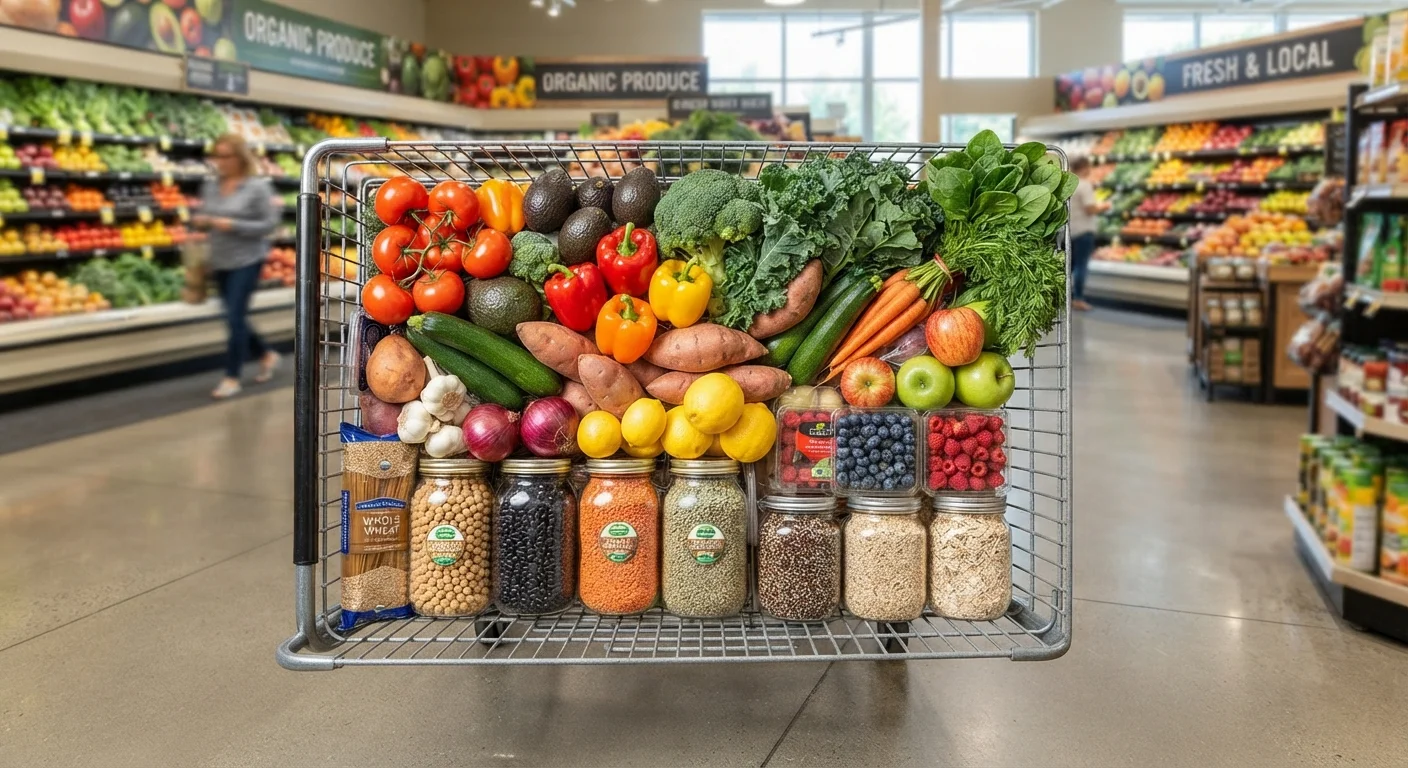
Photo: InsightsVilla.com | Quick Search. Right Info editorial
Key Takeaways
- Shopping with a list reduces impulse purchases and helps maintain a more nutritious cart.
- Store layout is designed to influence purchases - knowing this helps you navigate more intentionally.
- Reading nutrition labels takes practice but provides meaningful insight into what you're buying.
- Filling most of your cart with minimally processed foods supports overall diet quality.
- Budget-conscious strategies and nutritious eating are not mutually exclusive.
Why Shopping Habits Matter for Nutrition
What ends up on your plate is largely decided before you cook a single meal - it's decided at the store. Research in behavioral nutrition consistently shows that the foods people keep at home are the foods they eat most often. That means the grocery run is one of the highest-leverage moments in your weekly eating pattern.
Yet most shopping is done reactively: hungry, distracted, and without a clear plan. Supermarkets are also deliberately designed to encourage unplanned purchases, placing high-margin, heavily processed products at eye level and near checkout lanes. Understanding these dynamics doesn't require a nutrition degree - it just requires a little awareness.
This checklist is for anyone who wants to audit their current shopping habits and make incremental improvements. It's not a rigid protocol; think of it as a framework you can adapt. For a deeper look at food myths that might be shaping your choices, see our piece on popular nutrition myths that keep circulating online.
Before You Go
Building a Nutritious Cart
Reading Labels and Making Informed Choices
Post-Shop Habits That Lock In Progress
Before You Shop: Planning and Preparation
The most impactful nutrition decisions happen before you ever enter the store. A few minutes of planning can meaningfully shift what lands in your cart.
If cost is a concern alongside quality, the strategies in our guide on eating well on a tight budget pair well with this checklist. And if you're curious about shifting your diet toward more plant foods, plant-based eating for curious omnivores offers a gradual starting framework.
Weekly meal plan template
Mapping meals in advance helps generate a focused shopping list and reduces last-minute, less nutritious choices.
Grocery list app or paper list
A written or digital list keeps you on track in the store and reduces susceptibility to impulse purchases.
Pantry inventory notes
Knowing what you already have prevents over-buying and helps you use existing staples before they expire.
Nutrition facts reference guide
A basic reference for interpreting nutrition labels helps you make more confident comparisons between products.
Navigating the Store Intentionally
Most grocery stores follow a similar layout: produce and fresh items along the perimeter, processed and packaged goods filling the center aisles. While this isn't a universal rule, it's a useful mental model. Shopping the perimeter first tends to fill your cart with fresher, less processed options before you reach the inner aisles.
When you do venture into center aisles for staples like whole grains, canned legumes, or frozen vegetables, practicing label literacy pays off. The ingredients list - not just the front-of-pack marketing - tells you what a product actually contains. Ingredients are listed in descending order by weight, so what appears first is present in the largest amount.
Fiber is one nutrient worth paying particular attention to; most Americans fall well short of recommended intakes. Our article on fiber and why most Americans aren't getting enough explains why it matters and how to spot it on a label. For a closer look at grain choices, whole grains vs. refined grains breaks down what processing actually changes nutritionally.
Front-of-Pack Claims Can Be Misleading
A Note on Flexibility and Individual Needs
No single shopping template works for every household. Nutritional needs shift with age, health status, activity level, and life stage - something our overview of nutrition across every stage of life explores in depth. Households with young children, older adults, or members managing chronic conditions should consult a registered dietitian or healthcare provider for guidance tailored to their specific circumstances.
The habits in this checklist are grounded in broadly applicable, evidence-based principles - not prescriptions. Use them as a starting point, not a rigid rulebook.
Individual Nutritional Needs Vary Significantly
This article is for general informational and educational purposes only and is not a substitute for professional medical or nutritional advice. Consult a qualified healthcare provider or registered dietitian for guidance specific to your health needs.
The content on this site is for informational purposes only and is not a substitute for professional advice. Always consult a qualified professional for guidance specific to your situation.