
Nutrition & Diet

Eating Well on a Tight Budget: Strategies That Hold Up

Eating Well on a Tight Budget: Strategies That Hold Up

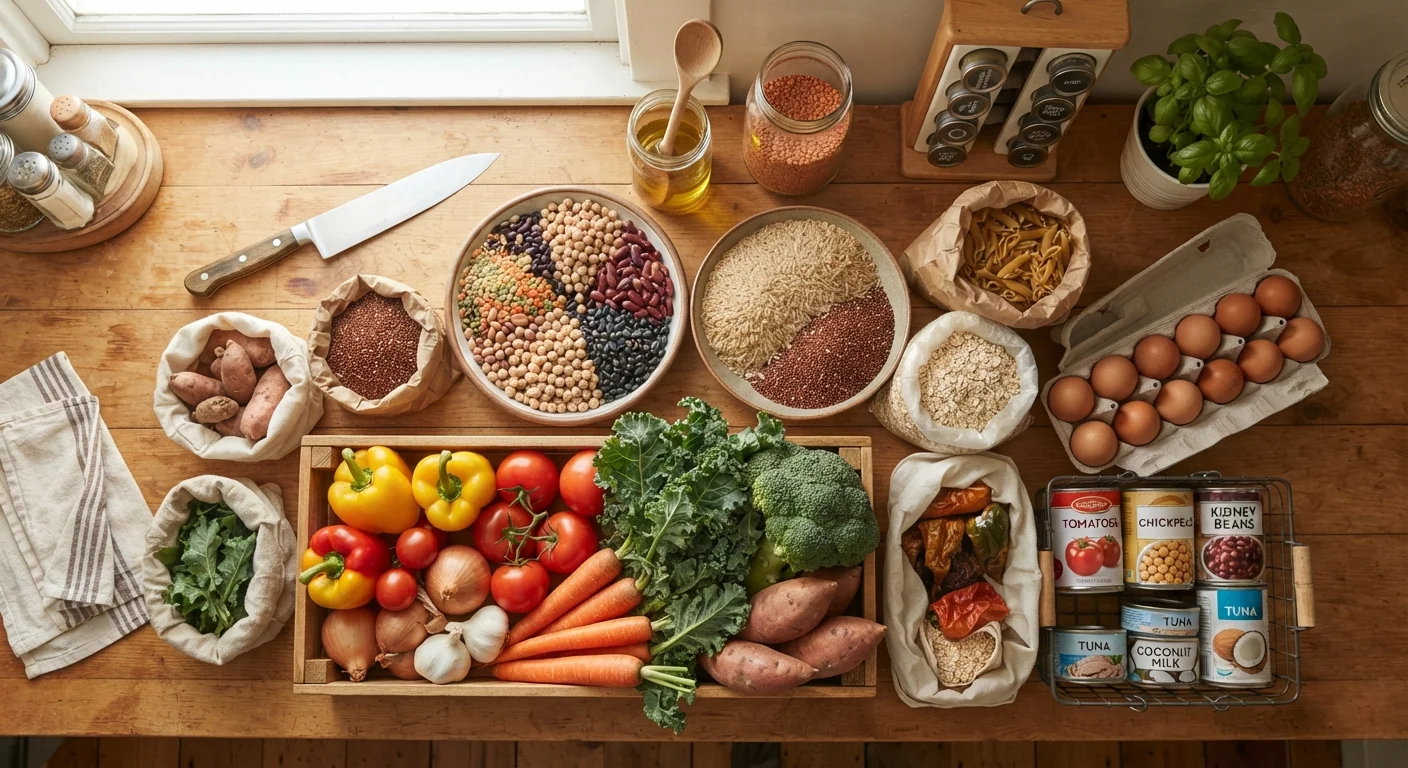
Photo: InsightsVilla.com | Quick Search. Right Info editorial

Nutritious eating doesn't require expensive groceries. These practical approaches help stretch food dollars without sacrificing quality.

Key Takeaways

  • Whole foods like beans, lentils, oats, and eggs offer strong nutrition at low cost per serving.
  • Planning meals around sales and store brands can significantly reduce weekly grocery spending.
  • Frozen and canned produce are nutritionally comparable to fresh and often cheaper.
  • Cooking in batches reduces food waste and saves both time and money throughout the week.
  • Building a reliable pantry of staples makes nutritious last-minute meals far more achievable.

Why Budget Eating Has a Bad Reputation — and Why It's Undeserved

Many people assume eating well costs more. That belief is understandable — premium health foods and specialty grocery stores can be genuinely expensive. But the core components of a nutritious diet — vegetables, legumes, whole grains, eggs, and some animal protein — are among the most affordable foods in any grocery store.

The gap between what people spend and what they need to spend is often a matter of strategy, not income. Understanding which foods offer the best nutrition per dollar, and building simple habits around shopping and cooking, can make a real difference without requiring culinary expertise or hours in the kitchen.

It's also worth noting that common misconceptions about budgeting apply here too — the assumption that eating well requires elaborate planning or sacrifice often keeps people from starting at all.

Best Practices for Nutritious, Budget-Friendly Eating

The following approaches are grounded in nutrition research and practical home cooking experience. They work across different household sizes, cooking skill levels, and regional food access situations.

1

Build meals around plant-based proteins as a primary protein source.

Dried beans, lentils, chickpeas, and split peas typically cost a fraction of meat per serving while providing substantial protein, fiber, and micronutrients. Substituting even a few meals per week can meaningfully lower grocery costs. These foods also have long shelf lives, reducing waste.
Example: A pot of lentil soup made with dried lentils, canned tomatoes, onion, and spices can feed a family of four for roughly the cost of a single fast-food meal.
2

Choose frozen and canned produce without hesitation.

Frozen vegetables are picked and frozen at peak ripeness, preserving most of their nutritional content — often comparable to fresh. Canned vegetables and legumes are similarly convenient and durable. Choosing these over fresh when produce prices are high is a practical, nutrition-sound decision.
Example: Frozen spinach, peas, and broccoli cost significantly less than fresh equivalents and work equally well in soups, stir-fries, and casseroles.
3

Plan meals before shopping and build your list around what's on sale.

Unplanned shopping is one of the primary drivers of food waste and overspending. Checking weekly store circulars before planning the week's meals allows you to anchor your menu to what's already discounted. This habit also reduces impulse purchases. Consistent, evidence-based grocery shopping habits have a compounding effect over time.
Example: If chicken thighs are on sale, plan two meals around them that week — one roasted for dinner, the leftovers shredded for tacos or grain bowls.
4

Cook in larger batches and use your freezer strategically.

Batch cooking — preparing larger quantities of grains, soups, or proteins at once — reduces the per-meal time and energy cost of cooking at home. The freezer extends the life of cooked food and prevents waste from forgotten ingredients. Understanding what freezes well and what doesn't helps avoid disappointing results.
Example: Cooking a double batch of brown rice or a large pot of chili on the weekend gives you ready-made components for multiple meals throughout the week.
5

Choose store-brand and generic products for staples.

Store-brand versions of pantry staples — oats, canned goods, flour, oil, pasta — are typically produced by the same manufacturers as name brands and meet the same food-safety and quality standards. The price difference is often 20–40%, with no nutritional trade-off.
Example: Swapping name-brand canned tomatoes, olive oil, and dried pasta for store-brand equivalents in a pasta dish saves money without any detectable change in quality.

For readers building out a kitchen foundation, our guide to pantry staples that make cooking easier is a natural complement to these strategies.

Quick Wins You Can Act On This Week

You don't need to overhaul your entire grocery routine at once. A few targeted changes can lower costs and improve nutrition simultaneously.

high Swap meat for dried or canned legumes in one meal this week — lentil soup, bean tacos, or chickpea curry are practical starting points.
high Check your store's weekly circular before writing your grocery list and build at least two meals around whatever protein or produce is discounted.
medium Replace fresh produce you're likely to waste with frozen alternatives — frozen peas, spinach, and mixed vegetables keep for months and cook in minutes.
medium Cook a double portion of grains or beans the next time you make them and refrigerate the extras for use in meals over the following three days.

Once quick wins become habits, the next step is building a light meal-prep system. A realistic weeknight meal prep framework can help households stay ahead without spending an entire Sunday in the kitchen.

This article is for general informational and educational purposes only. It is not a substitute for personalized dietary advice from a qualified healthcare provider or registered dietitian. Individuals with specific health conditions, dietary restrictions, or nutritional needs should consult a professional before making significant changes to their diet.

Health & Wellness Editorial Team

InsightsVilla.com | Quick Search. Right Info

Health & Wellness Editorial Team is the collective byline for our editorial team and contributor network. Articles published under this byline or an editorial pen name are researched, written, and reviewed according to our editorial standards for clarity, consistency, and independence before publication.

Nutrition & DietFitness & MovementMental Well-Being
View author profile

The content on this site is for informational purposes only and is not a substitute for professional advice. Always consult a qualified professional for guidance specific to your situation.