
Popular Nutrition Myths That Keep Circulating Online

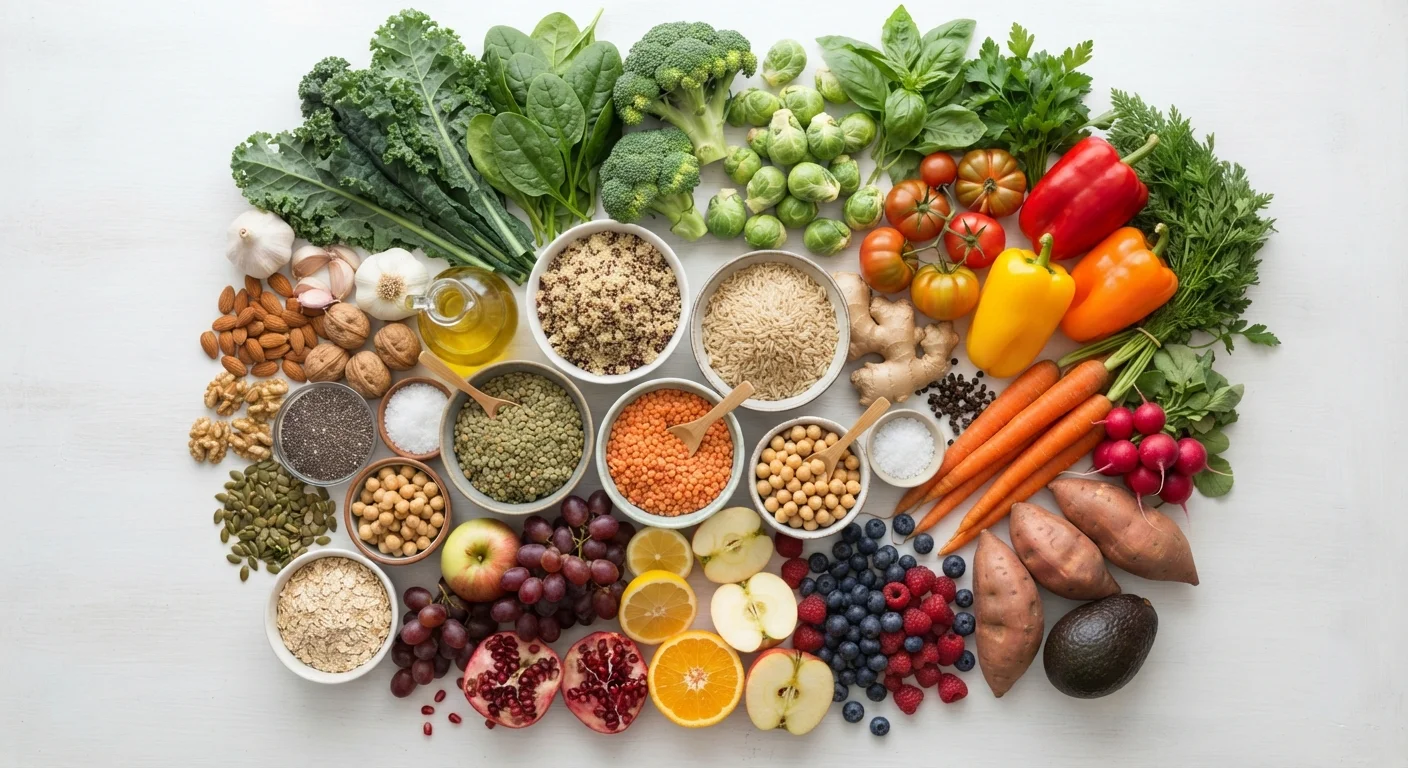
Photo: InsightsVilla.com | Quick Search. Right Info editorial
Key Takeaways
- Carbohydrates are not inherently fattening; total calorie balance and food quality matter more.
- Your liver and kidneys handle detoxification continuously - no juice cleanse can improve on that.
- Eating fat does not directly cause body fat gain; dietary fat is essential for many bodily functions.
- Skipping meals does not reliably boost metabolism or lead to lasting weight loss for most people.
- Natural and organic labels do not automatically mean a food is nutritionally superior or safe in unlimited amounts.
- Nutrition headlines often misrepresent study findings - understanding research basics helps readers evaluate claims.
Why Nutrition Myths Are So Hard to Kill
Few topics generate as much confident misinformation as nutrition. Social media platforms reward bold, simple claims - "this one food causes cancer" or "cut carbs to lose weight fast" - even when the underlying evidence is thin, mixed, or flatly contradicted by consensus science. Add to that the genuine complexity of nutrition research (explored in depth at why nutrition science gets complicated), and it's easy to see why myths propagate faster than corrections.
The myths below are among the most persistent ones circulating online. Each one contains a kernel of something plausible - which is exactly what makes them stick. Understanding why they're wrong can help you make more informed choices without falling into the next viral food scare.
Myth
Carbs make you fat, so cutting them out is the fastest path to weight loss.
Fact
Carbohydrates are not inherently fattening; excess calories from any source contribute to weight gain.
Carbohydrates are the body's preferred fuel source, particularly for the brain and during physical activity. Weight gain occurs when total energy intake consistently exceeds expenditure - not because a specific macronutrient is uniquely responsible. Low-carbohydrate diets can produce initial weight loss, partly because restricting carbs reduces glycogen stores (which hold water), leading to rapid water weight loss. Long-term outcomes in research tend to converge: what matters most is overall dietary quality and sustainability, not carb elimination. Whole-food carbohydrate sources - legumes, whole grains, vegetables, and fruit - also provide fiber, vitamins, and minerals that matter for long-term health.
Myth
Detox cleanses and juice fasts flush toxins from your body and 'reset' your gut.
Fact
The liver and kidneys continuously filter waste products from the blood; no commercial cleanse improves on this process.
The term "detox" as used in marketing is not a recognized medical or physiological process. Your body's detoxification system - centered on the liver, kidneys, lungs, and skin - operates constantly and does not require periodic flushing with special beverages. No credible clinical evidence supports the claim that juice cleanses remove toxins, improve organ function, or meaningfully alter gut microbiome composition. Short-term cleanses may feel refreshing because they often eliminate alcohol, processed food, and excess sugar - but it's those eliminations, not any special ingredient, doing the work. If you're concerned about how your digestive system is functioning, a registered dietitian or physician is the right resource.
Myth
Eating fat makes you fat - low-fat foods are always the healthier option.
Fact
Dietary fat is essential for hormone production, vitamin absorption, and cell function; low-fat products often compensate with added sugar.
Fat contains roughly nine calories per gram compared to four for carbohydrates and protein, which led to the assumption that eating fat directly causes body fat accumulation. That's an oversimplification. The body requires dietary fat to absorb fat-soluble vitamins (A, D, E, and K), produce hormones, and maintain cell membrane integrity. When food manufacturers removed fat from products in the late twentieth century, they frequently added sugar and refined starches to maintain palatability - a substitution that research has not shown to be a net health benefit. Unsaturated fats found in nuts, seeds, avocados, and fish are associated in research with favorable cardiovascular markers when eaten as part of a varied diet.
Myth
Skipping breakfast speeds up your metabolism and is a proven weight-loss strategy.
Fact
Meal timing effects on metabolism are modest; skipping breakfast has not been shown to reliably produce weight loss for most people.
The idea that breakfast "jumpstarts" metabolism has been popular for decades, but the evidence for a significant metabolic boost is weak. Equally, the claim that skipping breakfast reliably causes weight loss is not well supported by randomized controlled trials. Individual responses to meal timing vary considerably, influenced by factors including activity level, sleep patterns, and appetite hormones. Some people function well without breakfast; others experience increased hunger and make less favorable food choices later in the day. Intermittent fasting patterns - which sometimes involve skipping breakfast - are the subject of ongoing research, though long-term outcomes remain an active area of study. See what the research says about intermittent fasting for a more detailed look.
Myth
Natural and organic foods are always nutritionally superior and safe in any quantity.
Fact
Natural and organic labels describe production methods, not nutritional density or unlimited safety.
"Natural" has no standardized regulatory definition in US food labeling, and "organic" refers primarily to how crops are grown or animals are raised - not to nutrient content. An organic cookie is still a cookie; organic cane sugar has the same metabolic effect as conventional sugar. Meanwhile, many naturally occurring compounds - including certain plant toxins and high-dose herbal supplements - can cause harm at sufficient quantities. The appeal-to-nature framing, in which "natural" is equated with "good" and "synthetic" with "bad," does not hold up under scrutiny. Nutritional value is determined by the composition of a food, not its production method or label.
What the Evidence Actually Supports
Cutting through nutrition noise doesn't require a biochemistry degree. A few durable principles hold up across decades of research: eat a wide variety of minimally processed foods, prioritize vegetables, legumes, whole grains, and lean proteins, and treat highly processed foods as occasional rather than staple choices. For practical guidance on putting this into practice, see building a balanced plate without following a specific diet.
95%
Americans falling short of fiber intake recommendations
Dietary guidelines data consistently show that the vast majority of US adults consume well below the recommended daily fiber intake.
~70%
Share of US calories from ultra-processed foods
Research published in nutrition journals estimates that ultra-processed products account for a substantial majority of calories in the average American diet.
4 in 10
Adults who report changing eating habits based on online health claims
Survey data from health communication researchers suggest a large share of adults modify their diets in response to social media nutrition content.
Dietary fat is a useful illustration of how myths evolve. The low-fat diet craze of the 1980s and 1990s replaced fat with refined carbohydrates in many packaged foods - an exchange that research later showed was not a net benefit for most people. Both dietary fat and carbohydrates are macronutrients with essential roles in the body. The macronutrients explained goes deeper on what each one actually does. Similarly, fiber - chronically under-consumed by most Americans - plays roles in metabolic and gut health that go well beyond digestion. See fiber: the nutrient most Americans aren't getting enough of for a fuller picture.
Online Nutrition Advice Is Not Personalized Care
Good nutrition information is out there - but it requires a more skeptical eye than most headlines encourage. If a claim sounds revolutionary, promises rapid results, or singles out one food as a cure or poison, that's a signal to pause and look for broader evidence before changing what's on your plate.
This article is for general informational and educational purposes only and is not a substitute for professional medical or dietary advice. Consult a qualified healthcare provider or registered dietitian for guidance tailored to your individual health needs.
The content on this site is for informational purposes only and is not a substitute for professional advice. Always consult a qualified professional for guidance specific to your situation.