
Brake Pads, Rotors, and Calipers: Understanding What Actually Stops Your Car

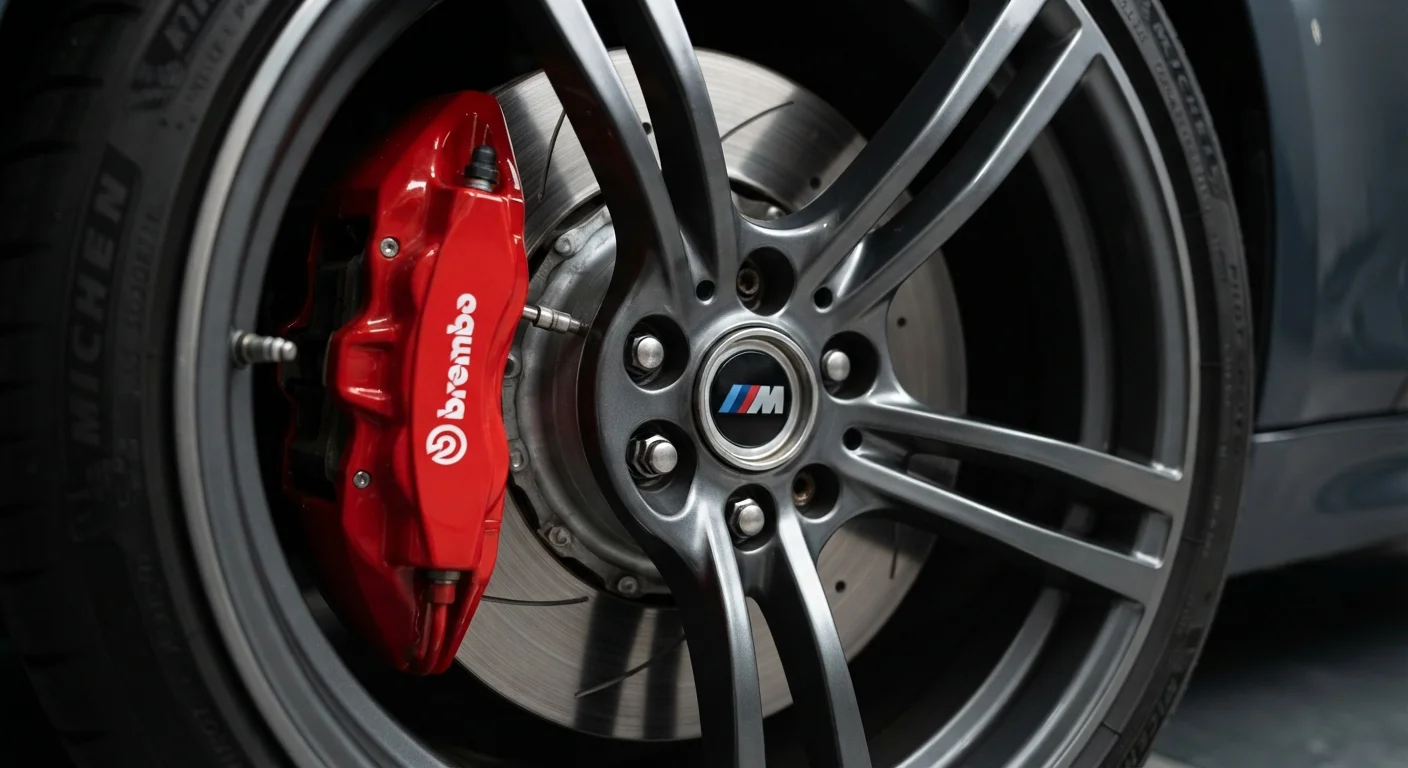
Photo: InsightsVilla.com | Quick Search. Right Info editorial
Key Takeaways
- Brake pads, rotors, and calipers all work together - a problem with one affects the others.
- Squealing or grinding noises, vibration during braking, and a soft pedal are the three most common warning signs.
- Most brake pads need replacement every 25,000-70,000 miles depending on driving habits and pad material.
- Rotors can sometimes be resurfaced rather than replaced, but only if they meet minimum thickness specs.
- Brake fluid is part of the system - low or degraded fluid reduces stopping power and should not be overlooked.
- When in doubt, have a qualified mechanic inspect the system - brake failure is a serious safety risk.
The Three Components That Actually Stop Your Car
Every time you press the brake pedal, three mechanical components work in sequence to slow and stop your vehicle: the brake pad, the rotor, and the caliper. Understanding what each one does - and how they interact - makes you a better-informed driver and helps you catch problems before they become expensive.
Brake pads are flat pieces of friction material bonded to a metal backing plate. They're the consumable part of the system, designed to wear down gradually over time. The friction material is typically made from organic compounds, semi-metallic blends, or ceramic composites, each with different trade-offs in heat tolerance, noise, and wear rate.
Rotors (also called brake discs) are the large, circular metal plates that spin with your wheels. When you brake, the pads clamp against the rotor's flat surface, converting kinetic energy into heat through friction. That heat dissipates into the air, slowing the rotor - and the wheel attached to it.
Calipers are the hydraulic clamps that do the squeezing. When you press the brake pedal, hydraulic pressure - transmitted through brake fluid - forces pistons inside the caliper outward, pushing the pads firmly against both sides of the rotor. Release the pedal and the pressure drops, allowing the pads to retract slightly.
Front vs. Rear Brakes: Not Equal Partners
Warning Signs You Shouldn't Ignore
Your braking system is designed to alert you before a failure becomes dangerous. Learning to recognize these signals can prevent a minor service from turning into a major repair.
- Squealing or squeaking: A high-pitched sound when braking almost always means the wear indicator - a small metal tab built into the pad - is touching the rotor. It's telling you the pad material is nearly exhausted.
- Grinding: Metal-on-metal contact. The pads are gone and the caliper bracket or backing plate is now contacting the rotor directly. Immediate service is required - this damages rotors rapidly and compromises stopping ability.
- Vibration or pulsation through the pedal: Usually points to warped or uneven rotors. The caliper detects thickness variation as it clamps, sending a rhythmic pulse back through the pedal.
- Pulling to one side: If the vehicle drifts left or right during braking, a caliper may be sticking or a pad may be wearing unevenly.
- Soft or spongy pedal: A pedal that sinks more than usual before resistance builds suggests air in the brake lines or a hydraulic leak - both serious conditions requiring prompt inspection.
Brake fluid plays a supporting but critical role. Low or moisture-contaminated fluid reduces hydraulic pressure and lowers the boiling point of the system under hard use. For a full picture of fluid-related maintenance, see our guide on brake and other car fluids.
Check Your Brakes During Tire Rotations
How Long Should Brake Components Last?
Lifespan varies considerably based on driving style, vehicle weight, and the type of roads you use most. City driving - with frequent stop-and-go - wears pads far faster than highway commuting.
25,000-70,000 mi
Typical brake pad lifespan
The range reflects differences in driving style, pad compound, and vehicle weight - city drivers tend toward the lower end.
~70%
Stopping force handled by front brakes
Weight transfer during braking shifts load forward, making front brake components wear faster than rear ones.
2-3 years
Recommended brake fluid change interval
Brake fluid absorbs moisture over time, lowering its boiling point and reducing hydraulic performance in the system.
Rotors typically outlast two or three sets of pads, but this depends on how aggressively the vehicle is driven and whether low-quality pads allowed metal-to-metal contact to occur. When rotors are resurfaced or replaced, the caliper should be inspected at the same time. A sticking caliper keeps pressure on the rotor even when you're not braking, accelerating wear on everything downstream.
During any routine inspection, a technician will measure rotor thickness with a micrometer and check pad depth visually or with a gauge. Understanding what they're looking for can help you have more informed conversations about what actually needs to be done. For a broader look at what gets checked during a service visit, see what a mechanic looks for during a routine inspection.
This article is for general informational purposes only. Brake system repairs involve safety-critical components - always consult a qualified mechanic for diagnosis and service specific to your vehicle.
Frequently Asked Questions
The content on this site is for informational purposes only and is not a substitute for professional advice. Always consult a qualified professional for guidance specific to your situation.