
Car Ownership from Day One: A Maintenance Primer for New Drivers

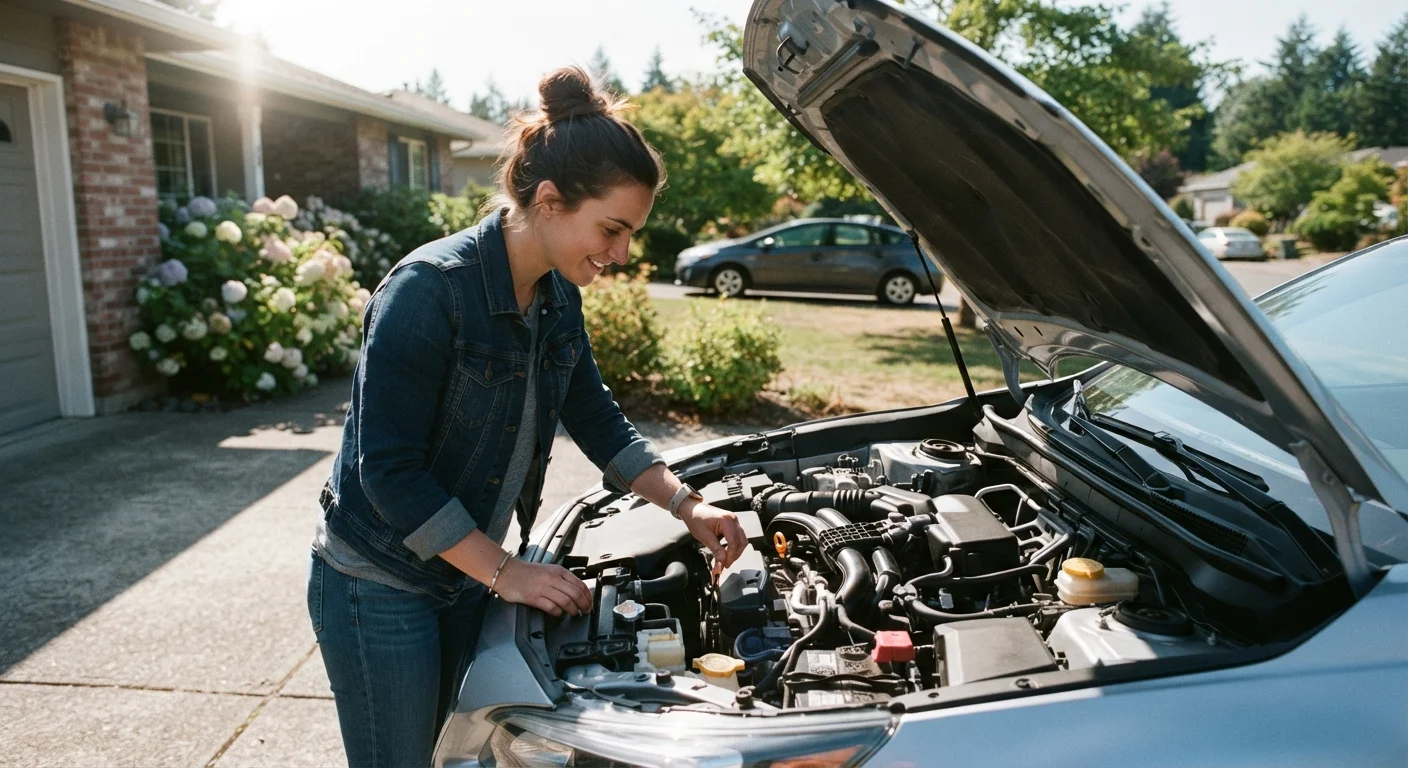
Photo: InsightsVilla.com | Quick Search. Right Info editorial
Key Takeaways
- Your owner's manual contains a factory-tailored maintenance schedule - use it as your primary reference.
- Checking fluids, tires, and lights regularly catches small problems before they become expensive repairs.
- Oil changes, tire rotations, and brake inspections are the three highest-impact routine services for most drivers.
- Warning lights and unusual sounds should never be ignored - early attention almost always costs less.
- Good driving habits directly reduce wear on your vehicle's most expensive components.
Why Maintenance Matters from the Start
Owning a car is one of the bigger financial commitments most Americans make, and how you care for it from the beginning has a direct impact on what you spend - and what you keep - over time. Vehicles that receive consistent, timely maintenance are more reliable, safer to drive, and tend to hold more of their value. Those that are neglected accumulate problems quietly until a breakdown or major failure makes the cost impossible to ignore.
For new drivers especially, building good habits early is far easier than correcting deferred maintenance later. The good news: you don't need to be a mechanic to take care of your car. You need to know what to check, when to check it, and when to hand the job to a professional. This guide covers exactly that. For a broader look at ownership costs, see how to keep car ownership costs manageable over time.
Your Owner's Manual Is the Real Starting Point
Most new drivers never open it, but your owner's manual is the single most useful document that came with your car. Inside is a maintenance schedule built specifically for your vehicle's engine, transmission, and components - not a generic recommendation, but one developed by the engineers who designed that car.
The manual tells you when to change the oil, rotate the tires, replace the cabin and engine air filters, inspect the brakes, and service the transmission. It also distinguishes between normal and severe driving conditions - important if you frequently drive in stop-and-go traffic, extreme heat or cold, or haul heavy loads. Reading your owner's manual walks you through how to find and actually apply that schedule.
Owner's manual
The booklet provided with your vehicle that contains manufacturer instructions, specifications, and a maintenance schedule tailored to that specific model.
Tire rotation
Moving tires from one wheel position to another (front to rear, for example) so they wear down evenly and last longer.
Coolant
A liquid that circulates through your engine to regulate its temperature and prevent overheating. Also called antifreeze.
Severe use schedule
A more frequent maintenance interval recommended for vehicles regularly driven in demanding conditions such as extreme temperatures, heavy traffic, towing, or off-road use.
Dipstick
A long metal rod inserted into the engine that you pull out to check the level and condition of the engine oil.
If you bought a used vehicle and the manual is missing, many manufacturers provide digital versions on their websites, or a dealer can supply a copy. Don't guess at intervals - the manufacturer's specification is always the right baseline.
The Core Systems Every Driver Should Monitor
You don't need to understand every part of your car's engine to keep it healthy. Focusing on a handful of key systems covers the vast majority of what goes wrong when maintenance is skipped.
- Engine oil: Oil lubricates moving parts and prevents costly engine damage. Check the level monthly using the dipstick and change it according to your manual's schedule.
- Tires: Inspect pressure monthly (including the spare) and look for uneven wear or visible damage. Properly inflated tires improve safety and fuel efficiency. Rotate them as recommended to ensure even wear.
- Brakes: Listen for squealing or grinding sounds, and pay attention to any pulsing in the brake pedal. Have brakes inspected annually or whenever you notice a change in stopping behavior.
- Coolant: Keeps your engine from overheating. Check the reservoir level when the engine is cold and top off only with the correct type specified in your manual.
- Lights and wipers: Walk around your car periodically to confirm all exterior lights work. Replace wiper blades when they streak or skip - typically once a year.
For a season-by-season look at what to inspect, the seasonal car maintenance checklist is a practical reference to keep handy.
Check Tire Pressure When Tires Are Cold
Building a Simple Maintenance Routine
Consistency matters more than perfection. The easiest way to stay on track is to tie maintenance checks to events you already do - like fueling up, changing the clocks for daylight saving time, or the start of each new season.
Keep a simple log - a notes app or even a paper folder in your glove box - recording every service: what was done, the date, and the mileage. This log protects you if a warranty question arises and helps you see at a glance what's due next. It also adds value if you ever sell the vehicle, since documented maintenance history is meaningful to buyers.
Be aware that some common maintenance beliefs don't hold up under scrutiny. For example, the old advice to change oil every 3,000 miles is outdated for most modern vehicles. The car maintenance myths costing American drivers money article fact-checks the most widespread misconceptions so you're not spending money unnecessarily.
Your driving habits also play a direct role in how quickly your car wears out. Hard braking and aggressive acceleration put extra stress on brakes, tires, and the drivetrain. Habits that quietly wear out your car faster covers what to watch for behind the wheel.
Knowing When to Call a Professional
Some maintenance tasks are genuinely within reach for a motivated driver - checking fluid levels, swapping wiper blades, replacing a cabin air filter. Others carry real safety stakes or require specialized tools, and those belong with a qualified mechanic. Brake system work, suspension repairs, engine diagnostics, and anything involving the fuel or electrical system fall firmly in the professional category.
If a dashboard warning light appears, don't ignore it or cover it with tape. Have it diagnosed promptly - many auto parts stores will read basic diagnostic codes for free, but a licensed technician is needed to properly interpret results and recommend repairs. Similarly, any new noise - grinding, knocking, squealing - that persists for more than a trip or two deserves professional attention.
For a clear breakdown of which jobs most drivers can handle at home and which ones genuinely require a shop, see DIY car maintenance vs. taking it to a shop. And if you want to understand exactly what a technician examines during a routine visit, what a mechanic looks for during a routine inspection offers a clear inside look.
Never Ignore a Flashing Warning Light
Frequently Asked Questions
The content on this site is for informational purposes only and is not a substitute for professional advice. Always consult a qualified professional for guidance specific to your situation.