
Car Fluids and What Happens When You Neglect Them

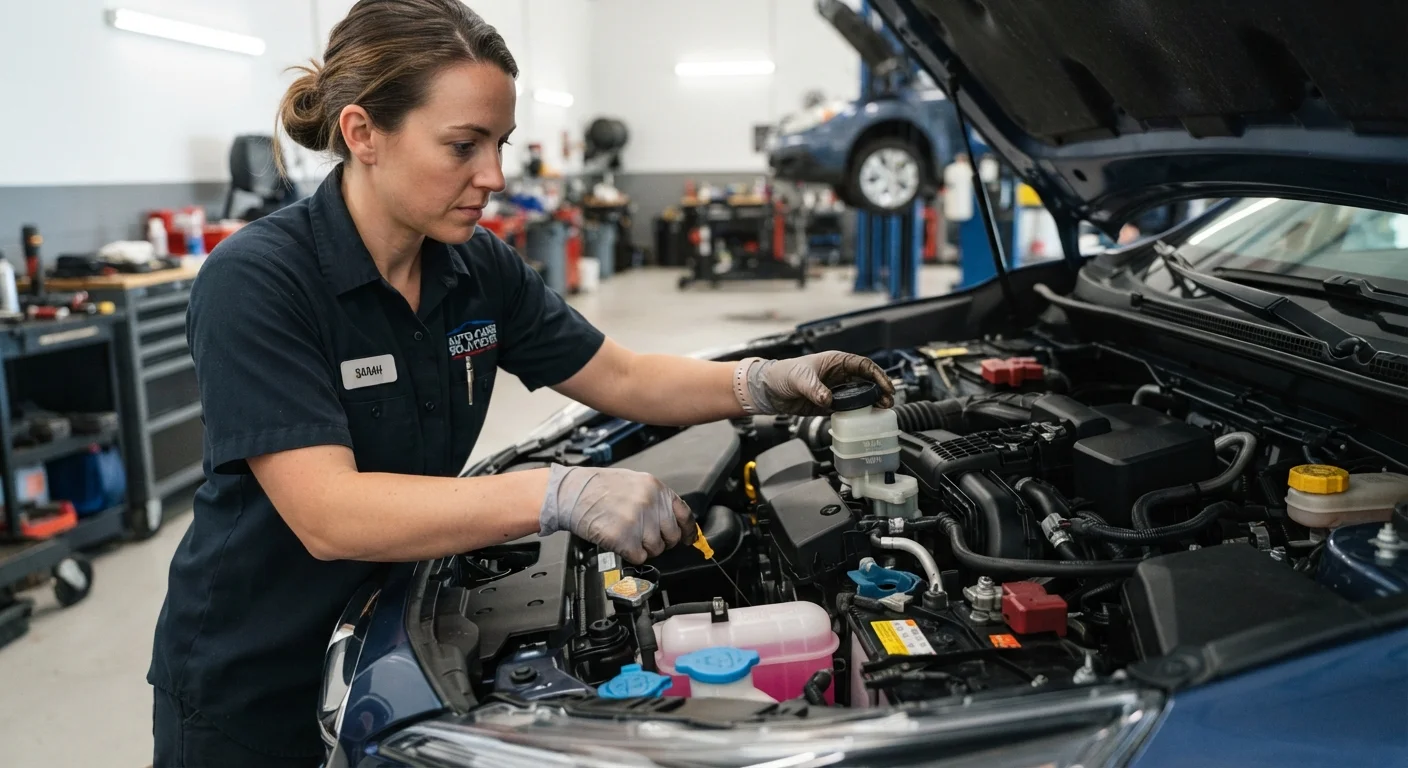
Photo: InsightsVilla.com | Quick Search. Right Info editorial
Why Car Fluids Matter More Than Most Drivers Realize
Your car depends on a collection of fluids to keep metal parts from grinding together, temperatures from spiking, and brakes from failing. Unlike a worn wiper blade or a burnt-out interior light, low or degraded fluid rarely announces itself with an obvious symptom - until the damage is already done. Understanding what each fluid does, and what neglecting it costs, is one of the most practical things a driver can do. It's also a cornerstone of keeping car ownership costs manageable over time.
| Number of essential fluids | 6 in most vehicles |
| Engine oil check frequency | Monthly or per owner's manual |
| Brake fluid moisture absorption | Can begin within 1-2 years of use (General industry guidance) |
| Cost of seized engine repair | Often $3,000-$10,000+ (General repair industry estimates) |
| Coolant appearance warning sign | Milky color may indicate head gasket leak |
| DIY-friendly checks | Level checks for most fluids; flushes require a mechanic |
The Six Essential Fluids and What Goes Wrong Without Them
Most passenger vehicles rely on six primary fluids. Here's what each one does and the real-world consequences of running low or skipping changes:
- Engine Oil
- Oil lubricates moving engine components, carries heat away from critical parts, and suspends contaminants so they can be filtered out. Without adequate, clean oil, metal components grind against each other, generating excessive heat. The result can range from accelerated wear to a seized engine - a repair that can cost thousands of dollars. Oil also degrades over time even if you don't drive much, so age matters as well as mileage. For a deeper look at reading oil labels, see what the numbers on oil bottles actually mean.
- Coolant (Antifreeze)
- Coolant circulates through the engine and radiator to regulate operating temperature, preventing both overheating in summer and freeze-up in winter. Low coolant leads to overheating, which can warp cylinder heads - a repair easily surpassing $1,000. Coolant also becomes acidic over time and can corrode internal components if not flushed on schedule.
- Brake Fluid
- Brake fluid transmits the pressure from your foot on the pedal through hydraulic lines to the brake components at each wheel. It absorbs moisture from the air over time, which lowers its boiling point. Overheated, moisture-laden brake fluid can vaporize under hard braking - a condition called vapor lock - resulting in a sudden, dramatic loss of braking ability. This is a direct safety issue. To understand how the broader braking system works, see brake pads, rotors, and calipers explained.
- Transmission Fluid
- Transmission fluid lubricates gears and clutch components while also serving as a hydraulic fluid in automatic transmissions. Dark, burnt-smelling fluid is a sign it's well past due. Neglecting it leads to rough shifting, slipping gears, and eventually full transmission failure - one of the most expensive repairs a car can need.
- Power Steering Fluid
- This fluid enables the hydraulic assist that makes turning your steering wheel effortless. A low or contaminated supply causes whining noises when turning and, eventually, stiff, unresponsive steering. Note: many newer vehicles use electric power steering and don't have this reservoir at all.
- Windshield Washer Fluid
- The only fluid here with no mechanical consequence if it runs out - but an empty reservoir during winter road grime or bug season is a genuine visibility hazard. Never substitute water; it can freeze in lines and nozzles and doesn't clean as effectively.
Electric Vehicles Have Fewer Fluids - But Not Zero
Keep in mind that common maintenance myths - like the idea that you must change oil every 3,000 miles - can lead drivers to either over-service or under-service their vehicles. Always follow your owner's manual for intervals specific to your car.
How to Check Fluids and When to Get a Professional Involved
Most fluids can be visually checked at home with the engine off and parked on level ground. Dipsticks indicate oil and transmission fluid levels; translucent reservoirs let you see coolant, brake fluid, and washer fluid levels against marked min/max lines.
Viscosity
A fluid's resistance to flow. In engine oil, higher viscosity means thicker oil that flows more slowly; the right viscosity for your engine depends on its design and your climate.
Vapor lock
A condition where brake fluid boils and turns to gas inside the brake lines, compressing instead of transmitting pressure. This can cause a sudden, near-total loss of braking force.
Hydraulic system
A mechanical system that uses pressurized fluid to transmit force. Both brakes and power steering rely on hydraulic principles to multiply the force a driver applies.
Coolant flush
A service procedure where old coolant is fully drained from the cooling system, the system is cleaned, and fresh coolant is added. Recommended at intervals specified in the owner's manual.
Dipstick
A long, slender rod inserted into a fluid reservoir - typically engine oil or transmission fluid - used to measure the fluid level and assess its condition by color and texture.
What you're looking for beyond level: color and clarity. Engine oil should be amber to dark brown - black and gritty means it's overdue. Brake fluid should be clear to light yellow; dark brown signals moisture contamination. Coolant is typically bright green, orange, or pink depending on the type - a milky appearance can indicate a head gasket leak and warrants immediate professional inspection.
If a fluid is consistently low despite topping it off, you likely have a leak. Puddles under your parked car, a burning smell while driving, or warning lights on your dashboard are all signals to stop driving and have the vehicle inspected. Your car's warning lights explained can help you identify which system is flagging a problem. For tasks beyond checking levels - such as flushing brake fluid or servicing a transmission - a qualified mechanic should handle the work to ensure it's done safely and correctly.
Fluid neglect is also closely tied to driving habits. Aggressive driving, towing, or frequent short trips all accelerate fluid degradation. See habits that quietly wear out your car faster for a broader picture of everyday behaviors that shorten a vehicle's lifespan.
The content on this site is for informational purposes only and is not a substitute for professional advice. Always consult a qualified professional for guidance specific to your situation.