
Fiber: The Nutrient Most Americans Aren't Getting Enough Of

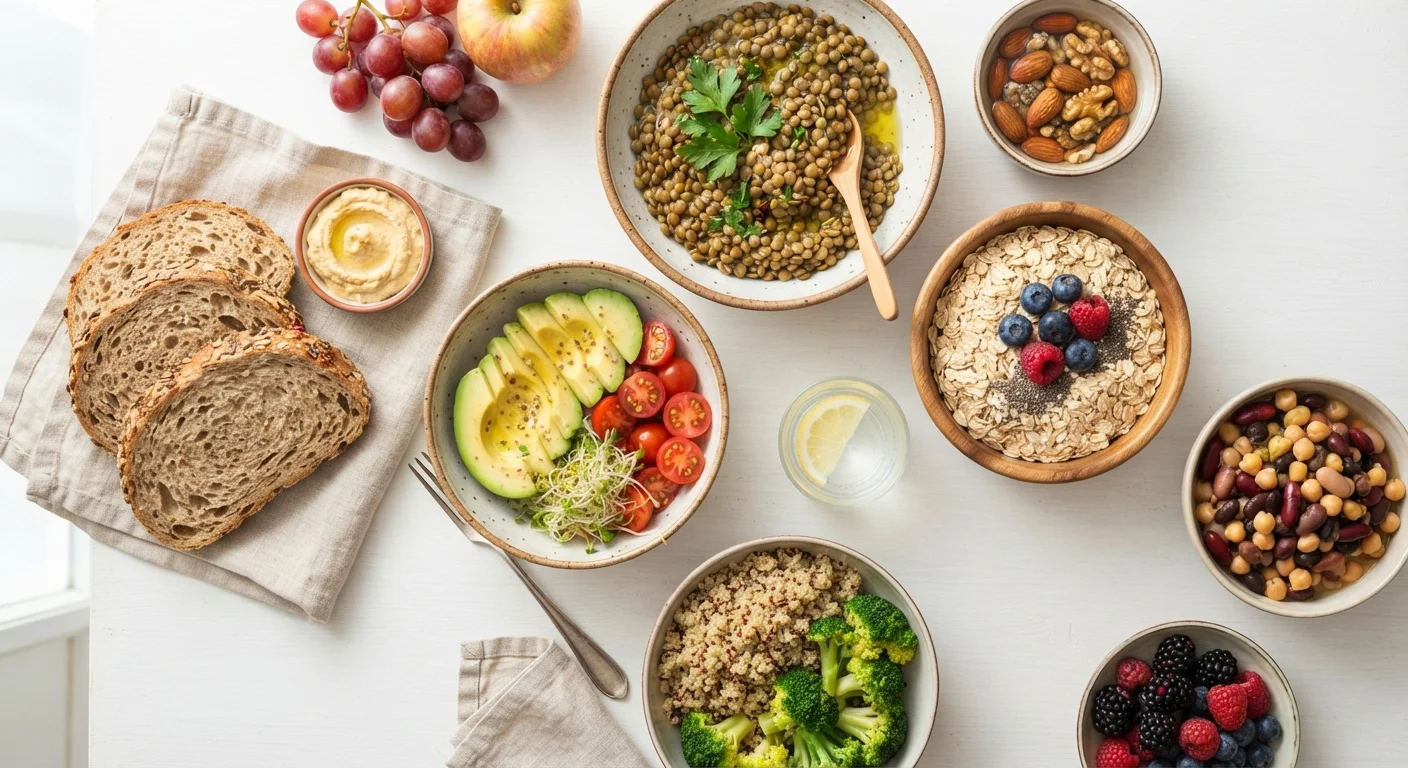
Photo: InsightsVilla.com | Quick Search. Right Info editorial
Key Takeaways
- Most American adults consume roughly half the daily fiber that public health guidelines recommend.
- Fiber supports digestive health, blood sugar regulation, cholesterol levels, and a healthy gut microbiome.
- Both soluble and insoluble fiber matter - whole plant foods deliver a natural mix of both types.
- Gradual increases in fiber intake, paired with adequate hydration, minimize digestive discomfort.
- Whole foods are the most effective and well-studied way to meet daily fiber needs.
Why Fiber Is a Bigger Deal Than You Think
Dietary fiber tends to get filed away under a narrow label - something older adults take for digestive regularity. But the research tells a much broader story. Fiber plays a meaningful role in cardiovascular health, blood sugar regulation, weight management, and the composition of the gut microbiome, which scientists increasingly connect to immune function and systemic inflammation.
The gut microbiome - the vast community of microorganisms living in the large intestine - relies heavily on fermentable fiber as a fuel source. When gut bacteria break down certain types of fiber, they produce short-chain fatty acids that help maintain the intestinal lining and support a balanced immune response. This is an active area of nutrition research, and while much is still being worked out, the consistent signal across studies is that eating more whole plant foods is associated with a more diverse and resilient microbiome.
For an overview of what's established versus still emerging in nutrition science, see our evidence-based corrections to common nutrition claims.
~10-15 g
Average daily fiber intake for US adults
National dietary surveys consistently show Americans consuming well below the 25-38 g daily recommendation from the Dietary Guidelines for Americans.
95%
Americans falling short of fiber recommendations
Research published in the American Journal of Lifestyle Medicine estimated that approximately 95% of Americans do not meet recommended daily fiber intake.
25-38 g
Recommended daily fiber for adults
The Dietary Guidelines for Americans specify roughly 14 g of fiber per 1,000 calories consumed, equating to 25 g for women and 38 g for men.
Soluble vs. Insoluble Fiber: What's the Difference?
Fiber is a broad term for plant-based carbohydrates that the human body cannot digest. It breaks down into two main categories, and understanding both helps explain why variety in plant food choices matters.
- Soluble fiber dissolves in water to form a gel-like substance in the digestive tract. It slows digestion, which helps moderate post-meal blood sugar spikes and can reduce the absorption of LDL (low-density lipoprotein) cholesterol. Good sources include oats, barley, apples, citrus fruits, beans, and flaxseed.
- Insoluble fiber does not dissolve in water. Instead, it adds bulk to stool and speeds the movement of material through the intestines, which supports regularity and may reduce the risk of certain digestive conditions. Whole wheat, bran, nuts, and most vegetables are strong sources.
Most whole plant foods contain both types in varying ratios, which is one reason that aiming for a diverse range of fruits, vegetables, legumes, and whole grains tends to work better than focusing on a single high-fiber food. You can learn more about fiber's broader role in the explainer on why fiber matters more than most people realize.
How Much Are Americans Actually Getting?
The Dietary Guidelines for Americans recommend approximately 14 grams of fiber per 1,000 calories consumed, which translates to roughly 25 grams per day for adult women and 38 grams per day for adult men. National dietary surveys consistently find that average American adults consume somewhere between 10 and 15 grams per day - well under half the recommended amount for many people.
This gap is sometimes called the "fiber gap," and it tracks closely with low consumption of whole grains, legumes, and vegetables - all foods that have been displaced in the average American diet by ultra-processed options that are low in fiber by design.
The Fiber Gap Is a Public Health Concern
It's worth noting that fiber needs can vary based on age, overall calorie intake, and health status. Individuals managing certain digestive conditions may have different considerations. If you have questions about your specific needs, a registered dietitian or healthcare provider is the most reliable resource.
Best Food Sources of Dietary Fiber
Supplements aside, whole foods remain the best-studied and most effective way to increase fiber intake. They also deliver vitamins, minerals, and phytonutrients that isolated fiber supplements do not provide. Here are high-fiber options organized by category:
| Food | Serving | Approximate Fiber |
|---|---|---|
| Lentils (cooked) | ½ cup | ~8 g |
| Black beans (cooked) | ½ cup | ~7.5 g |
| Split peas (cooked) | ½ cup | ~8 g |
| Avocado | ½ medium | ~5 g |
| Oats (dry rolled) | ½ cup | ~4 g |
| Broccoli (cooked) | 1 cup | ~5 g |
| Whole wheat bread | 1 slice | ~2 g |
| Raspberries | 1 cup | ~8 g |
| Chia seeds | 1 tbsp | ~4 g |
| Almonds | 1 oz (~23 nuts) | ~3.5 g |
Strategic grocery choices make a real difference in hitting fiber targets. Our guide to grocery shopping habits that support better nutrition covers how small shopping changes can quietly reshape what ends up on your plate.
When building a higher-fiber meal pattern, prioritize legumes first - lentils and beans deliver more fiber per calorie than almost any other whole food and are among the most affordable staples available.
Read the ingredient list, not just the fiber count on the nutrition facts panel. If the first ingredient is not a whole grain or legume, the fiber may be coming from an added isolated source that doesn't behave the same way in the body.
Practical Ways to Eat More Fiber Every Day
The most durable strategy for increasing fiber intake is making incremental swaps rather than overhauling your diet overnight. Here are evidence-informed approaches that fit into everyday eating patterns:
- Swap refined grains for whole grains. Choose whole wheat bread, brown rice, or whole grain pasta instead of their refined counterparts. The difference in fiber content per serving is significant and accumulates over the course of a day.
- Add legumes to existing meals. Stirring a half-cup of canned, rinsed beans into soups, salads, or grain bowls is one of the fastest ways to add meaningful fiber without changing meal structure.
- Keep the skins on produce. Apple peels, potato skins, and the outer layers of many vegetables contain a concentrated amount of insoluble fiber. Washing thoroughly and eating whole retains that value.
- Choose fruit over juice. Whole fruit retains the fiber that juicing removes. A medium orange provides around 3 grams of fiber; a glass of orange juice provides almost none.
- Use nuts and seeds as toppings. A tablespoon of chia seeds or ground flaxseed stirred into yogurt or oatmeal adds soluble fiber with minimal effort.
Fiber and hydration are closely linked - adequate fluid intake helps fiber move efficiently through the digestive system. For more on how food and hydration interact, see how much of your water intake comes from food.
Common Pitfalls When Increasing Fiber Intake
Jumping from low fiber intake to very high intake too quickly is one of the most common reasons people become discouraged. The digestive system needs time to adjust, and rushing the process often leads to bloating, gas, and discomfort that send people back to their previous habits.
Increase Fiber Gradually to Avoid Discomfort
A few additional things to keep in mind:
- Not all "high fiber" labeled products are equal. Some packaged foods add isolated fiber (like inulin or chicory root) that can cause digestive distress at higher amounts and may not deliver the same health effects as fiber from whole foods.
- Fiber alone doesn't offset an otherwise poor diet. It works in the context of an overall eating pattern. For context on how fiber fits alongside other nutritional considerations - like sodium - our explainer on sodium in the American diet is a useful companion read.
- Special populations should consult a professional. People managing inflammatory bowel disease, irritable bowel syndrome, or other gastrointestinal conditions may need individualized guidance on fiber types and amounts. Pregnant individuals and older adults also have specific considerations best addressed with a healthcare provider.
This article is for general informational and educational purposes only and is not a substitute for professional medical or dietary advice. Always consult a qualified healthcare provider before making significant changes to your diet, especially if you have an existing health condition.
The content on this site is for informational purposes only and is not a substitute for professional advice. Always consult a qualified professional for guidance specific to your situation.