
Plant-Based Eating: A Starter Framework for Curious Omnivores

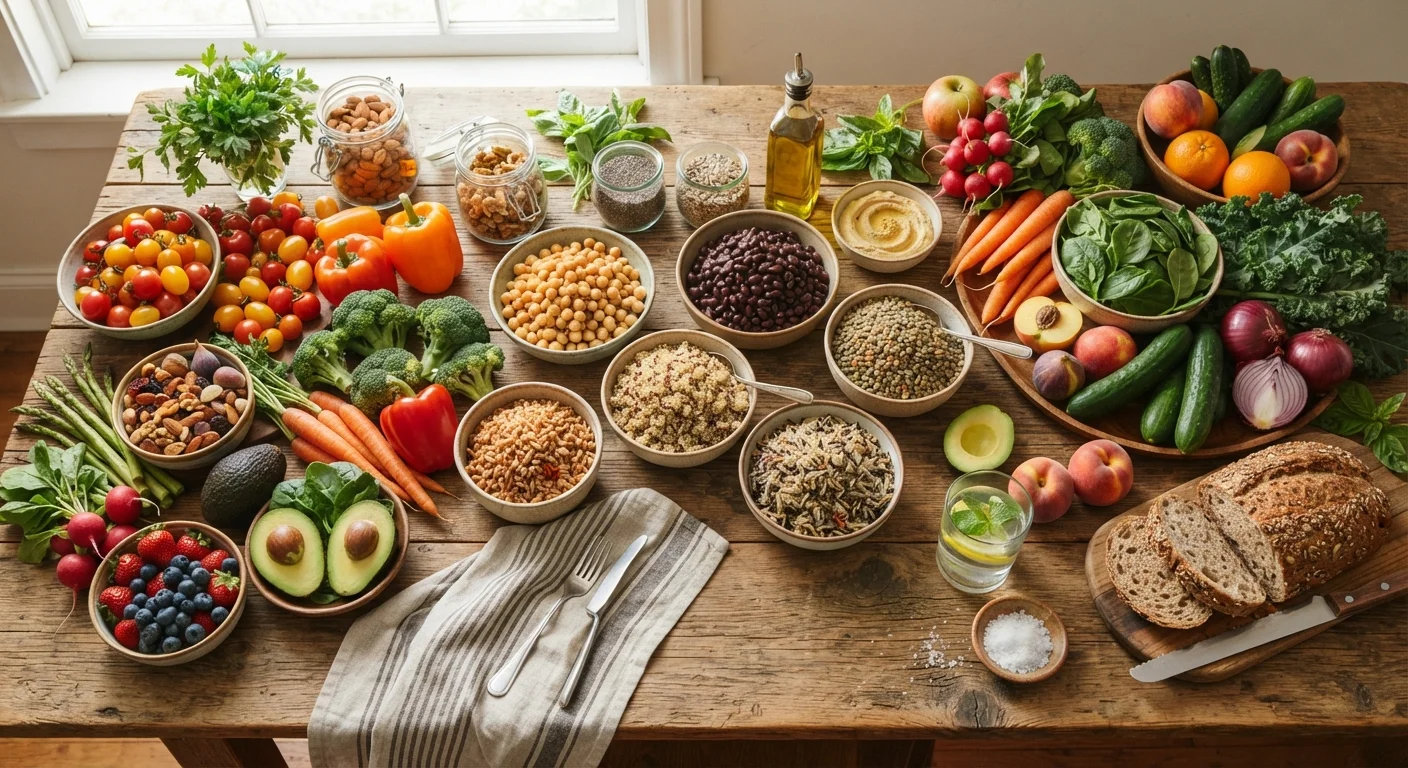
Photo: InsightsVilla.com | Quick Search. Right Info editorial
Key Takeaways
- Plant-based eating is a spectrum, not an all-or-nothing commitment.
- Gradually shifting meal composition is more sustainable than overnight overhauls.
- Legumes, whole grains, and vegetables can meet most nutritional needs for many people.
- A few nutrients - especially B12 and iron - deserve extra attention when reducing animal foods.
- Consult a registered dietitian before making significant dietary changes, especially with health conditions.
What Plant-Based Eating Actually Means
The term plant-based eating gets used in a lot of ways, which creates confusion. It does not automatically mean vegan, vegetarian, or any specific named diet. In practice, it describes a pattern of eating that places plants - vegetables, fruits, legumes, whole grains, nuts, and seeds - at the center of most meals, while leaving room for flexibility around animal products.
Think of it as a dial rather than a switch. At one end sits a standard American diet heavy in meat, dairy, and processed foods. At the other is a fully vegan approach. Most people find a comfortable, sustainable position somewhere between the two. Building a balanced plate without following any named diet is entirely achievable - plant-based principles fit neatly within that evidence-informed approach.
Plant-based diet
An eating pattern centered on foods that come from plants - vegetables, fruits, legumes, whole grains, nuts, and seeds - without necessarily excluding all animal products.
Legumes
A family of plants that includes beans, lentils, chickpeas, and peas. They are high in protein, fiber, and many micronutrients, and are a cornerstone of plant-forward eating.
Essential amino acids
Building blocks of protein that the body cannot make on its own and must get from food. All nine are needed for health; a varied diet of plant foods can supply all of them.
Non-heme iron
The form of iron found in plant foods. It is absorbed less readily than the heme iron in meat, but absorption can be improved by eating it alongside vitamin C-rich foods.
Vitamin B12
A vitamin essential for nerve function and red blood cell production that is found almost entirely in animal-derived foods. People significantly reducing animal intake often need to plan carefully around it.
Whole grains
Grains that retain their bran and germ - such as brown rice, oats, quinoa, and whole wheat - providing more fiber, vitamins, and minerals than refined grain products.
Why Omnivores Are Making the Shift
Research consistently associates higher plant food intake with lower risks of certain chronic diseases, including cardiovascular disease and type 2 diabetes, according to large dietary pattern studies published in peer-reviewed nutrition journals. Fiber-rich diets also support digestive health and tend to improve satiety at meals.
Beyond individual health, environmental considerations motivate many people - plant foods generally carry a lower carbon and water footprint than most animal products. And practically speaking, legumes and whole grains are among the most affordable items in any grocery store, making this approach accessible across income levels.
None of this means animal foods are categorically harmful. What the evidence supports is that more plants is beneficial for most people - not that every trace of animal protein must go.
A Simple Framework for Getting Started
Gradual, structured shifts outperform cold-turkey overhauls for most people. Here is a practical progression to build from:
- Crowd in, don't cut out. Add a vegetable or legume to meals you already enjoy before removing anything. A handful of spinach in scrambled eggs or black beans in a burrito changes nothing about convenience.
- Designate plant-centered meals. Pick one or two dinners per week - lentil soup, veggie stir-fry, bean tacos - and treat them as defaults. Routine reduces decision fatigue.
- Rethink the plate ratio. Aim for roughly half the plate to be non-starchy vegetables and fruits, a quarter whole grains, and a quarter protein - which can be plant or animal.
- Prep a protein anchor. Cooking a batch of chickpeas or lentils on Sunday makes plant-forward weeknights dramatically easier. See the weeknight meal prep framework for low-pressure batch-cooking strategies.
Start With Meals You Already Love
Navigating Protein and Key Nutrients
Protein is the most common concern newcomers raise. The good news is that diverse plant proteins - beans, lentils, tofu, tempeh, edamame, whole grains - can collectively supply all essential amino acids for most healthy adults when eaten across a varied day. You do not need to meticulously combine proteins at every single meal, though variety over the course of the day matters.
For a deeper comparison of plant protein sources by amino acid profile and culinary versatility, see plant-based protein sources compared. And if you are weighing animal versus plant protein more broadly, this side-by-side protein comparison covers bioavailability, cost, and real-world usability.
A few nutrients warrant specific attention when animal foods decrease:
- Vitamin B12: Found almost exclusively in animal products. People reducing meat significantly should discuss supplementation with a healthcare provider.
- Iron: Plant sources provide non-heme iron, which is absorbed less efficiently. Pairing iron-rich foods with vitamin C-containing foods improves absorption.
- Omega-3 fatty acids: Walnuts, flaxseed, and chia seeds provide ALA, though conversion to the active forms (EPA and DHA) is limited. A dietitian can advise whether supplementation is appropriate for you.
- Calcium and Vitamin D: Achievable from fortified plant milks, leafy greens, and sensible sun exposure, but individual needs vary.
This information is general and educational. Speak with a registered dietitian or your healthcare provider before making significant dietary changes, particularly if you have existing health conditions.
Nutrient Needs Are Individual
Common Pitfalls and How to Avoid Them
Even well-intentioned shifts can stall or backfire without a little foresight. Watch for these patterns:
- Replacing meat with processed substitutes
- Many packaged plant-based burgers and nuggets are high in sodium and offer modest fiber. Use them occasionally, but build meals primarily around whole foods.
- Going too fast
- Drastically increasing fiber intake in a short period can cause digestive discomfort. Increase gradually and drink plenty of water to ease the transition.
- Forgetting about variety
- Eating only salads and pasta misses the nutritional breadth that makes plant-forward eating valuable. Rotate through different legumes, grains, and colorful vegetables regularly.
- Treating it as all-or-nothing
- Eating a steak on a special occasion does not undo months of progress. Flexibility is a feature, not a flaw. The Food & Nutrition hub has additional resources for building sustainable, informed eating habits over the long term.
Don't Conflate 'Plant-Based' With 'Automatically Healthy'
Frequently Asked Questions
The content on this site is for informational purposes only and is not a substitute for professional advice. Always consult a qualified professional for guidance specific to your situation.