
The Seasonal Car Maintenance Checklist Every Driver Should Keep

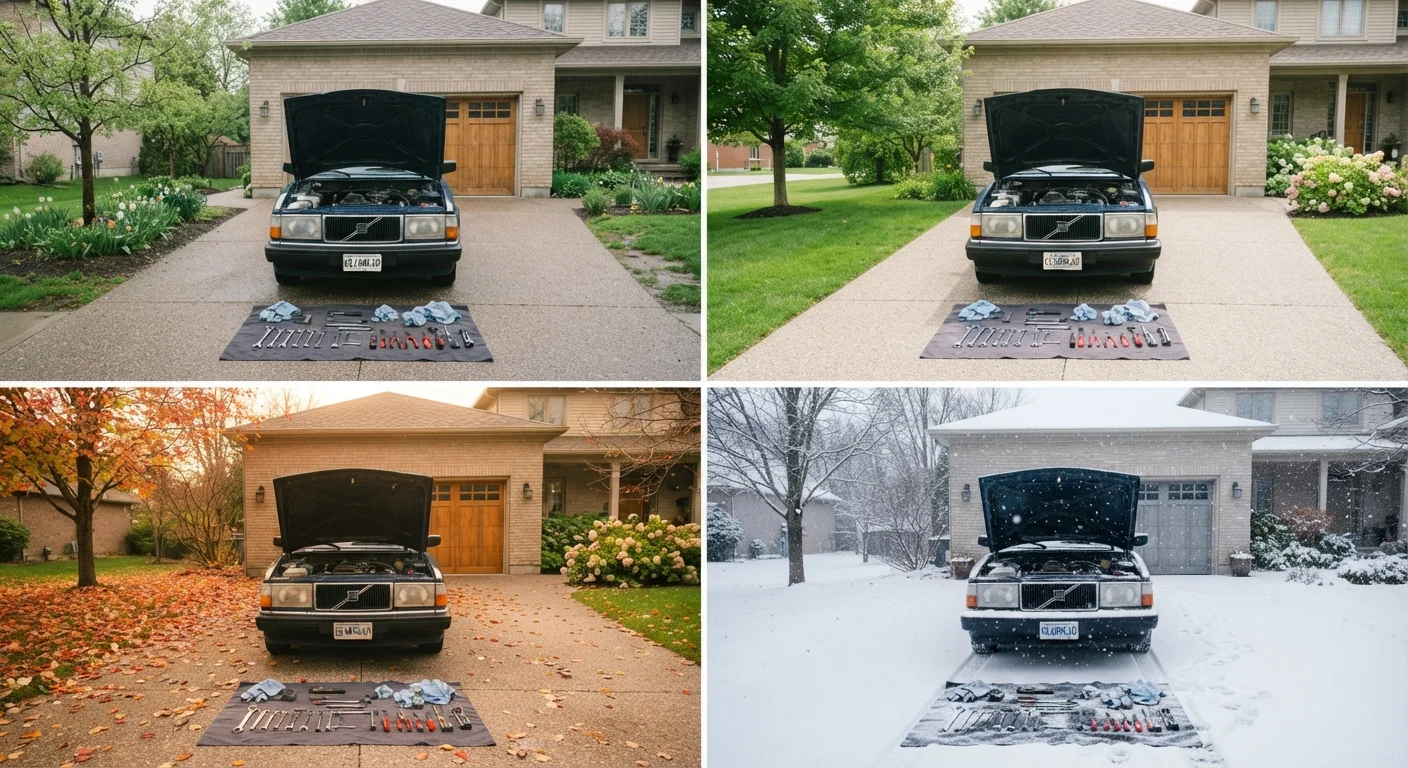
Photo: InsightsVilla.com | Quick Search. Right Info editorial
Key Takeaways
- Seasonal maintenance catches small problems before they become expensive repairs.
- Tires, battery, fluids, and brakes are the four systems most affected by temperature extremes.
- Many checklist items take only minutes and require no tools or mechanical skill.
- Your owner's manual's factory maintenance schedule should guide service intervals.
- Some tasks are DIY-friendly; others genuinely belong in a shop for safety.
Why Seasonal Checks Matter More Than You Might Think
Most drivers wait for a warning light before opening the hood. The problem is that many common failures - a weak battery, worn wiper blades, low brake fluid - don't trigger dashboard alerts until something has already gone wrong. A brief seasonal walkthrough changes that equation entirely.
Vehicles take real punishment from temperature swings. Summer heat accelerates fluid breakdown and tire pressure fluctuations. Winter cold stresses batteries, thickens engine oil, and reduces braking efficiency on ice and snow. Catching these issues early is one of the most reliable ways to keep car ownership costs manageable over time.
This checklist is organized by season and covers the systems that matter most. Use it alongside the maintenance schedule already printed in your owner's manual - a resource most drivers overlook. If you haven't read yours, it contains a factory schedule tailored specifically to your vehicle.
Don't Ignore Brakes Before Winter
What You'll Need to Work Through This Checklist
Most items on this list require only a few minutes of your time and basic observation skills. A handful of checks benefit from inexpensive tools. For anything that falls outside your comfort level, knowing when to take it to a shop is itself good maintenance practice.
Tire pressure gauge
Accurately measures tire inflation - digital or stick-type gauges are both reliable for home use.
Tread depth gauge
Measures remaining tire tread in 32nds of an inch to determine whether tires are safe for continued use.
Flashlight or work light
Allows clear inspection of undercarriage, wheel wells, belts, and hoses in low-light conditions.
Battery load tester
Tests whether a battery can hold a charge under load - many auto parts stores will test your battery for free.
Owner's manual
Contains your vehicle's factory maintenance schedule, fluid specifications, and tire inflation recommendations.
Maintenance log (notebook or app)
Tracks what was checked, what was found, and what was serviced each season to reveal wear patterns over time.
The Seasonal Maintenance Checklist
Work through these groups before each new season begins - ideally two to three weeks ahead so you have time to book a shop appointment if something needs professional attention. Items marked must are non-negotiable for safety or reliability. Should items are strongly recommended. Nice-to-have items improve comfort or longevity but aren't urgent.
Spring (Post-Winter Recovery)
Summer (Heat Preparation)
Fall (Cold-Weather Preparation)
Winter (Cold-Weather Readiness)
For a deeper look at what technicians examine during a professional inspection, see what a mechanic looks for during a routine inspection. And if you want to understand the difference between rotation, balancing, and alignment before your next tire service, this breakdown clears up the confusion.
Some Tasks Require a Professional
Putting the Checklist Into Practice
The best seasonal check is one that actually gets done. Schedule a 45-minute block at the start of each season - mark it on your calendar the same way you would an oil change. Keep a simple log (a notes app works fine) of what you checked, what you found, and what was serviced. Patterns in that log often reveal wear trends before they become failures.
Driving habits also play a role in how fast your vehicle ages between checks. Everyday habits like hard braking and ignoring odd noises quietly accelerate wear on the same systems this checklist covers. And when conditions turn severe, preparation behind the wheel matters just as much as preparation under the hood - see our guide on driving safely in rain, snow, ice, and fog for what to adjust when roads turn dangerous.
If you're newer to car ownership and want a foundational overview of upkeep habits, this maintenance primer for new drivers is a practical starting point.
The content on this site is for informational purposes only and is not a substitute for professional advice. Always consult a qualified professional for guidance specific to your situation.