
Tire Rotation, Balancing, and Alignment: Three Services Drivers Often Confuse

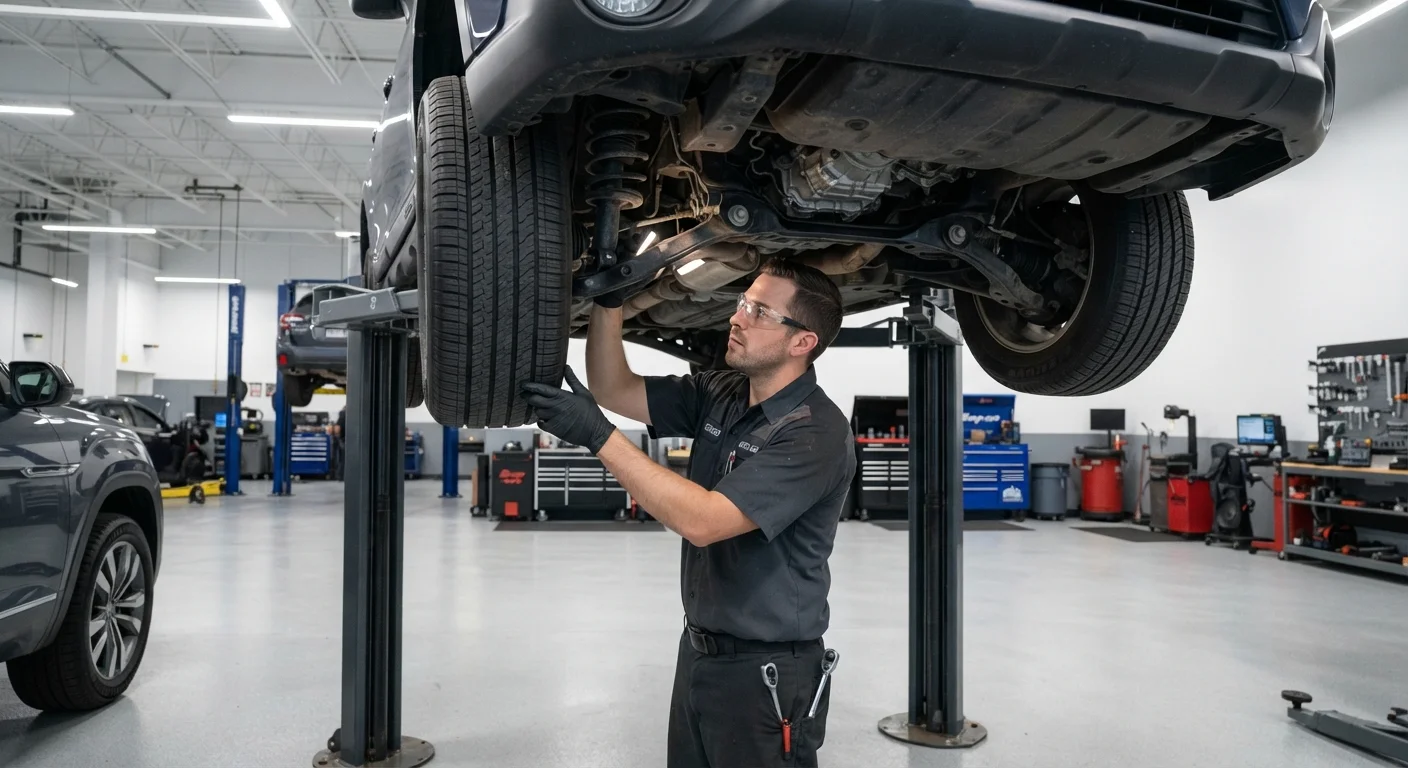
Photo: InsightsVilla.com | Quick Search. Right Info editorial
Key Takeaways
- Rotation, balancing, and alignment each solve a different problem and cannot substitute for one another.
- Tire rotation is typically recommended every 5,000-7,500 miles, often aligned with oil changes.
- Wheel balancing corrects vibration; alignment corrects pulling, drifting, or uneven wear patterns.
- Hitting a significant pothole or curb is a common trigger for needing both balancing and alignment checks.
- Skipping any of these services can shorten tire life and affect vehicle safety.
Why These Three Services Get Confused
Walk into almost any tire shop and you'll see rotation, balancing, and alignment listed side by side on the service menu. Because they all involve tires and wheels, many drivers assume they're variations of the same thing - or that getting one covers the others. They don't, and it doesn't.
Each service targets a specific problem. Mixing them up can lead to skipping something genuinely needed or paying for something that won't fix the symptom you're experiencing. Understanding what each one actually does makes you a more informed owner - and helps you avoid unnecessary repair bills.
For a broader look at how routine maintenance fits into long-term vehicle costs, see how to keep car ownership costs manageable over time.
Tire Rotation: Keeping Wear Even Across All Four Tires
Rotation means physically moving tires from one position on the vehicle to another - front to rear, side to side, or in a cross pattern - according to a specific rotation scheme. The goal is to ensure all four tires wear at roughly the same rate.
Why does uneven wear happen? Front tires on a front-wheel-drive vehicle do most of the acceleration, steering, and a greater share of braking - so they wear faster than the rear tires. Rear-wheel-drive vehicles have a different load distribution but still develop uneven wear patterns over time.
Most manufacturers recommend rotation every 5,000 to 7,500 miles. Many drivers schedule it alongside oil changes to make it easy to remember. Skipping rotations means some tires will wear out significantly earlier than others, forcing earlier replacement of the full set.
Schedule Rotation With Your Oil Change
It's worth reading about how tire pressure affects tread life - keeping pressure correct between rotations helps the service work more effectively.
Wheel Balancing: Eliminating Vibration from Uneven Weight
Every wheel-and-tire assembly has minor weight inconsistencies - small variations in the tire's rubber, the rim's shape, or both. When these imbalances are significant enough, they cause the wheel to wobble slightly as it spins, creating vibration that travels through the steering wheel, seat, or floorboard.
Balancing involves placing the wheel on a balancing machine that spins it and identifies where weight is unequal. A technician then attaches small counterweights to the rim to bring the assembly into balance.
The clearest symptom of an out-of-balance wheel is vibration that appears at certain highway speeds - typically around 55 to 70 mph - and may lessen at other speeds. New tires should be balanced at installation, and rebalancing is often warranted after hitting a significant pothole or curb.
5,000-7,500 mi
Typical tire rotation interval
Most vehicle manufacturers specify this range in owner's manuals; exact intervals vary by drivetrain type and tire construction.
~$15-$75
Typical cost range for a four-wheel balance
Pricing varies by shop, region, and vehicle type; this range reflects commonly cited industry figures for standard passenger vehicles.
Up to 12,000 mi
Potential tire life lost to misalignment
Industry estimates suggest that sustained wheel misalignment can shorten tire lifespan by thousands of miles due to accelerated uneven wear.
Wheel Alignment: Correcting the Angles That Affect Handling and Wear
Alignment has nothing to do with weight distribution or tire position - it's about the geometric angles at which your wheels contact the road. Three primary angles are involved: camber (the inward or outward tilt of the tire when viewed from the front), toe (whether the fronts of the tires point inward or outward), and caster (the angle of the steering axis).
When these angles drift outside the manufacturer's specifications - which can happen gradually over time or suddenly after an impact - the vehicle may pull to one side, the steering wheel may sit off-center, and tires will begin wearing unevenly, often heavily on one edge.
Alignment is adjusted using a specialized machine and requires a qualified mechanic. It's commonly needed after a significant pothole impact, a minor collision, or suspension component replacement. Many manufacturers also recommend periodic alignment checks as part of routine maintenance.
To see where alignment fits alongside other seasonal service needs, the seasonal car maintenance checklist is a useful reference.
When Each Service Is Actually Needed
Knowing the symptoms helps you communicate clearly with a shop and avoid paying for services you don't need.
- Rotation: On a mileage schedule (check your owner's manual). No symptoms required - it's preventive.
- Balancing: When you feel vibration through the steering wheel or seat at highway speeds, or after any significant wheel impact.
- Alignment: When the vehicle pulls to one side, the steering wheel is off-center on a straight road, or you notice uneven tread wear across a tire's width.
These services can overlap - a pothole hard enough to knock out your alignment may also knock a wheel out of balance - but they don't automatically go together. For guidance on which maintenance tasks make sense to handle yourself versus when to bring in a professional, see our look at DIY car maintenance versus taking it to a shop.
All Three Services Require Shop Equipment
Frequently Asked Questions
The content on this site is for informational purposes only and is not a substitute for professional advice. Always consult a qualified professional for guidance specific to your situation.