
DIY Car Maintenance vs. Taking It to a Shop

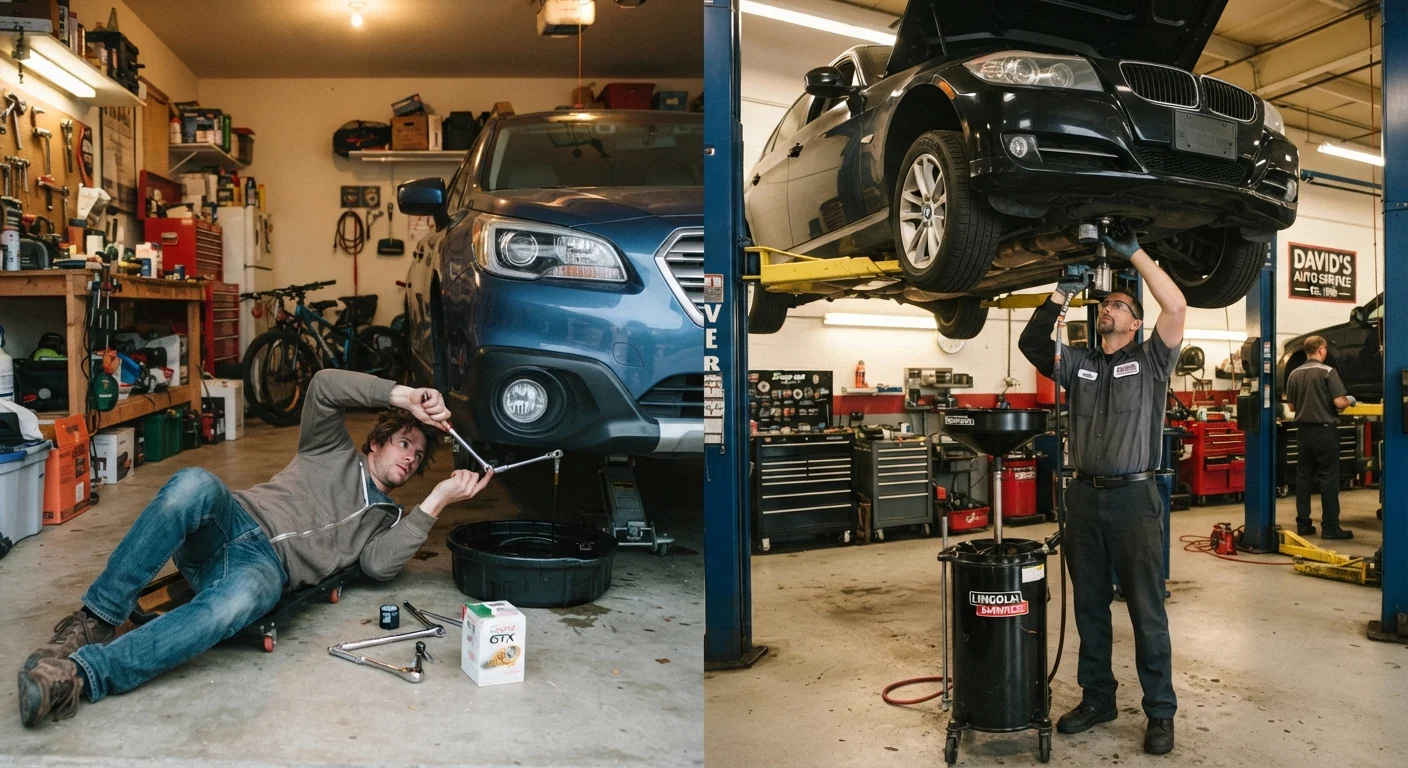
Photo: InsightsVilla.com | Quick Search. Right Info editorial
Key Takeaways
- Simple tasks like air filters, wiper blades, and fluid top-offs are safe and cost-effective for most drivers to do at home.
- Brake systems, suspension components, and transmission work carry safety risks that generally require a qualified mechanic.
- Your owner's manual is the most reliable guide to service intervals and approved fluid specifications.
- DIY mistakes on complex systems can void warranties and lead to repair bills far exceeding shop labor costs.
- Even confident DIYers benefit from periodic professional inspections to catch problems they may miss.
Where the Line Actually Falls
Most drivers fall somewhere between two extremes - those who won't touch anything under the hood, and those who attempt repairs beyond their skill level. The practical truth is that modern vehicles are designed with a clear tier of maintenance complexity, and knowing which tier a task falls into is the single most useful thing a driver can learn.
For a solid foundation on what routine upkeep actually involves, the maintenance primer for new drivers covers the essential habits that keep cars reliable. This article builds on that by drawing a clear line between what belongs in your driveway and what belongs on a shop lift.
| DIY at Home | Professional Shop | |
|---|---|---|
| Air & cabin filter replacement | Yes - simple, low-risk | Not necessary for most drivers |
| Wiper blade replacement | Yes - no tools needed | Unnecessary for this task |
| Oil change | Possible with proper setup | Recommended if unsure about lifting safely |
| Brake pad replacement | Not recommended - safety-critical | Yes - required expertise |
| Suspension/steering work | No - alignment required after | Yes - precision tools needed |
| Electrical diagnostics | No - requires scan tools | Yes - proper equipment essential |
| Timing belt/chain service | No - engine damage risk | Yes - high precision required |
Tasks That Are Reasonable to DIY
Several routine jobs require only basic tools, carry low safety risk, and are well-documented in any owner's manual. These include:
- Engine air filter replacement: Typically a clip or screw-secured housing. Takes under 10 minutes and makes a noticeable difference in engine efficiency.
- Wiper blade replacement: Straightforward swap requiring no tools on most vehicles. Blades are universally labeled by size at auto parts stores.
- Fluid top-offs: Windshield washer fluid, coolant reservoir, and power steering fluid (where applicable) are clearly marked under the hood. Always use the type specified in your owner's manual.
- Battery terminal cleaning: A wire brush and baking soda solution handle corrosion buildup safely when the battery is disconnected first.
- Cabin air filter replacement: Usually located behind the glove box. Most vehicles allow access without any tools at all.
Oil changes are often cited as a DIY staple, but they require safe vehicle lifting, proper disposal of used oil, and the correct oil type. Consult your guide to motor oil types before deciding - and if you're not confident in safely raising your vehicle, this is one worth leaving to a shop.
Start a Simple Maintenance Log
Jobs That Belong in a Professional Shop
Certain systems on your vehicle are safety-critical, and errors during service don't just inconvenience you - they can cause accidents or create cascading mechanical failures. These jobs should go to a qualified technician:
- Brake service: Pad replacement looks simple in videos, but improper installation, incorrect torque on caliper bolts, or disturbed brake lines can cause brake failure. This is non-negotiable.
- Suspension and steering components: Control arms, tie rods, and wheel bearings require precise alignment after installation. A misaligned suspension affects handling and tire wear in ways that aren't immediately obvious.
- Transmission service: Fluid flushes and filter replacement involve specific procedures that vary significantly by transmission type. Mistakes can shorten transmission life dramatically.
- Timing belt or chain service: Precision is critical. An incorrectly installed timing belt can destroy an engine within seconds of starting.
- Electrical and computer diagnostics: Modern vehicles use complex control modules that require professional scan tools to diagnose accurately. Guessing at electrical faults typically wastes money.
Understanding what a technician actually evaluates helps explain why these services warrant professional attention. The mechanic inspection overview details the systems assessed during a standard inspection and what findings typically mean.
Don't Let Online Videos Replace Professional Judgment
The Cost Calculation Most Drivers Miss
DIY maintenance saves money on labor, but only when the job goes correctly. A misinstalled component can multiply the original repair cost by several times. Factor in these often-overlooked variables:
- Tool investment: Some jobs require specialty tools that a shop already owns. If you're buying a torque wrench, socket set, and a floor jack for one oil change, the savings may not materialize until the third or fourth time you do it.
- Warranty implications: Manufacturer warranties and extended service contracts may require documented professional service for certain components. Verify before DIYing on a newer vehicle.
- Time and learning curve: An experienced technician performs familiar tasks in a fraction of the time a first-timer needs. Your time has value too.
For a broader look at keeping ownership costs under control across the vehicle's life, managing car ownership costs offers practical habits from maintenance timing to knowing when a repair simply isn't worth it. And for vehicles with significant mileage, high-mileage maintenance strategy explains how the calculus changes as the odometer climbs.
The content on this site is for informational purposes only and is not a substitute for professional advice. Always consult a qualified professional for guidance specific to your situation.