
What a Mechanic Looks for During a Routine Inspection

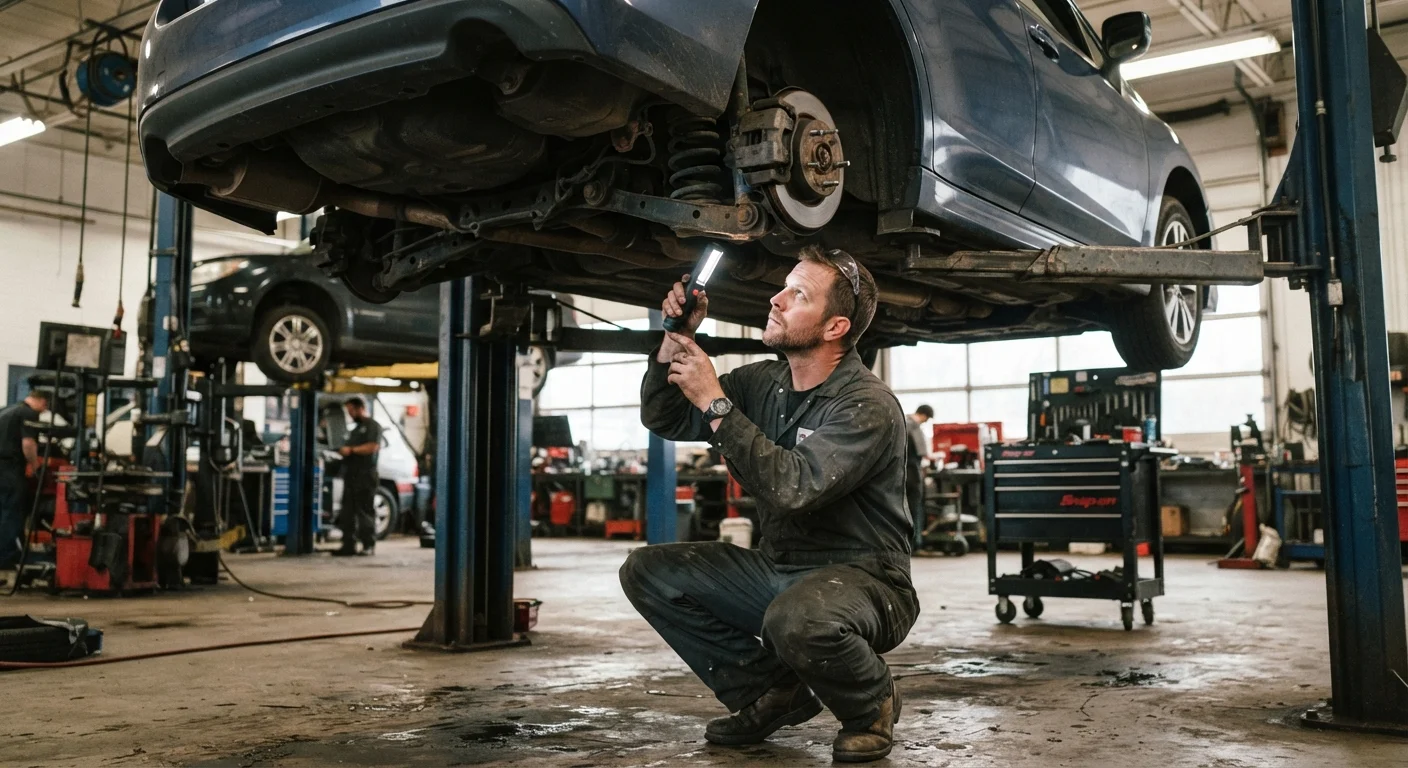
Photo: InsightsVilla.com | Quick Search. Right Info editorial
Key Takeaways
- A routine inspection covers brakes, tires, fluids, lights, suspension, and safety systems - not just an oil change.
- Technicians follow a systematic checklist to catch developing problems before they become expensive failures.
- Many inspection findings are advisory - meaning the component is wearing but not yet urgent.
- Knowing what mechanics check helps drivers ask better questions and make informed repair decisions.
- Inspection intervals vary by vehicle and driving conditions; consult your owner's manual for guidance.
Why a Routine Inspection Is More Than an Oil Change
Many drivers use the term "routine inspection" interchangeably with an oil change, but the two are different things. An oil change swaps out one fluid. A routine inspection - sometimes called a multi-point inspection - is a structured review of the systems that keep a vehicle safe and reliable. Shops typically perform one alongside a service visit, but the inspection itself involves eyes and hands on components throughout the vehicle.
Understanding what a technician actually checks helps you move from passive recipient to informed decision-maker. When a service advisor walks out with a printout and a list of recommendations, you'll know which findings warrant immediate action, which can wait, and which ones you may want a second opinion on. For a broader look at managing what those decisions cost over time, see our guide on keeping car ownership costs manageable.
What you will need
The Systems a Technician Evaluates
A thorough inspection moves through the vehicle in a logical sequence. Here is what a trained technician is looking for at each stage.
Brake System Assessment
The technician measures brake pad thickness and inspects rotors for wear, scoring, or warping. Brake fluid condition and level are also checked. Calipers are examined for proper function and signs of leaking. Brake lines are inspected for corrosion, especially on older vehicles in rust-prone climates.
Tire Condition and Pressure
Each tire is inspected for tread depth, uneven wear patterns, sidewall damage, and proper inflation. Uneven wear often signals an alignment or suspension issue rather than a tire problem alone. The spare tire, if accessible, is also checked for inflation and condition.
Fluid Levels and Condition
Technicians check engine oil, coolant, transmission fluid, power steering fluid (where applicable), brake fluid, and windshield washer fluid. Both the level and the condition of each fluid matter - dark, gritty, or milky fluid can indicate contamination or a failing component.
Lights, Wipers, and Electrical Components
All exterior lights - headlights, taillights, brake lights, turn signals, and hazard flashers - are verified for operation. Wiper blades are checked for streaking, tearing, or skipping. Battery terminals are inspected for corrosion, and battery voltage or load may be tested depending on the shop's protocol.
Suspension, Steering, and Exhaust
With the vehicle raised on a lift, the technician checks shocks, struts, ball joints, tie rods, and CV axle boots for wear or damage. Steering linkage is examined for looseness. The exhaust system is inspected for leaks, rust, or damaged hangers - conditions that affect both performance and safety.
Belts, Hoses, and the Engine Bay
The serpentine belt is checked for cracking, fraying, or glazing. Coolant and other hoses are squeezed and visually inspected for soft spots, brittleness, or leaks. The air filter is checked for restriction. On applicable vehicles, the timing belt service interval may also be noted.
Ask for the Written Report
Findings are generally categorized as immediate safety concerns, items to monitor, or within normal range. Not every advisory requires same-day repair - but understanding the distinction matters. Our article on DIY car maintenance vs. taking it to a shop can help you sort out which follow-ups are reasonable to handle yourself.
What Inspection Results Mean for You
A completed inspection report is only useful if you can interpret it. Items flagged as safety-critical - failed brake components, severely worn tires, or inoperative lighting - generally should not be deferred. Items listed as "monitor" typically indicate wear that falls within an expected range but should be tracked at the next service interval.
If you're a newer driver still building familiarity with vehicle upkeep, the car ownership maintenance primer for new drivers offers a solid foundation for understanding what normal wear looks like. Pairing that knowledge with a seasonal approach - such as the seasonal car maintenance checklist - helps ensure inspection intervals stay consistent rather than reactive.
Verbal-Only Recommendations Are a Red Flag
Routine inspections are most valuable when they happen on a schedule, not only when something feels wrong. Your owner's manual is the authoritative source for recommended service intervals for your specific vehicle.
The content on this site is for informational purposes only and is not a substitute for professional advice. Always consult a qualified professional for guidance specific to your situation.