
Habits That Quietly Wear Out Your Car Faster

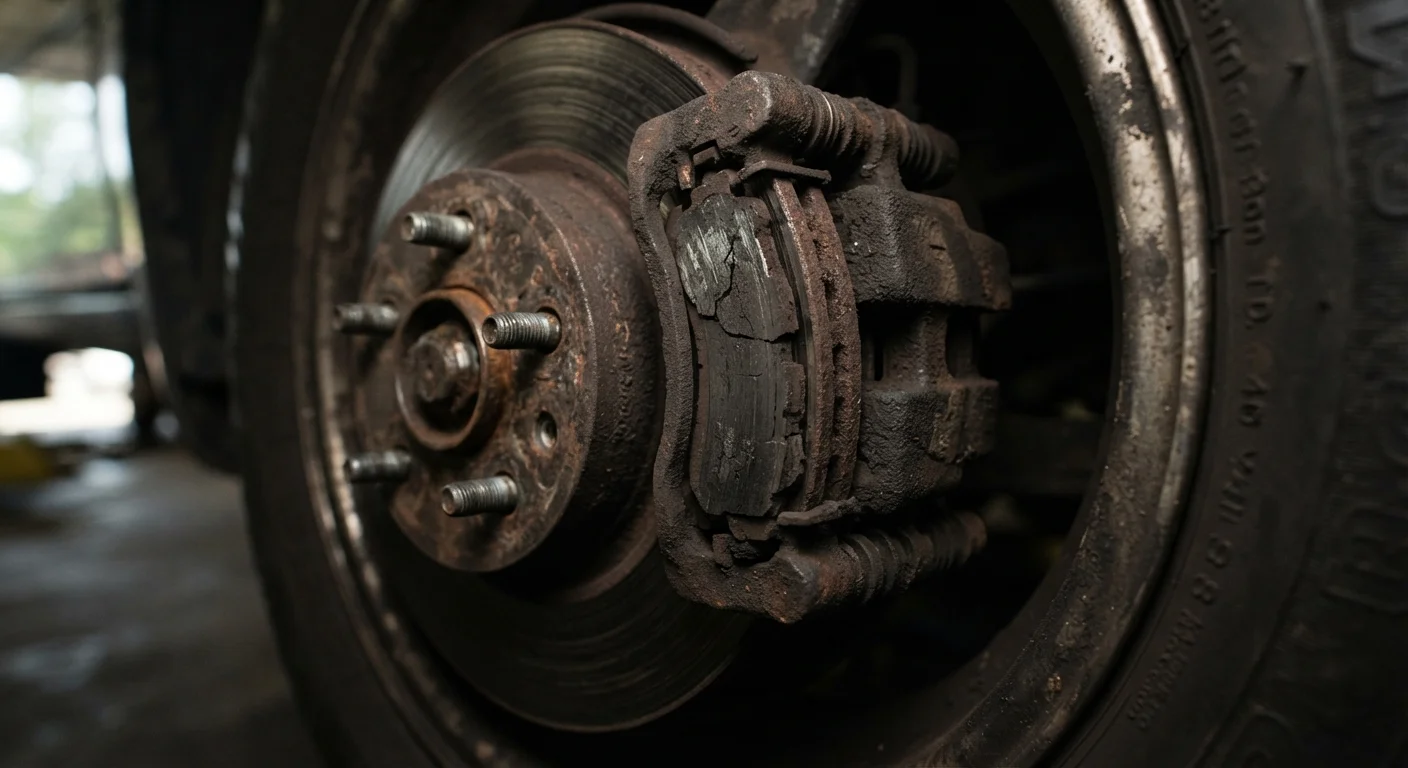
Photo: InsightsVilla.com | Quick Search. Right Info editorial
Key Takeaways
- Hard braking shortens brake pad and rotor life significantly faster than smooth stopping.
- Ignoring dashboard warning lights often turns a minor fix into an expensive repair.
- Running on low fuel regularly can damage your fuel pump over time.
- Skipping oil changes is one of the fastest ways to shorten an engine's lifespan.
- Carrying unnecessary weight in your vehicle increases fuel consumption and tire wear.
Why Everyday Habits Matter More Than Big Repairs
Most cars don't break down overnight. They wear out gradually, driven by small decisions made every day behind the wheel. The habits that quietly do the most damage are rarely dramatic - they're the ones so routine you don't think twice about them.
Understanding which behaviors accelerate wear is the most straightforward way to protect your vehicle and avoid costly surprises. For a broader look at keeping expenses predictable, see our guide to managing car ownership costs.
Braking hard and late instead of slowing down gradually.
Skipping or delaying scheduled oil changes.
Regularly running the fuel tank close to empty.
Ignoring tire pressure and uneven tread wear.
Carrying excessive, unnecessary weight in the vehicle.
Driving aggressively in extreme cold without allowing brief warm-up.
The Hidden Cost of Ignoring Early Warning Signs
A new rattle, a dashboard light that flickers once and disappears, brake pads that squeal only when it's cold - these are easy to dismiss. But your car's warning systems are calibrated to alert you before a small issue becomes catastrophic.
Never Ignore a Persistent Warning Light
Brakes are a prime example. Squealing typically indicates worn pads, but continued driving without inspection can score the rotors - turning a pad replacement into a full brake service. Our article on how brake pads, rotors, and calipers work explains exactly what each component does and when service is due.
~30%
Brake life lost to aggressive stopping habits
Automotive engineers commonly estimate that consistently hard braking can reduce brake pad service life by roughly 30% compared to smooth, progressive braking.
1 in 4
U.S. vehicles with at least one underinflated tire
The National Highway Traffic Safety Administration has reported that roughly one in four passenger vehicles on U.S. roads has at least one significantly underinflated tire.
Staying ahead of fluid levels is equally important. Low coolant, old transmission fluid, or degraded brake fluid can each cause serious mechanical failures. The breakdown of car fluids and their roles is worth reading alongside this guide.
The content on this site is for informational purposes only and is not a substitute for professional advice. Always consult a qualified professional for guidance specific to your situation.