
Pet Hydration: Why Water Intake Matters More Than Most Owners Realize

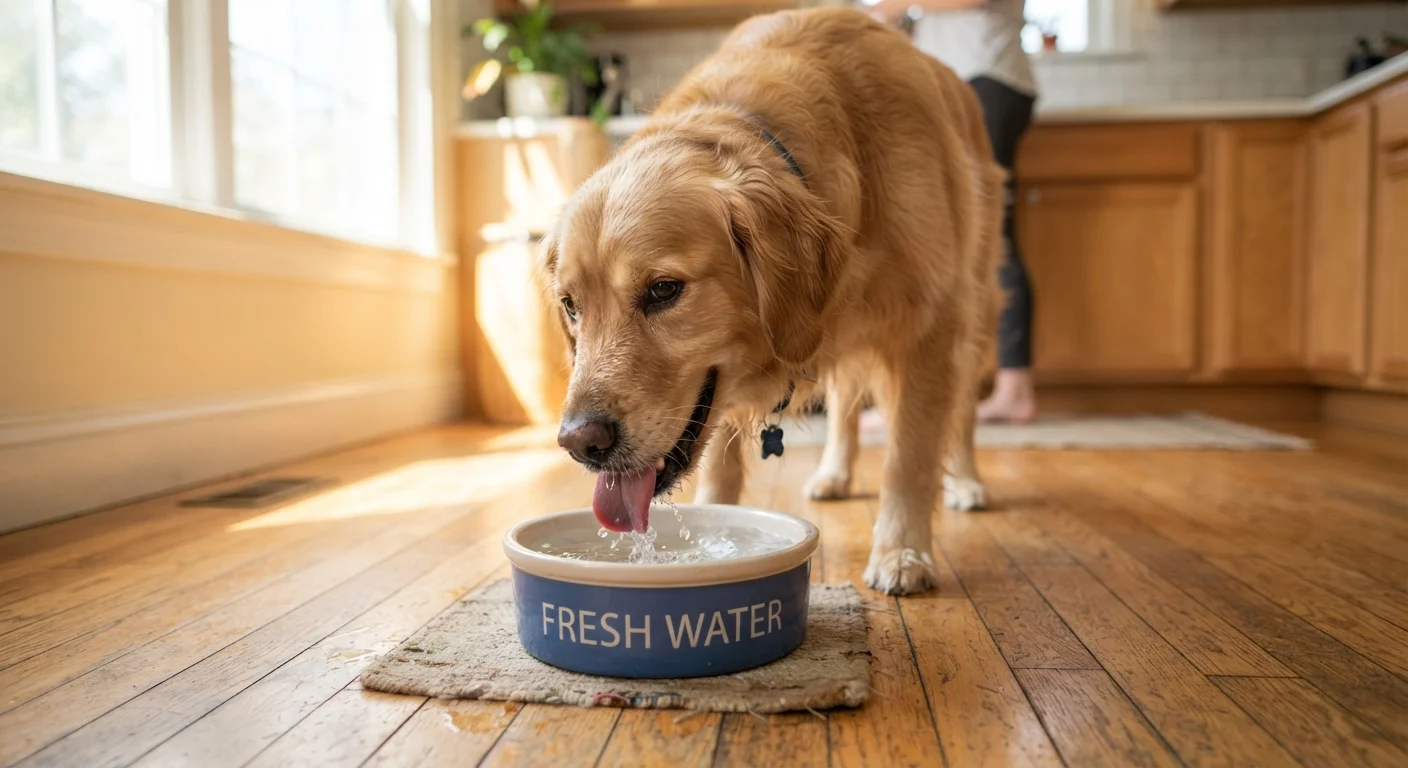
Photo: InsightsVilla.com | Quick Search. Right Info editorial
Key Takeaways
- Dogs generally need about 1 ounce of water per pound of body weight daily.
- Cats are naturally low-thirst animals and often need wet food to meet fluid needs.
- Diet type (wet vs. dry food) significantly affects how much a pet needs to drink.
- Sudden changes in drinking habits - more or less - can signal an underlying health issue.
- Water bowl placement, cleanliness, and type all influence whether a pet will drink enough.
- Always consult a veterinarian if you notice persistent changes in your pet's water intake.
Why Water Is Non-Negotiable for Pet Health
Water is involved in virtually every function that keeps a pet alive - from moving nutrients through the bloodstream to regulating body temperature and flushing waste through the kidneys. Unlike food, where a pet can go days without serious harm, water deprivation causes problems much faster.
Even mild, chronic under-hydration - the kind that doesn't look dramatic from the outside - can quietly strain the kidneys and urinary tract over time. This is particularly well-documented in cats, who are prone to kidney disease and lower urinary tract problems partly because they often don't drink enough. Understanding hydration is a genuine part of pet health and wellness that owners often underestimate until something goes wrong.
~70%
Water content of a healthy adult dog or cat's body
Veterinary physiology references consistently cite water as comprising roughly 60-70% of a pet's total body weight, underlining how critical fluid balance is.
75-80%
Water content in typical wet pet food
Compared to about 10% water in dry kibble, wet food substantially reduces how much a pet needs to drink from a bowl.
1 oz/lb
General daily water guideline for dogs
This rule of thumb is widely cited by veterinary sources as a baseline, though individual needs vary based on activity, diet, and health.
How Much Water Do Dogs, Cats, and Small Pets Actually Need?
Needs vary by species, size, and diet. Here's a general breakdown:
- Dogs: Roughly 1 ounce of water per pound of body weight daily. A 20-pound dog needs about 20 ounces; a 70-pound dog needs closer to 70 ounces. High activity, heat, or illness increases that requirement.
- Cats: Approximately 3.5-4.5 ounces of water per 5 pounds of body weight per day. Because cats have a low natural thirst drive, diet plays a large role - a cat eating wet food may drink very little from a bowl, which can be perfectly normal.
- Small animals (rabbits, guinea pigs, hamsters): These animals have high water needs relative to their body size. Rabbits, for example, typically drink 50-150 ml per kilogram of body weight per day. Fresh water should always be available.
Diet type is the single biggest variable. Wet food is roughly 75-80% water, so pets eating it get a meaningful share of their daily fluid needs from meals alone - much like how humans get a surprising portion of hydration from food.
Try a Pet Water Fountain
What Affects How Much a Pet Drinks
Several factors naturally shift intake up or down, and many are worth monitoring as part of daily pet care routines:
- Food moisture content: Dry kibble contains around 10% water; wet food contains 75-80%. Switching food types will noticeably change how much a pet drinks from their bowl.
- Temperature and activity: Hotter days and more active play mean greater fluid loss through panting and evaporation - and higher intake needs.
- Life stage: Puppies and kittens have higher relative needs; senior pets may drink more due to age-related health changes.
- Living environment: Indoor and outdoor pets face different hydration demands, with outdoor animals more exposed to heat and exertion.
- Health status: Illness, certain medications, fever, vomiting, and diarrhea all affect fluid balance.
Warning Signs: When to Raise Hydration Concerns with a Vet
Changes in drinking habits are one of the clearest early signals that something may be off. Watch for:
- Drinking significantly less than usual - especially paired with lethargy, dry gums, or reduced urination.
- Drinking dramatically more than usual - excessive thirst (polydipsia) can indicate diabetes, kidney disease, hyperthyroidism in cats, or Cushing's disease in dogs.
- Refusing water entirely - this warrants a same-day call to your vet.
- Urine changes - very dark, strong-smelling urine can indicate under-hydration; very pale, very frequent urination alongside high water intake may signal kidney or hormonal issues.
These aren't diagnoses - they're prompts to get professional input. Routine veterinary visits are the right place to discuss baseline drinking patterns and flag concerns before they progress. Hydration issues can also complicate dental and oral health, since dry, sticky mouths are more hospitable to bacterial buildup.
The Skin Turgor Test: A Basic Home Check
This article is for informational purposes only and does not constitute veterinary medical advice. Always consult a licensed veterinarian for concerns about your pet's health.
Frequently Asked Questions
The content on this site is for informational purposes only and is not a substitute for professional advice. Always consult a qualified professional for guidance specific to your situation.