
Dental Health in Dogs and Cats: What Owners Consistently Underestimate

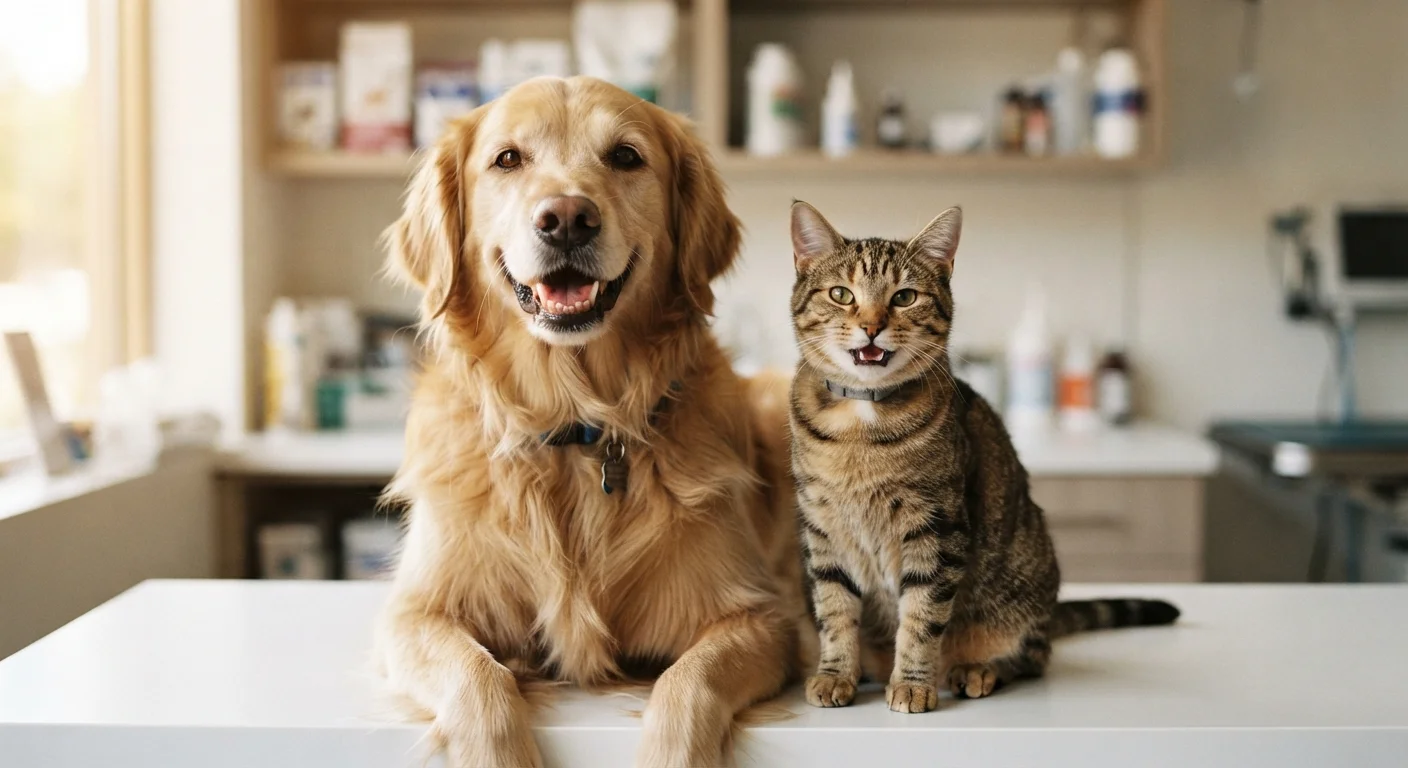
Photo: InsightsVilla.com | Quick Search. Right Info editorial
Key Takeaways
- Periodontal disease is the most common health condition diagnosed in adult dogs and cats.
- Bad breath is not normal - it's often an early warning sign of dental disease.
- Home brushing significantly slows plaque buildup, but professional cleanings remain essential.
- Dental problems can contribute to heart, kidney, and liver complications in pets.
- Most pets show no obvious signs of oral pain, even when disease is advanced.
Why Pet Dental Health Is More Serious Than Most Owners Realize
Periodontal disease - infection and inflammation of the structures supporting the teeth - is the single most commonly diagnosed health condition in adult pets. Yet it remains one of the most consistently undertreated. That gap exists largely because the disease progresses silently: pets evolved to mask pain and vulnerability, so owners rarely see obvious distress even when oral disease is advanced.
What makes this especially consequential is that dental disease is not isolated to the mouth. Bacteria from infected gum tissue can enter the bloodstream and travel to vital organs. Veterinary research has identified associations between advanced periodontal disease and heart, kidney, and liver problems in dogs and cats. This is a systemic concern, not a cosmetic one.
Dental Disease Affects Internal Organs
Understanding the most common mistakes owners make - and why they happen - is the first step toward giving your pet the dental care they actually need. For a broader look at routine appointments that are easy to postpone, see veterinary visits owners often skip.
The Mistakes That Put Pets at Risk
Most dental mistakes come down to one core misunderstanding: that if a pet isn't visibly suffering, nothing is wrong. The mistakes below reflect this pattern in different forms - and each has a practical fix.
Treating bad breath as normal or inevitable in pets.
Skipping professional dental cleanings because the pet seems fine.
Relying on dental treats or chews as a complete dental care strategy.
Never brushing a pet's teeth because it seems too difficult.
Assuming cats don't need dental care because they groom themselves.
Never Use Human Toothpaste on Pets
If you are unsure whether your pet is showing signs of discomfort, the subtle behavioral cues described in our guide to signs that a pet is in pain may help you identify what to watch for before a vet visit.
Building a Realistic Dental Care Routine
A practical dental care plan for most pets combines three elements: regular home brushing, veterinarian-approved supplemental products, and scheduled professional cleanings. No single element replaces the others.
80%
Dogs with periodontal disease by age 3
According to the American Veterinary Medical Association, approximately 80% of dogs show signs of periodontal disease by age three.
70%
Cats affected by dental disease by age 3
The American Veterinary Dental College estimates that most cats develop some form of dental disease by age three, with many cases going undetected.
For home care, start slow. Introduce touching around your pet's mouth before introducing a brush, and always use toothpaste formulated for animals. If your pet has never had their teeth brushed, expect the process to take several weeks of patient repetition before they become comfortable.
For supplemental products, the Veterinary Oral Health Council (VOHC) maintains a list of products that have met their standards for plaque or tartar reduction. These include certain water additives, dental diets, and chews. Your veterinarian is the best source for guidance tailored to your specific pet's health status and risk factors.
For professional care, discuss frequency with your veterinarian. Some breeds - particularly small-breed dogs and brachycephalic (flat-faced) breeds - are more prone to dental crowding and disease and may need more frequent cleanings. Anesthetic dental procedures can feel daunting, but they allow for complete oral examination, dental X-rays, and treatment of disease that is invisible during a routine exam.
Dental health is inseparable from overall wellness. For context on other commonly overlooked aspects of pet health, explore our Pet Care Basics hub, and see our overview of pet care myths veterinarians want to correct.
This article provides general pet health information and is not a substitute for professional veterinary advice. Always consult a licensed veterinarian regarding your pet's specific health needs.
The content on this site is for informational purposes only and is not a substitute for professional advice. Always consult a qualified professional for guidance specific to your situation.