
Indoor vs. Outdoor Pets: What Changes About Their Care

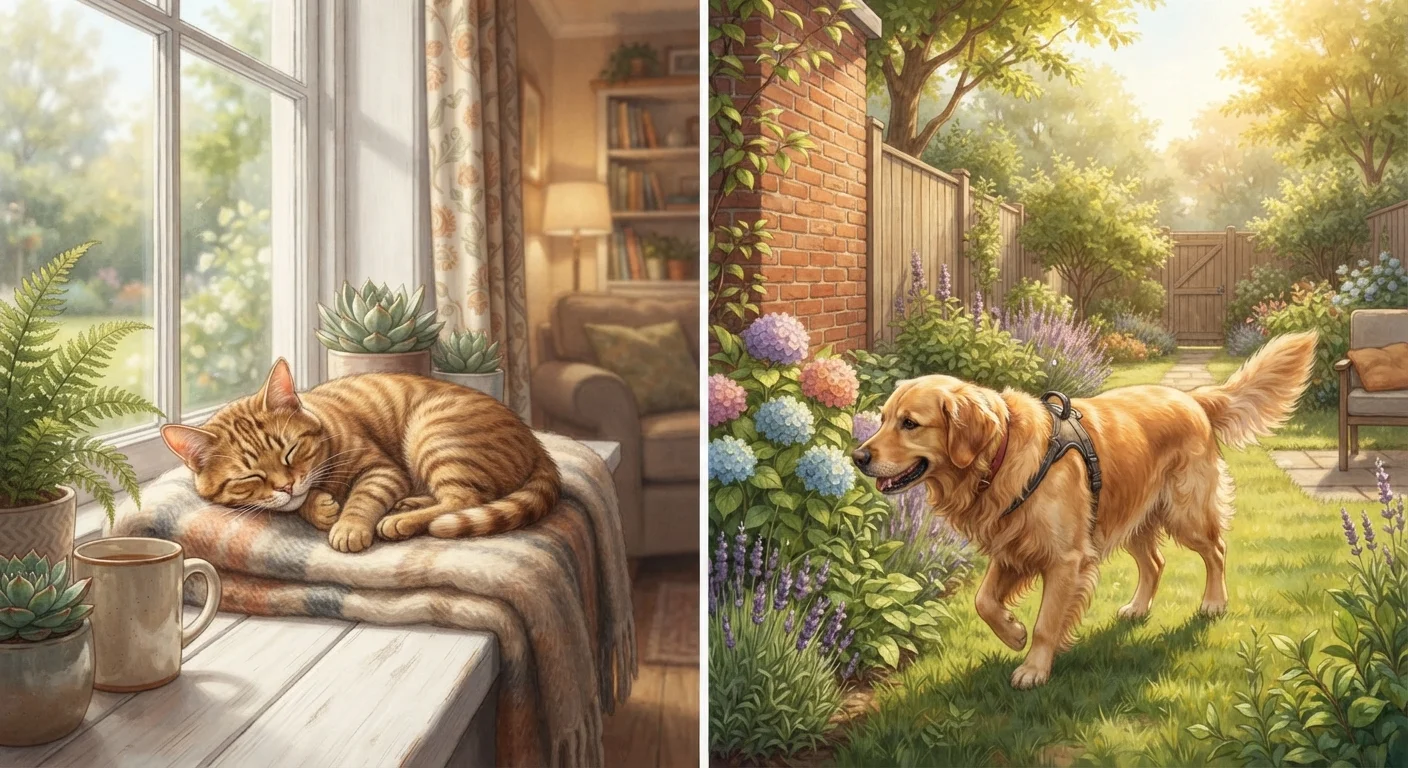
Photo: InsightsVilla.com | Quick Search. Right Info editorial
Key Takeaways
- Indoor pets face lower exposure to parasites and predators but need deliberate enrichment to prevent boredom.
- Outdoor pets burn more calories and require more frequent parasite prevention and veterinary monitoring.
- Grooming demands differ significantly - outdoor animals pick up more debris, pests, and moisture.
- Neither lifestyle eliminates health risk; each introduces a distinct set of concerns owners must manage.
- A pet's lifestyle should be matched to its species, breed temperament, and the owner's capacity to meet its needs.
How Living Environment Changes a Pet's Health Risk Profile
Where a pet spends most of its time is one of the strongest predictors of which health threats it will face. Indoor pets are shielded from many outdoor hazards - car traffic, predator encounters, and direct contact with wild animals - but they're not risk-free. Sedentary indoor life contributes to obesity in cats and dogs, and weight gain can compound into serious conditions like diabetes and joint disease over time.
Outdoor pets, meanwhile, face a wider range of infectious and parasitic threats. Fleas, ticks, heartworm-carrying mosquitoes, and intestinal parasites are all more likely exposures for animals spending time in grass, soil, and contact with wildlife. Many owners underestimate this: common beliefs about indoor pets not needing parasite prevention can leave animals unprotected even when they only go outside briefly.
| Criterion | Indoor Pets | Outdoor Pets |
|---|---|---|
| Parasite exposure | Lower, but not zero | Significantly higher |
| Injury/trauma risk | Low | Higher (traffic, predators) |
| Caloric needs | Lower (less activity) | Higher (more movement) |
| Grooming frequency | Routine maintenance | More frequent, reactive |
| Enrichment effort required | High - must be deliberate | Partly met by environment |
| Obesity risk | Higher without monitoring | Lower in active animals |
| Infectious disease risk | Lower | Higher (wildlife contact) |
Veterinary check-up frequency is often appropriately higher for outdoor pets, and your vet is the right person to determine what screening and prevention schedule fits your animal's specific exposure level.
Diet and Caloric Needs: Why Activity Level Is the Key Variable
An outdoor dog covering several miles per day has meaningfully different caloric requirements than an indoor dog whose main exercise is a short walk. Overfeeding a low-activity indoor pet - even with a high-quality food - is one of the most common ways weight problems develop quietly over months. Underfeeding a heavily active outdoor working dog creates the opposite problem: muscle loss and fatigue.
The baseline principle is simple: caloric intake should match energy expenditure. For indoor pets especially, portion discipline matters more because incidental activity is limited. For animals with outdoor access, food needs may shift seasonally - cold weather increases caloric demands in dogs spending time outdoors. Understanding the trade-offs between wet and dry diets can also help owners fine-tune nutrition for their pet's lifestyle. Always consult your veterinarian before making significant changes to your pet's feeding plan.
2-5 yrs
Lifespan advantage for indoor-only cats
Research published in veterinary literature suggests indoor cats live several years longer on average than outdoor or indoor-outdoor cats, largely due to reduced trauma and disease exposure.
~59%
U.S. cats and dogs estimated overweight or obese
According to the Association for Pet Obesity Prevention's annual surveys, more than half of domestic cats and dogs in the U.S. carry excess weight, with sedentary indoor lifestyles as a contributing factor.
Grooming Demands and Coat Maintenance
Outdoor pets accumulate what indoor pets simply don't: mud, burrs, pollen, moisture, and parasites. A dog that spends time in wooded or grassy areas will need post-outing checks for ticks and debris, more frequent bathing, and closer monitoring of skin condition. Moisture trapped in coat folds or around ears can create conditions favorable to yeast or bacterial skin infections.
Indoor pets generally need less reactive grooming, but routine maintenance is still essential. Cats that never go outside still shed, develop hairballs, and need nail trimming. Dogs in climate-controlled environments may actually have coats that grow faster without natural wear. For practical, low-stress techniques, grooming at home without stressing your pet covers brushing, nail care, and ear cleaning in a way that keeps sessions calm for both owner and animal.
Enrichment: Bridging the Gap Between Environment and Instinct
This is where indoor pet care demands the most intentionality. Outdoor animals receive natural mental stimulation - new scents, varied terrain, changing weather, and unpredictable encounters. Indoor pets don't have this by default, and without structured enrichment, behavioral problems can emerge. Understanding what boredom looks like in pets helps owners catch under-stimulation before it turns into destructive habits or anxiety.
Puzzle feeders, rotating toys, window perches for cats, and scheduled training sessions all help replicate the cognitive load that outdoor environments provide naturally. For dogs in particular, nose work and scent games tap into instincts that outdoor roaming would otherwise satisfy. Building these habits into a daily routine is the most sustainable approach for long-term behavioral health.
Outdoor pets still benefit from human interaction and structured play - environmental complexity alone doesn't replace bonding or training.
The content on this site is for informational purposes only and is not a substitute for professional advice. Always consult a qualified professional for guidance specific to your situation.