
Veterinary Visits That Owners Often Skip (and Shouldn't)

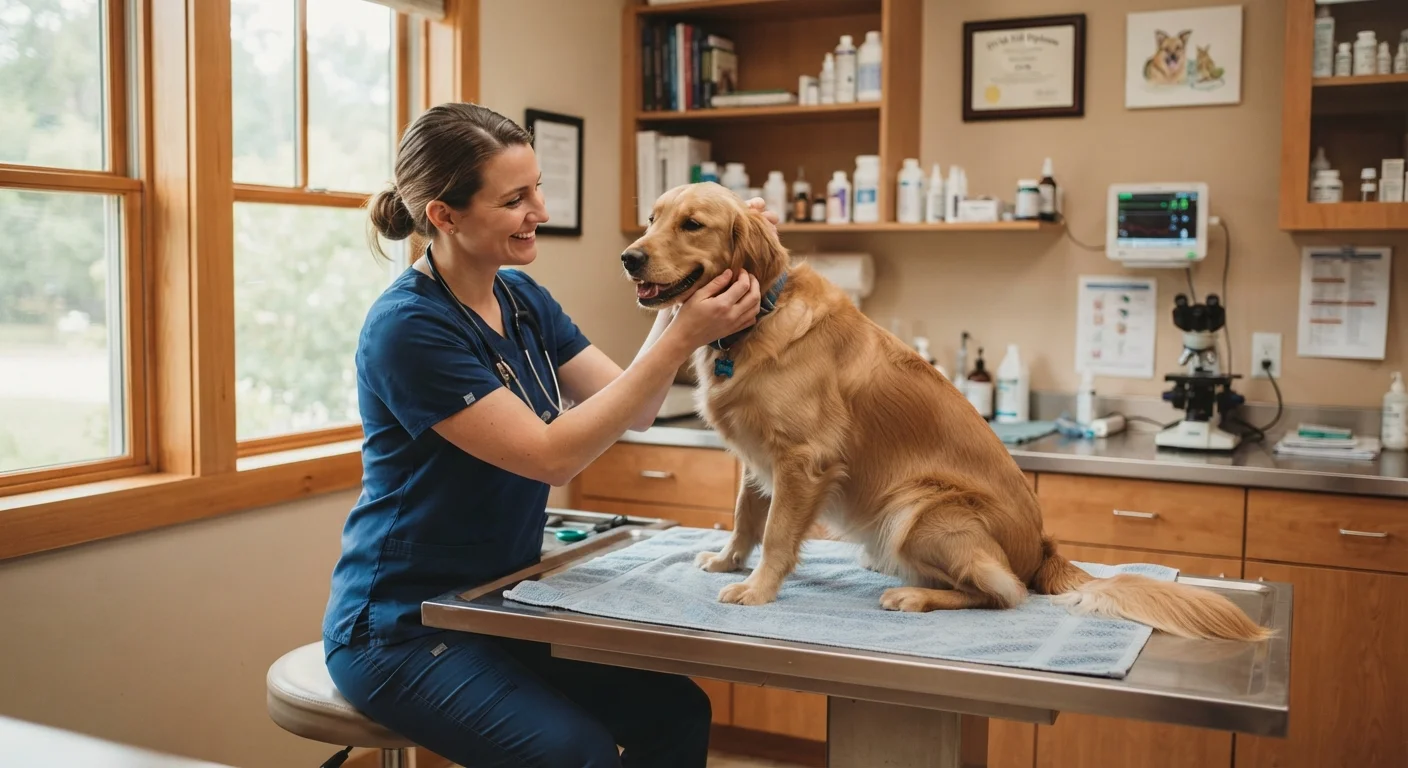
Photo: InsightsVilla.com | Quick Search. Right Info editorial
Key Takeaways
- Dental exams are often skipped but periodontal disease affects most adult pets by age three.
- Senior pets need more frequent screenings because age-related conditions develop quickly and quietly.
- Parasite prevention checks matter year-round, even for pets that rarely go outdoors.
- Skipping routine visits doesn't save money long-term - early detection almost always costs less than treatment.
- Annual wellness exams are the foundation of preventive care, even when a pet appears healthy.
Why Routine Visits Get Postponed
Most pet owners genuinely care about their animals' wellbeing. So why do so many routine vet appointments fall through the cracks? The reasons are predictable: pets seem fine, schedules are packed, and the visit feels optional when nothing obvious is wrong. But veterinary care works differently from human medicine in one critical way - pets can't describe symptoms. By the time a problem becomes visible, it has often been progressing for months.
Understanding which specific visits owners most commonly delay - and what's actually at stake - makes it easier to prioritize them. If you're also managing costs, our guide on caring for a pet on a tight budget covers realistic strategies that don't require skipping preventive care entirely.
The Appointments Most Often Skipped
Skipping annual wellness exams because the pet 'seems healthy.'
Delaying or entirely skipping professional dental cleanings.
Neglecting senior screening bloodwork and urinalysis.
Assuming indoor pets don't need parasite prevention check-ins.
Postponing a vet visit after bringing a new pet home.
For a broader picture of what vets actually cover during a standard checkup, see our overview of annual wellness visits.
What the Data Tells Us
80%
Dogs with dental disease by age three
The American Veterinary Medical Association has noted that the majority of dogs show signs of periodontal disease by their third birthday, often without visible symptoms.
70%
Cats affected by dental disease by age three
Veterinary dental organizations estimate that roughly seven in ten cats develop some degree of periodontal disease by age three, making it one of the most prevalent preventable conditions in feline medicine.
1 in 3
Pet owners who skip annual vet visits
Surveys conducted by veterinary associations consistently find that a significant proportion of pet owners do not bring their animals in for annual wellness exams, often citing cost or the pet appearing healthy.
These numbers underscore a consistent pattern: owners underestimate how quickly subclinical conditions - those without obvious outward signs - progress in companion animals. Cats, in particular, are skilled at masking discomfort, making professional assessment especially important. Senior pets face compounding risks; conditions like kidney disease, hyperthyroidism in cats, and arthritis in dogs can all be managed more effectively when caught early through routine bloodwork and physical exams. Our pet health timeline for the first year outlines when these baseline screenings should begin.
A Word on Dental and Parasite Care
Dental Disease Is a Whole-Body Issue
Dental disease is the single most commonly diagnosed health problem in adult dogs and cats, yet most owners report their pet has never had a professional dental cleaning. For a deeper look at why this happens and what prevention actually involves, read our article on dental health in dogs and cats.
Parasite prevention carries similar misconceptions. Many owners assume indoor pets are safe or that a single annual dose covers all risks. Our piece on parasite prevention myths addresses these beliefs directly. A vet visit to review your current prevention plan is worthwhile even if your pet seems symptom-free.
Delaying Care Rarely Saves Money
Building a Visit Schedule That Actually Sticks
The most practical approach is to treat vet visits the same way you treat other recurring obligations - put them on the calendar before they feel urgent. For most adult pets, one annual wellness exam is the minimum. Senior pets (generally dogs over seven and cats over ten) often benefit from biannual checkups. New pets should follow the checklist outlined in our guide on bringing a new pet home.
Between visits, daily care routines - consistent feeding, exercise, dental hygiene at home, and behavioral monitoring - help you notice when something seems off. That awareness, combined with scheduled professional exams, gives your pet the strongest foundation for a long, healthy life.
This article is for general informational purposes only and is not a substitute for professional veterinary advice. Always consult a licensed veterinarian regarding your pet's specific health needs.
The content on this site is for informational purposes only and is not a substitute for professional advice. Always consult a qualified professional for guidance specific to your situation.