
The Daily Care Routines That Keep Pets Healthy Long-Term

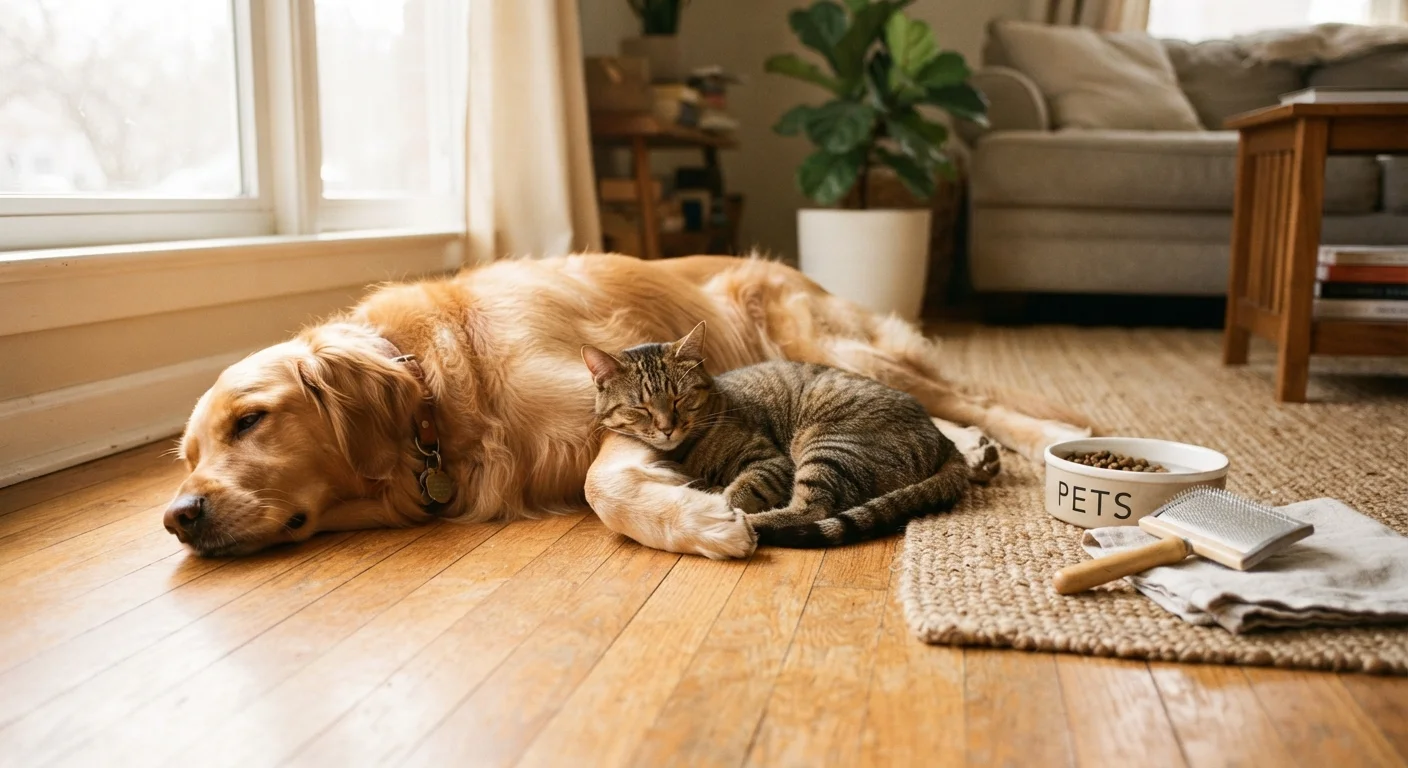
Photo: InsightsVilla.com | Quick Search. Right Info editorial
Key Takeaways
- Consistent feeding schedules help regulate digestion and support a healthy weight in dogs and cats.
- Daily physical and mental stimulation prevents behavioral problems and slows cognitive decline.
- Regular at-home grooming catches health changes early and reduces costly veterinary interventions.
- Preventive habits - not just reactive care - are the most reliable path to a longer pet lifespan.
Why Daily Routines Matter More Than You Think
Most pet owners focus on major health events - vaccinations, illness, injury - and overlook the quiet power of everyday habits. Veterinary and animal behavior experts broadly agree that consistent daily care is one of the strongest predictors of long-term pet health. Small, repeated actions compound over months and years, reducing the likelihood of preventable conditions from obesity to dental disease to anxiety.
Whether you have a dog, cat, rabbit, or small animal, the core principle is the same: routine creates stability, and stability supports health. This guide walks through the key daily practices that make the biggest difference - and why each one earns its place in your schedule.
Feeding: Consistency, Portions, and the Weight Connection
Feeding your pet at the same times each day does more than satisfy hunger. It regulates digestion, signals predictability that reduces stress, and makes it far easier to notice when appetite changes - an early sign of illness in many animals.
Portion control is equally critical. Overfeeding is one of the most common mistakes pet owners make, and excess weight quietly damages joints, strains the heart, and shortens lifespan. For a deeper look at how this happens, see our article on how pet obesity develops.
Ask Your Vet About Portion Size
Your veterinarian is the best resource for determining the right caloric intake for your specific pet based on age, breed, and activity level. Feeding guidelines on packaging are general starting points, not personalized prescriptions.
Exercise and Mental Stimulation: Two Sides of the Same Coin
Physical activity keeps muscles strong, joints mobile, and weight in check - but mental engagement is just as important and often underestimated. Dogs deprived of mental stimulation frequently develop destructive behaviors like chewing or excessive barking. Cats without environmental enrichment can become lethargic or anxious.
Establish fixed meal times and measure portions at every feeding
Build a daily exercise routine matched to your pet's age and breed
Provide at least one mental enrichment activity each day
Do a brief hands-on health check during each grooming session
Maintain fresh water access and clean food and water bowls daily
The right amount and type of exercise varies by species, breed, and age. A senior dog needs gentler, shorter walks than a young working breed. Indoor pets have different enrichment needs than outdoor ones - a distinction explored in our guide on indoor vs. outdoor pet care.
Grooming, Observation, and Catching Problems Early
Daily or near-daily grooming is not just cosmetic - it's a health checkpoint. Running a brush through your pet's coat gives you a chance to feel for lumps, skin irritation, or parasites that might otherwise go unnoticed for weeks. Ear checks, eye discharge, and nail length are all part of the picture.
Learning to groom calmly and consistently also reduces your pet's stress over time, making the experience positive for both of you. Our guide on grooming at home without stressing your pet covers practical techniques for keeping animals cooperative.
Daily Care Supports - But Doesn't Replace - Vet Visits
At-home care complements professional veterinary visits - it does not replace them. Even a healthy-looking pet benefits from annual wellness exams. Routine screenings catch issues that aren't visible to owners, including dental disease, which affects the majority of pets over age three.
This article is for general informational purposes only and does not constitute veterinary advice. Always consult a licensed veterinarian for guidance specific to your pet's health needs.
The content on this site is for informational purposes only and is not a substitute for professional advice. Always consult a qualified professional for guidance specific to your situation.