
Sodium in the American Diet: What the Numbers Mean for Everyday Eating

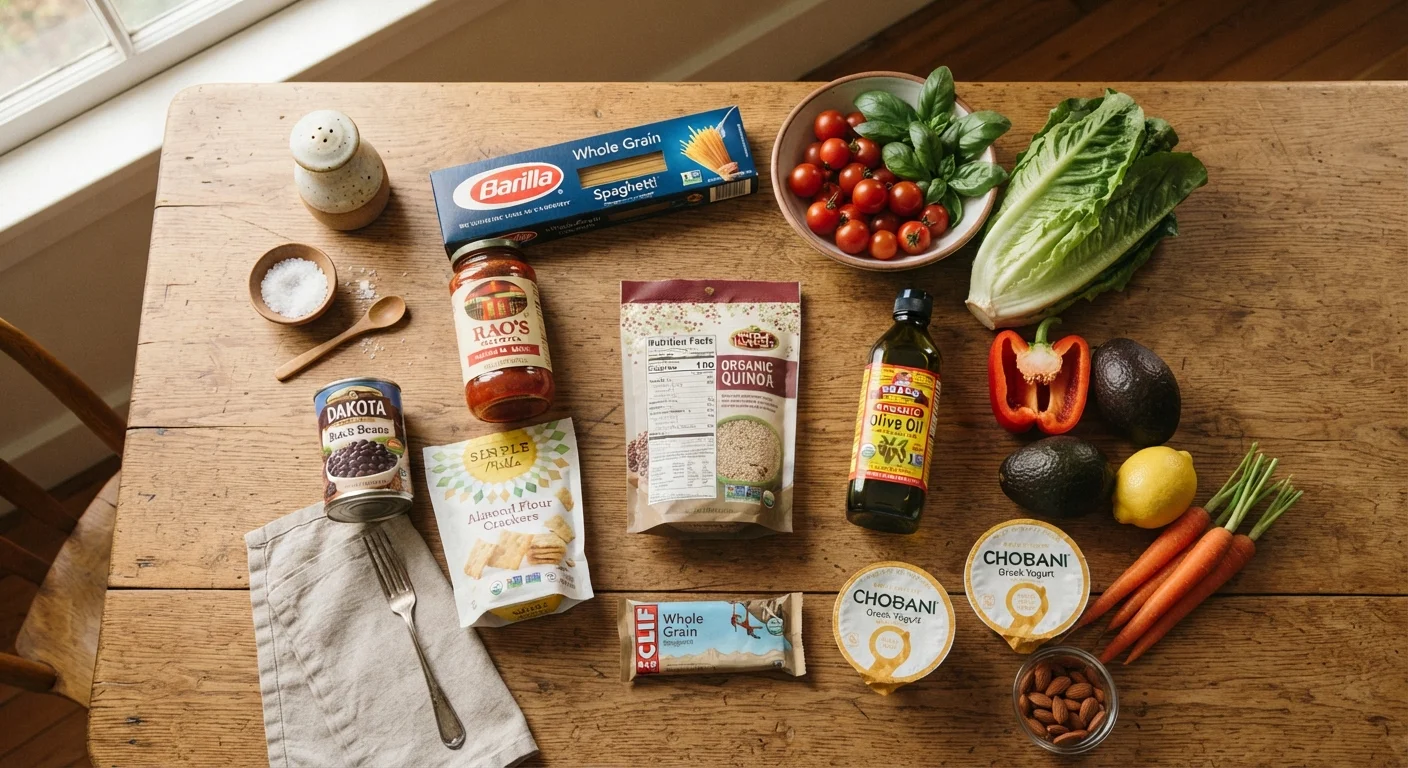
Photo: InsightsVilla.com | Quick Search. Right Info editorial
Key Takeaways
- Most Americans consume well above the 2,300 mg daily sodium benchmark set by public health guidelines.
- Roughly 70% of dietary sodium comes from processed, packaged, and restaurant foods - not the salt shaker.
- Nutrition labels list sodium per serving, so portion size dramatically affects how much you're actually consuming.
- Sodium is an essential mineral; the concern is chronic overconsumption, not occasional high-sodium meals.
- Learning to read labels is one of the most practical tools for understanding your actual sodium intake.
The Numbers Behind America's Sodium Intake
According to data from the U.S. Centers for Disease Control and Prevention (CDC), the average American adult consumes around 3,400 mg of sodium per day - nearly 50% more than the 2,300 mg benchmark in the Dietary Guidelines for Americans. That gap matters not because any single salty meal is a crisis, but because sustained high intake is what public health researchers study in relation to cardiovascular and kidney health outcomes.
It's worth understanding what that benchmark actually represents. The 2,300 mg figure isn't a hard biological ceiling - it's a practical reference point that public health bodies use to frame general population guidance. Individual needs vary based on factors like age, activity level, and health status. Your doctor or a registered dietitian is the right person to put any number in personal context.
3,400 mg
Average daily sodium intake for U.S. adults
According to the CDC, this is roughly 48% above the 2,300 mg daily benchmark in the Dietary Guidelines for Americans.
~70%
Share of sodium from packaged and restaurant foods
The CDC estimates that most dietary sodium comes from processed and prepared foods, not home cooking or table salt.
2,300 mg
Daily sodium reference point for general adults
This figure, equivalent to about one teaspoon of salt, is used as the benchmark in the U.S. Dietary Guidelines for Americans.
Where Sodium Hides - and Why the Salt Shaker Isn't the Main Story
A common assumption is that cutting back on added salt at the table is the primary way to manage sodium intake. In reality, the CDC estimates that about 70% of the sodium Americans consume comes from packaged and restaurant foods - before anyone reaches for a shaker. Foods like bread, deli meats, canned soups, pizza, and savory snacks are among the leading contributors, and many of them don't even taste particularly salty.
Why? Because food manufacturers use sodium not only as a flavor enhancer but also as a preservative, a texture agent, and a fermentation regulator. Ingredients like sodium benzoate, disodium phosphate, and monosodium glutamate (MSG) all contribute to total sodium count even when salt isn't prominently listed. For a deeper look at the real sources, see our guide on where dietary sodium actually comes from.
How to Actually Read a Sodium Label
The Nutrition Facts label is the clearest window into a food's sodium content, but only if you know what to look at. Two numbers matter most: the milligrams of sodium and the serving size. Both appear on every U.S. label by law.
The key mistake most people make is ignoring the serving size. A can of soup might list 890 mg of sodium - but if the label defines a serving as half a can and you eat the whole thing, your actual intake is 1,780 mg from that one item alone. The % Daily Value (% DV) column gives you a quick snapshot: 5% DV or less is generally considered low; 20% DV or more is considered high. Our plain-language Nutrition Facts label guide walks through every number on the panel in detail.
Quick Label Habit Worth Building
Also useful: ingredient lists. Sodium-containing additives often appear by chemical name, not as "salt." Our guide on reading an ingredient list explains how to spot them.
Putting Sodium in Context With Overall Diet Quality
Sodium doesn't exist in isolation on your plate. A diet rich in potassium - found in vegetables, legumes, and many whole foods - interacts with sodium in the body in ways that nutritional scientists continue to study. This is one reason why public health guidance tends to emphasize overall dietary patterns rather than single-nutrient fixation.
Thinking about nutrient density is a useful companion lens: a food high in sodium but also dense in other nutrients occupies a different place in the diet than an ultra-processed snack that delivers sodium alongside little else of nutritional value. Similarly, staying well-hydrated supports the kidneys in maintaining fluid and mineral balance.
Sodium Needs Aren't One-Size-Fits-All
This article is for general informational purposes only and is not medical or dietary advice. For personal health guidance - especially if you have a condition like high blood pressure or kidney disease - please consult a qualified healthcare professional.
Frequently Asked Questions
The content on this site is for informational purposes only and is not a substitute for professional advice. Always consult a qualified professional for guidance specific to your situation.