
Sodium in the American Diet: Where It Actually Comes From

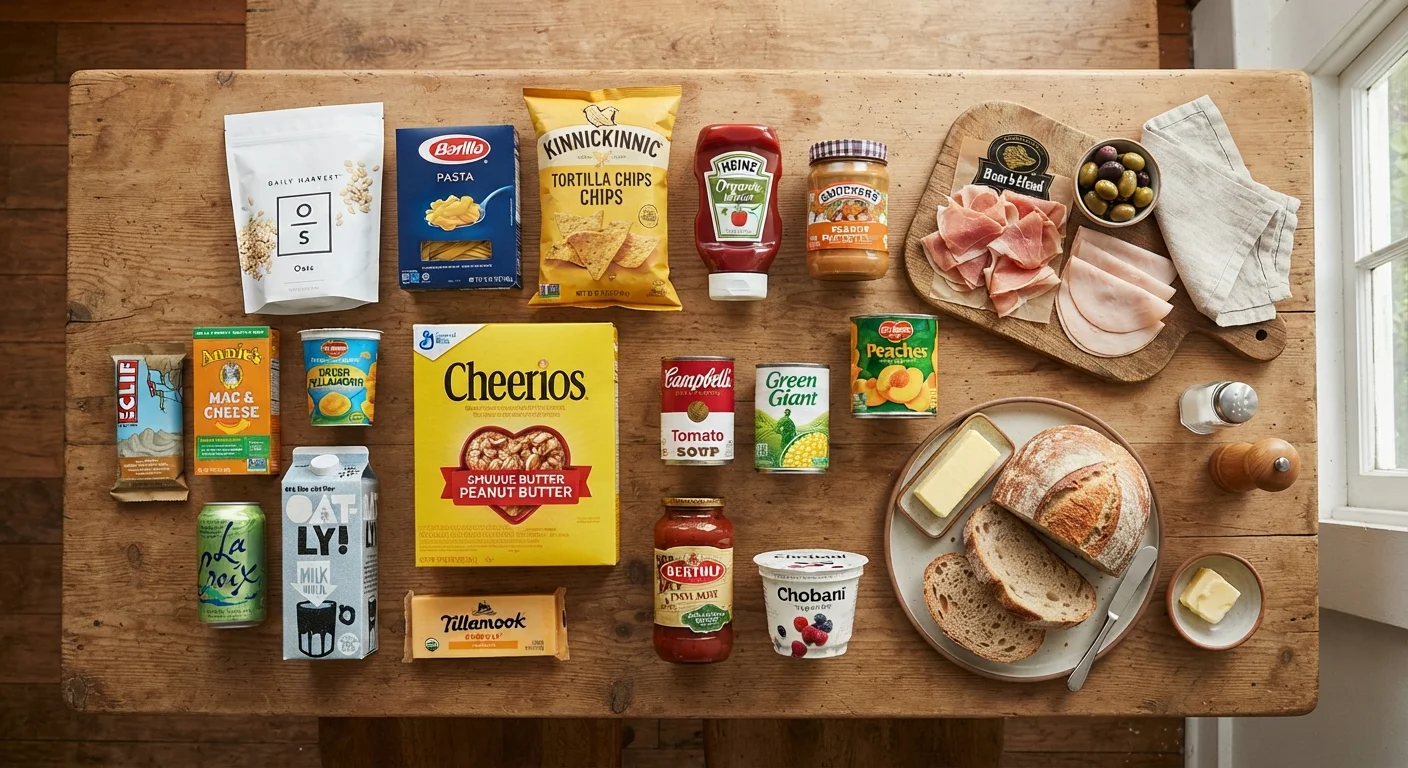
Photo: InsightsVilla.com | Quick Search. Right Info editorial
Key Takeaways
- Roughly 70% of American sodium intake comes from packaged and restaurant foods, not home cooking.
- Bread, cured meats, and canned soups are among the largest contributors - not just obviously salty snacks.
- Sodium can accumulate quickly across a day even when individual foods seem low in salt.
- Reading the Nutrition Facts label is the most reliable way to track sodium in packaged foods.
- Cooking more meals at home gives you greater control over total sodium without eliminating flavor.
The Salt Shaker Isn't the Problem
Most people trying to reduce sodium instinctively reach for the salt shaker less. That's a reasonable instinct - but it targets only a small fraction of the sodium most Americans actually consume. Research consistently shows that roughly 70% of dietary sodium in the U.S. comes from commercially processed and restaurant-prepared foods, not from salt added during home cooking or at the table.
This matters because it changes where attention is most useful. Skipping the shaker while eating a fast-food sandwich, canned soup, and deli turkey across the day may have far less impact than understanding which food categories carry the heaviest sodium loads.
~70%
Share of sodium from processed and restaurant foods
According to the U.S. Centers for Disease Control and Prevention, the vast majority of dietary sodium comes from commercially prepared foods, not home cooking or table salt.
3,400 mg
Average daily sodium intake for U.S. adults
The CDC estimates that American adults consume an average of around 3,400 mg of sodium per day, well above the 2,300 mg reference level in the Dietary Guidelines for Americans.
~40%
Sodium content of table salt by weight
Table salt (sodium chloride) is approximately 40% sodium by weight, which is why food labels report sodium rather than salt to give a more precise measure.
The Biggest Sodium Sources in the American Diet
The U.S. Centers for Disease Control and Prevention has identified a consistent group of food categories that contribute the most sodium to American diets. These include:
- Breads and rolls - A top source not because any single slice is dramatically salty, but because most people eat bread multiple times daily.
- Pizza - Combines high-sodium dough, sauce, cheese, and cured meat toppings.
- Sandwiches and burgers - Layered sodium from bread, deli meats, condiments, and cheese.
- Cold cuts and cured meats - Sodium is used both for preservation and flavor.
- Canned soups and broths - A single serving can contain a substantial portion of what guidelines suggest for a full day.
- Snacks - Chips, crackers, and pretzels are obvious, but savory snack mixes and flavored nuts also contribute.
- Poultry - Many commercially sold chicken products are injected with sodium-containing solutions to retain moisture.
What makes this list instructive is that several of these items - bread, canned goods, deli meats - are everyday staples that don't announce themselves as high-sodium foods the way a bag of chips does.
How Sodium Accumulates Across a Day
Sodium intake is rarely about a single food; it's about accumulation. Consider a fairly ordinary day of eating: toast with eggs at breakfast, a turkey sandwich at lunch, a bowl of canned tomato soup in the afternoon, and a restaurant pasta dish at dinner. Each meal seems moderate, but together they can easily surpass the 2,300 mg that the Dietary Guidelines for Americans cite as a general reference point for adults.
This pattern explains why sodium is so difficult to manage without paying attention to labels. For a deeper look at what those numbers actually mean in context, see what sodium numbers mean for everyday eating.
Sodium Isn't the Only Variable to Track
It's also worth noting that sodium intake connects to overall dietary patterns. Diets high in processed foods tend to be lower in other nutrients - including dietary fiber, which most Americans also fall short on.
Practical Ways to Identify Hidden Sodium
Because sodium is embedded in so many foods before they reach you, the most effective tool is the Nutrition Facts label. The label lists sodium in milligrams per serving, and it includes a percent Daily Value (%DV) based on 2,300 mg. A food with 20% DV or more per serving is considered high in sodium; 5% DV or less is considered low.
Use %DV to Quickly Spot High-Sodium Foods
A few other practical habits can help:
- Compare sodium across similar products - brands of the same item can vary widely.
- When rinsing canned beans or vegetables under water, some research suggests this can reduce sodium content modestly, though not eliminate it.
- Home cooking gives you direct control, since you decide what goes in. Even dishes that feel flavorful don't require the sodium levels common in commercially prepared equivalents.
Understanding where sodium comes from - not just how much you consume - is the foundation for making choices that fit your lifestyle. For context on how food contributes to overall nutrition beyond sodium, hydration from food is another dimension of the diet worth understanding.
This article is for general informational and educational purposes only and is not a substitute for professional medical or dietary advice. Consult a qualified healthcare provider for guidance specific to your health situation.
Frequently Asked Questions
The content on this site is for informational purposes only and is not a substitute for professional advice. Always consult a qualified professional for guidance specific to your situation.