
Building a Balanced Plate Without Following a Specific Diet

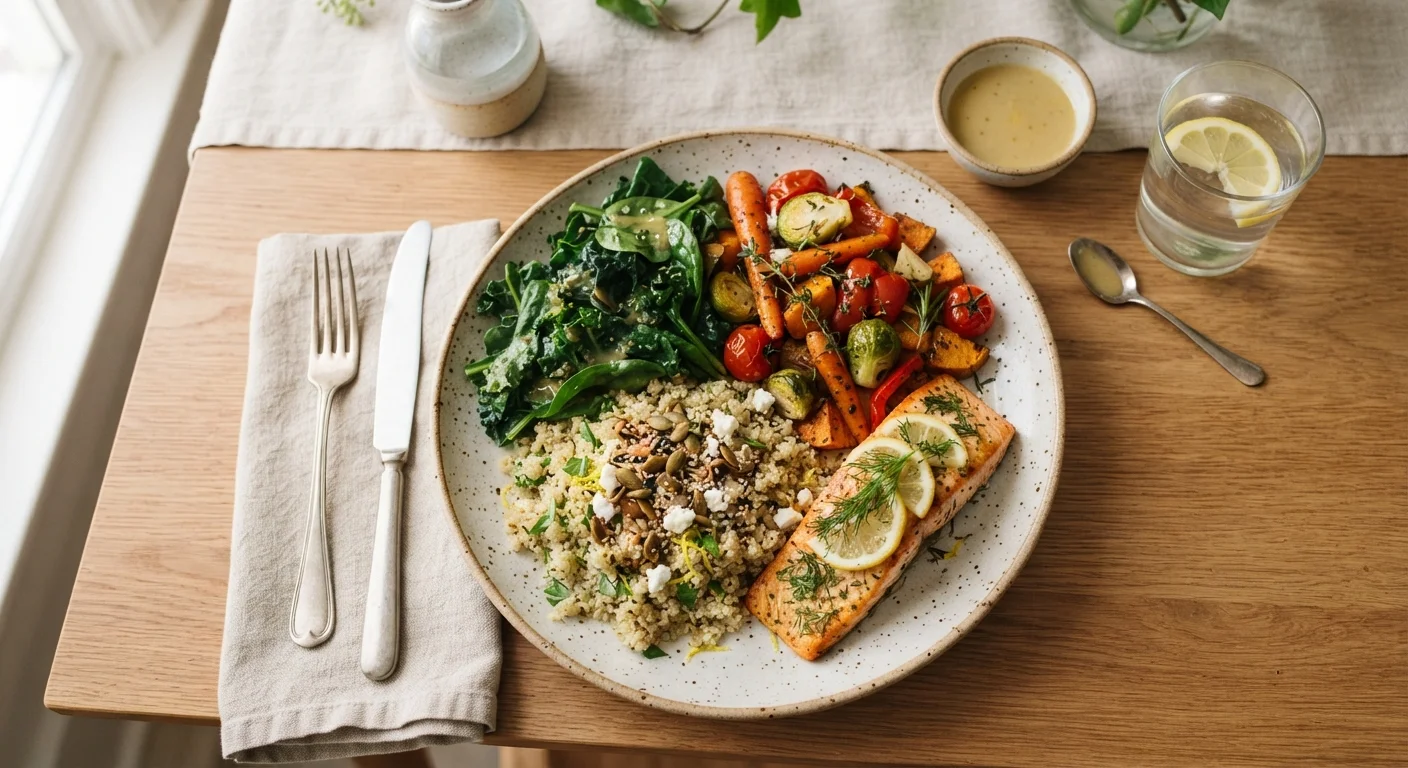
Photo: InsightsVilla.com | Quick Search. Right Info editorial
Key Takeaways
- You don't need a named diet to eat well - simple proportions and food variety go a long way.
- Filling half your plate with vegetables and fruit is one of the most evidence-supported moves you can make.
- Whole grains, quality protein, and healthy fats each serve distinct roles in a satisfying, nutritious meal.
- Small, consistent habits matter more than occasional perfection or strict dietary rules.
- General nutrition principles leave room for cultural food traditions, personal preferences, and real life.
Why You Don't Need a Diet Label to Eat Well
Named diets - keto, paleo, Mediterranean, Whole30 - can be useful starting points, but they're not the only path to eating well. In fact, the core principles behind most evidence-backed eating patterns have a lot in common: plenty of vegetables, minimally processed foods, adequate protein, and reasonable portions. You can apply those principles without pledging allegiance to any single plan.
This approach also has a practical advantage. When no single diet is in charge, you're free to adapt meals to your household, your budget, and your cultural food traditions. That flexibility tends to support consistency - and consistency is what actually produces long-term results. For a deeper look at what nutrition science says a genuinely balanced meal should contain, see what a balanced plate actually looks like.
This article is for general informational purposes only and is not a substitute for personalized medical or dietary advice. Consult a qualified healthcare professional or registered dietitian for guidance specific to your health needs.
Core Practices for a Genuinely Balanced Plate
These principles are drawn from well-established nutrition research and are flexible enough to fit almost any eating style or food culture. They're not rules - think of them as reliable defaults.
Fill at least half your plate with vegetables and fruit at every main meal.
Choose whole or minimally processed grains as your carbohydrate base.
Include a quality protein source at each meal.
Incorporate sources of healthy unsaturated fats without avoiding fat altogether.
Drink water as your primary beverage and be mindful of liquid calories.
Quick Wins You Can Apply at Your Next Meal
You don't have to overhaul your pantry or rethink every recipe. These small, targeted changes can shift the nutritional quality of your meals right away.
If you're thinking about how these habits carry over into how you shop, grocery shopping habits that support better nutrition offers practical guidance. And if meal timing is a challenge, a realistic weeknight meal prep framework can help you get ahead without the Sunday-marathon approach.
Putting It All Together
Building a balanced plate is less about following rules and more about building reliable habits. Over time, small, consistent choices - more vegetables here, a whole grain swap there - tend to add up more meaningfully than any short-term protocol.
~90%
Americans not meeting vegetable intake recommendations
According to the U.S. Dietary Guidelines Advisory Committee, the vast majority of Americans fall short of recommended vegetable and fruit intake.
3-4×
More fiber in whole grains vs. refined grains
Whole grains can contain three to four times the dietary fiber of their refined counterparts, according to general nutritional composition data.
If you're curious about specific food patterns without committing to a full dietary overhaul, plant-based eating as a starting framework shows how to shift the balance of your diet gradually. And if you've come across nutrition claims that sound questionable, it's worth checking them against popular nutrition myths that keep circulating online. Good nutrition doesn't have to be complicated - it just has to be consistent.
The content on this site is for informational purposes only and is not a substitute for professional advice. Always consult a qualified professional for guidance specific to your situation.