
Wireless Charging, Fast Charging, and USB-C: What the Labels on Your Charger Really Mean

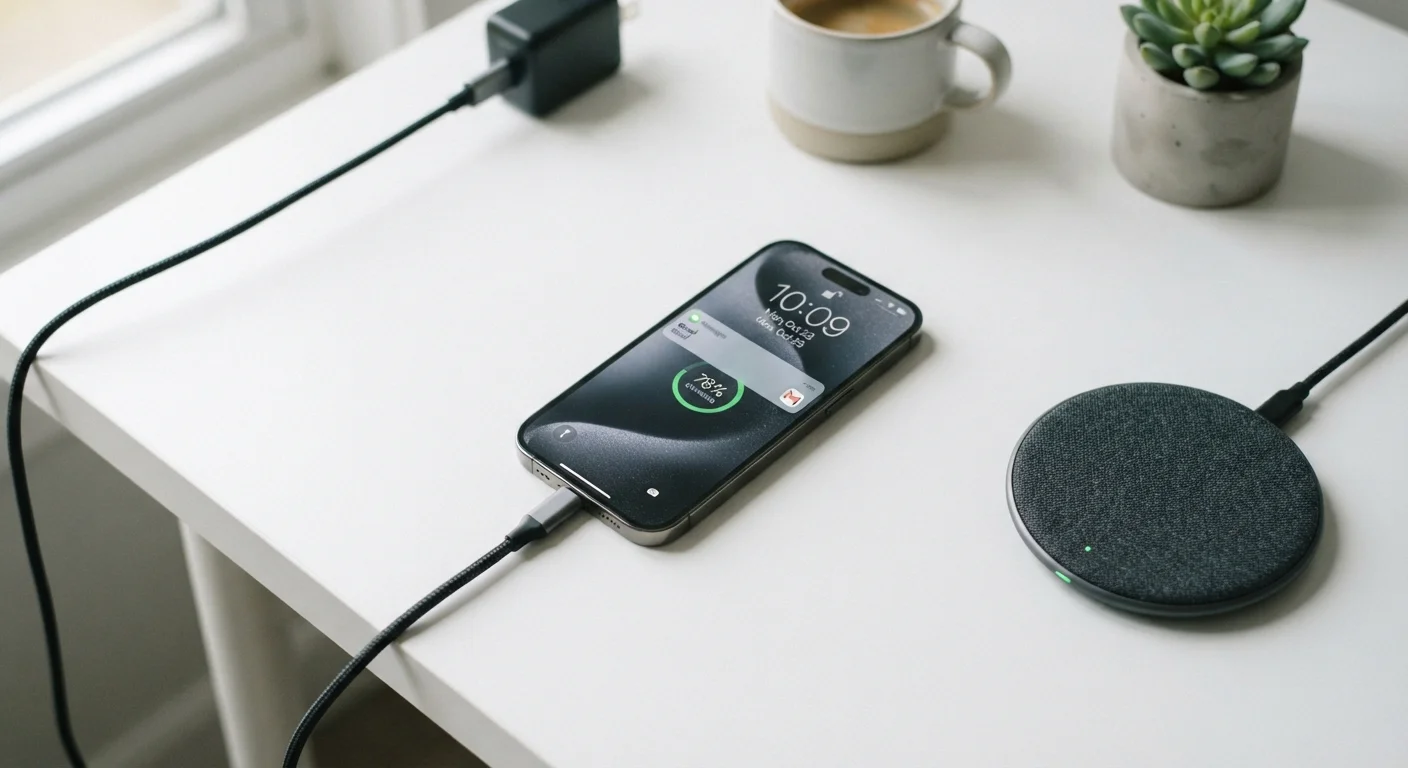
Photo: InsightsVilla.com | Quick Search. Right Info editorial
Key Takeaways
- USB-C describes a connector shape, not a charging speed - speed depends on the underlying charging standard.
- Fast charging only works when both your phone and your charger support the same standard.
- Wireless charging is generally slower than wired fast charging but has improved significantly in recent years.
- Using a charger with higher wattage than your phone supports is safe - your phone will only draw what it needs.
- Battery longevity can be affected by charging habits, not just the charger you use.
USB-C: A Connector, Not a Speed Promise
Walk into any electronics aisle and you'll find chargers advertising USB-C as though it were a feature. It is - but not in the way most people assume. USB-C simply refers to the shape of the connector: the small, oval plug that can be inserted either way up. It says nothing about how fast charging happens.
The speed of a USB-C charger depends on the protocol running through that cable. The most common open standard is USB Power Delivery (USB-PD), which can support anywhere from 5W to well over 100W depending on the cable and charger. Some manufacturers also layer their own proprietary protocols on top - meaning a charger from one brand may not deliver fast-charging speeds when plugged into a different brand's phone.
The practical takeaway: when a charger box says "USB-C," look past the connector and check the wattage and protocol listed on the label. That's what will actually determine how fast your phone charges. For a broader look at how these technical specs fit together, see our plain-English breakdown of phone specs.
5-10W
Typical output of a basic wall charger
Standard USB-A chargers commonly found in older phone boxes or budget accessories deliver this range.
15W
Maximum standard Qi wireless charging speed
The Wireless Power Consortium's Qi standard supports up to 15W for certified devices, though many pads charge at lower rates.
100W+
Peak wired fast charging on some flagship phones
Certain flagship smartphones from various manufacturers support wired fast charging in excess of 100W using proprietary standards.
Fast Charging: What the Wattage Numbers Really Tell You
"Fast Charging" is a marketing umbrella that covers multiple competing technologies. Qualcomm's Quick Charge, USB Power Delivery, and various proprietary systems from phone manufacturers all qualify as fast charging - but they aren't interchangeable at full speed.
The key figure on any charger label is wattage (W). A standard wall charger might deliver 5-10W. A fast charger typically starts at 18W and can exceed 65W for flagship phones. More watts means more energy delivered per minute, which shortens charging time - but only up to your phone's supported limit.
Here's the catch: fast charging requires a handshake. Your phone and charger must both speak the same protocol. If your phone supports Qualcomm Quick Charge 4+ but your charger only supports USB-PD, they'll negotiate down to a speed both can agree on. You'll still charge - just not as fast as the hardware theoretically allows.
Check Your Phone's Max Charging Wattage First
It's also worth knowing that fast charging generates more heat than standard charging, and sustained heat is one of the factors that can shorten battery lifespan over time. Our article on smart charging habits that extend battery life covers this in practical detail.
Wireless Charging: Convenience vs. Speed
Wireless charging - officially called inductive charging - works by transferring energy through electromagnetic coils. Place your phone on a compatible pad, and energy flows without any physical connection. The dominant standard for consumer phones is Qi (pronounced "chee"), maintained by the Wireless Power Consortium. Most major Android phones and iPhones use it.
The convenience trade-off is speed. Standard Qi pads typically deliver 5-15W, which is noticeably slower than a wired fast charger at 25W or higher. Some phones support faster wireless speeds - some flagships support 15W, 30W, or higher - but these often require a first-party or certified charging pad to reach those rates.
Wireless charging also produces more heat than wired charging due to the inefficiency of energy transfer through the air. If you're curious whether leaving your phone charging overnight (wired or wireless) actually hurts your battery, the truth about overnight charging separates myth from fact.
Reading the Label: A Practical Checklist
When evaluating any charger, here's what to actually look for on the box or label:
- Wattage: The maximum power output. Cross-reference with your phone's supported charging wattage.
- Protocol: USB-PD, Quick Charge (QC), or a proprietary name. Match it to what your phone supports.
- Connector type: USB-C, USB-A, or Lightning. USB-C is increasingly standard, but older phones may need adapters.
- Certifications: Look for UL Listed or equivalent safety markings, especially on third-party chargers.
If the wattage on your charger exceeds what your phone supports, don't worry - your phone's internal controller caps the intake automatically. You will not damage your phone by using a higher-wattage charger. You also won't charge any faster than your phone's maximum rate allows.
Understanding these labels is part of a larger picture of how smartphones work. For a deeper dive into the hardware side, our guide to how smartphones actually work covers everything from processors to power systems in plain language.
Third-Party Charger Safety
Frequently Asked Questions
The content on this site is for informational purposes only and is not a substitute for professional advice. Always consult a qualified professional for guidance specific to your situation.