
Reading a Nutrition Facts Label Without Getting Lost

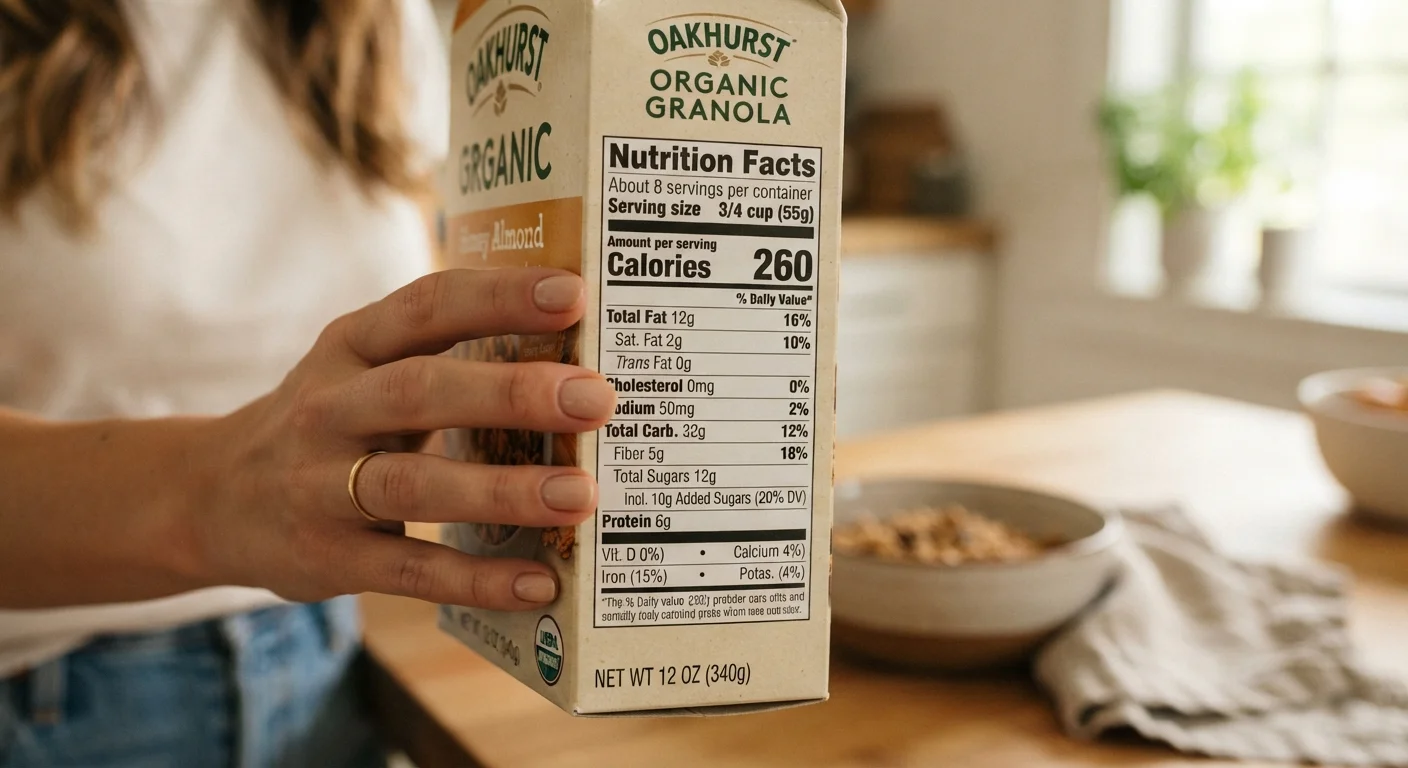
Photo: InsightsVilla.com | Quick Search. Right Info editorial
Key Takeaways
- Always check the serving size first - every number on the label is tied to it.
- % Daily Value tells you if a nutrient is high or low relative to a 2,000-calorie reference diet.
- Limit saturated fat, sodium, and added sugars; prioritize fiber, vitamins, and minerals.
- The ingredient list and the Nutrition Facts panel together give a fuller picture of what's in a food.
- Labels are comparison tools, not rigid dietary prescriptions.
Why the Label Exists - and What It Can't Do
The U.S. Nutrition Facts label is a federal disclosure required by the Food and Drug Administration (FDA) on most packaged foods. Its purpose is to give consumers standardized, comparable data - not to tell you whether a food is "good" or "bad." That distinction belongs to your overall eating pattern, your health history, and ideally a registered dietitian for individualized guidance.
Used well, the label is a genuinely useful tool. It lets you compare two similar products side by side, spot hidden sources of sodium or added sugar, and gauge whether a food contributes meaningful nutrients. Used poorly - obsessively or out of context - it can fuel anxiety rather than inform decisions. This walkthrough helps you use it well. For a deeper dive into each individual line, see The Nutrition Facts Label: Every Number Decoded.
What you will need
Walking Through the Label, Top to Bottom
The label is organized in a deliberate hierarchy. Once you recognize that structure, scanning any panel takes seconds.
Start with Serving Size
The very first line - serving size - anchors every other number on the label. If a package lists a serving size of 1 cup but you typically eat 2 cups, every calorie, fat gram, and sodium milligram doubles. Servings per container (just above the serving size) tells you how many of those portions are in the whole package.
Note the Calories
Calories are displayed in large bold type because they are a primary concern for most consumers. This number reflects the total energy per serving from all macronutrients: fat (9 calories per gram), carbohydrates (4 cal/g), and protein (4 cal/g). Calories from fat used to appear separately but were removed in the updated label because research showed the type of fat matters more than the total.
Review the Nutrients to Limit
The next section lists nutrients most Americans tend to overconsume: total fat (broken into saturated and trans fat), cholesterol, and sodium. Current dietary guidance from public health bodies generally suggests keeping saturated fat, sodium, and trans fat on the lower end. The % Daily Value column makes comparison quick - a high % DV (near or above 20%) on sodium, for example, is a useful flag.
Check Carbohydrates, Fiber, and Sugars
Total carbohydrates break into dietary fiber, total sugars, and - critically - added sugars. Dietary fiber supports digestive health and is one nutrient most Americans fall short on; a higher % DV here is a positive signal. Added sugars, now their own mandatory line, reflect sweeteners added during processing rather than those naturally present in fruit or dairy. Understanding how whole grains affect this picture is useful too - see Whole Grains vs. Refined Grains.
Look at Protein and Micronutrients
Protein does not carry a % Daily Value on the standard label (the calculation is complex and varies by age and health status). The number in grams is still useful for comparison. Below protein, the label lists four required micronutrients: vitamin D, calcium, iron, and potassium. These were selected because deficiency is common in the U.S. population. A higher % DV for these nutrients signals a meaningful contribution to daily needs.
Use % DV as a Quick-Scan Tool
Putting It in Context
A label number only means something relative to your total daily intake. The % Daily Value (% DV) column uses a 2,000-calorie reference diet - a rough average that does not apply to everyone. Still, the FDA's general rule of thumb is useful: 5% DV or less is considered low for a nutrient; 20% DV or more is considered high. Use those thresholds to quickly flag foods very high in sodium or saturated fat, or to identify foods that contribute meaningfully to fiber or vitamin D.
Fat is a category worth unpacking. Total fat alone tells you little. What matters more is the type of fat. Saturated fat, unsaturated fat, and trans fat behave differently in the body, and the label breaks these out separately beneath the total fat line. Similarly, carbohydrates are broken into dietary fiber and total sugars - and within total sugars, added sugars now appear as their own line, a change made in the FDA's 2016 label update. For more on why that distinction matters, see Added Sugar vs. Natural Sugar.
The label also lists vitamins and minerals - currently vitamin D, calcium, iron, and potassium are required. These were chosen because Americans commonly fall short on them. For a broader reference on what each micronutrient does, Micronutrients Quick Reference is a useful companion.
Finally, keep the label's relationship to ingredients in mind. A food can show a modest sugar number on the Nutrition Facts panel while still listing multiple types of added sweeteners near the top of the ingredient list. Reading both together gives you the fullest picture. See Reading an Ingredient List Without Getting Lost for help decoding that side of the package.
Labels Are Not a Complete Health Verdict
This article is for general informational and educational purposes only and is not a substitute for professional medical or dietary advice. Consult a qualified healthcare provider or registered dietitian for guidance specific to your health needs.
The content on this site is for informational purposes only and is not a substitute for professional advice. Always consult a qualified professional for guidance specific to your situation.