
Micronutrients Quick Reference: Vitamins and Minerals at a Glance

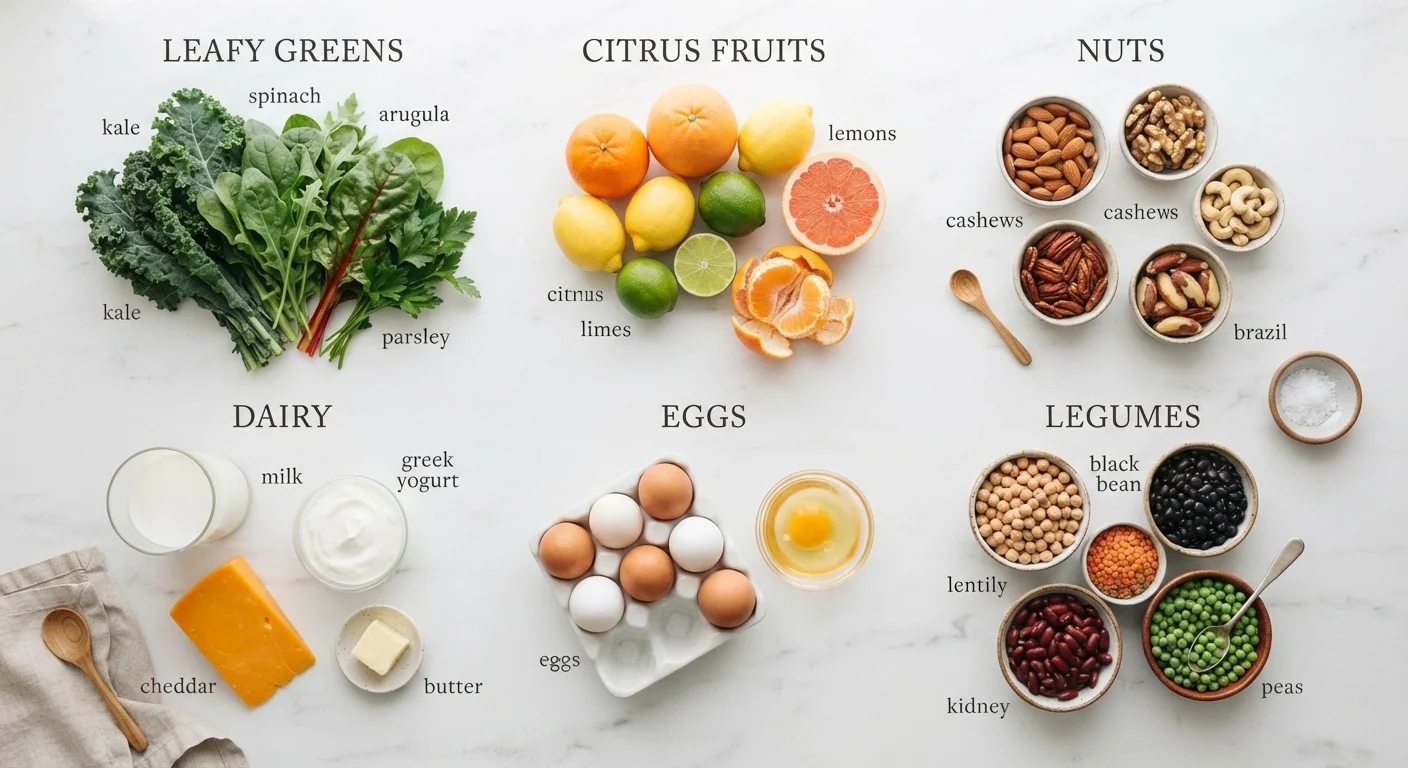
Photo: InsightsVilla.com | Quick Search. Right Info editorial
What Are Micronutrients and Why Do They Matter?
Micronutrients are the vitamins and minerals your body needs in relatively small amounts to carry out thousands of essential functions - from converting food into energy to keeping your immune system working and your bones strong. Unlike macronutrients like carbohydrates, proteins, and fats, micronutrients don't provide calories, but their absence can have serious health consequences.
For a deeper look at how vitamins differ structurally from minerals and how each class is absorbed, see Vitamins vs. Minerals: Understanding the Two Major Classes of Micronutrients. This reference guide focuses on what each key micronutrient does, where to find it in everyday food, and what early deficiency can look like.
Fat-soluble vitamins
Vitamins A, D, E, and K, which dissolve in fat and are stored in the body's fatty tissue and liver. Because they accumulate, excessive intake from supplements can cause toxicity.
Water-soluble vitamins
Vitamins C and all eight B vitamins, which dissolve in water and are not stored in large amounts. Excess is generally excreted in urine, so regular dietary intake is important.
Trace minerals
Minerals required by the body in very small amounts - including iron, zinc, iodine, selenium, and copper. Despite being needed in tiny quantities, they are essential for normal physiological function.
Recommended Dietary Allowance (RDA)
The average daily dietary intake level sufficient to meet the nutrient requirements of nearly all healthy individuals in a particular life stage, as established by the National Academies of Sciences, Engineering, and Medicine.
Bioavailability
The proportion of a nutrient that is actually absorbed and used by the body. Bioavailability varies by food source, preparation method, and the presence of other nutrients consumed at the same meal.
Deficiency
A condition that occurs when the body does not get or absorb enough of a specific nutrient over time. Deficiencies can impair bodily functions and, when prolonged, may lead to diagnosable health conditions.
Key Vitamins at a Glance
Vitamins fall into two broad categories: fat-soluble (A, D, E, K) and water-soluble (C and the B vitamins). Fat-soluble vitamins are stored in body fat and the liver, while water-soluble vitamins must be replenished more regularly through food. You can also learn how these appear on packaged food by reading a Nutrition Facts label.
| Vitamin A | Supports vision, immune function, and skin cell turnover. Found in liver, dairy, eggs, and orange/yellow vegetables as beta-carotene. Deficiency signs: night blindness, dry skin. (NIH Office of Dietary Supplements) |
| Vitamin C | Antioxidant; essential for collagen synthesis and immune defense. Found in citrus fruits, bell peppers, broccoli, strawberries. Deficiency signs: fatigue, slow wound healing, bleeding gums. (NIH Office of Dietary Supplements) |
| Vitamin D | Promotes calcium absorption and bone mineralization; supports immune function. Found in fatty fish, fortified dairy, and egg yolks; also synthesized via sun exposure. Deficiency signs: bone pain, muscle weakness. (NIH Office of Dietary Supplements) |
| Vitamin B12 | Critical for nerve function and red blood cell formation. Found almost exclusively in animal products: meat, fish, dairy, eggs. Deficiency signs: fatigue, tingling in hands/feet, memory issues. (NIH Office of Dietary Supplements) |
| Folate (B9) | Essential for DNA synthesis and cell division; especially important during pregnancy. Found in dark leafy greens, legumes, and fortified grains. Deficiency signs: megaloblastic anemia, fatigue. (NIH Office of Dietary Supplements) |
| Vitamin K | Required for blood clotting and bone metabolism. Found in leafy greens (kale, spinach), fermented foods. Deficiency signs: excessive bruising, slow clotting. (NIH Office of Dietary Supplements) |
| Vitamin E | Fat-soluble antioxidant that protects cell membranes. Found in nuts, seeds, vegetable oils, spinach. Deficiency signs: rare in healthy adults; can include nerve damage in severe cases. (NIH Office of Dietary Supplements) |
| Thiamine (B1) | Converts carbohydrates into energy; supports nerve function. Found in whole grains, pork, legumes, nuts. Deficiency signs: fatigue, nerve pain, heart complications in severe cases. (NIH Office of Dietary Supplements) |
This article is for general informational purposes only and is not a substitute for professional medical or dietary advice. If you have concerns about nutrient deficiencies or your diet, consult a qualified healthcare provider or registered dietitian.
Essential Minerals: Functions, Sources, and Deficiency Signs
Minerals are inorganic elements drawn from soil and water. Major minerals - calcium, magnesium, potassium, phosphorus, sodium - are needed in larger daily amounts, while trace minerals like iron, zinc, iodine, and selenium are required in much smaller quantities but are equally critical.
~42%
U.S. adults with vitamin D insufficiency
A large analysis published in Nutrition Research estimated that approximately 42% of U.S. adults had vitamin D insufficiency based on blood levels.
~10 million
Americans with iron deficiency
The CDC estimates approximately 10 million people in the United States are iron-deficient, with women of childbearing age at highest risk.
~1 in 6
Older U.S. adults with B12 deficiency risk
Research suggests older adults are disproportionately at risk for vitamin B12 deficiency due to reduced stomach acid needed for absorption.
Iron deficiency is one of the most common nutritional deficiencies worldwide, frequently manifesting as fatigue and pale complexion. Calcium and vitamin D work in tandem for bone health; low levels of either can raise long-term fracture risk. Zinc supports wound healing, immune defense, and taste perception. Iodine is vital for thyroid hormone production, and low intake can impair metabolism and, in pregnancy, fetal brain development. Understanding what ingredient names correspond to these minerals is easier when you know how ingredient lists work.
The content on this site is for informational purposes only and is not a substitute for professional advice. Always consult a qualified professional for guidance specific to your situation.