
Protein Sources Compared: Animal vs. Plant on Completeness, Cost, and Versatility

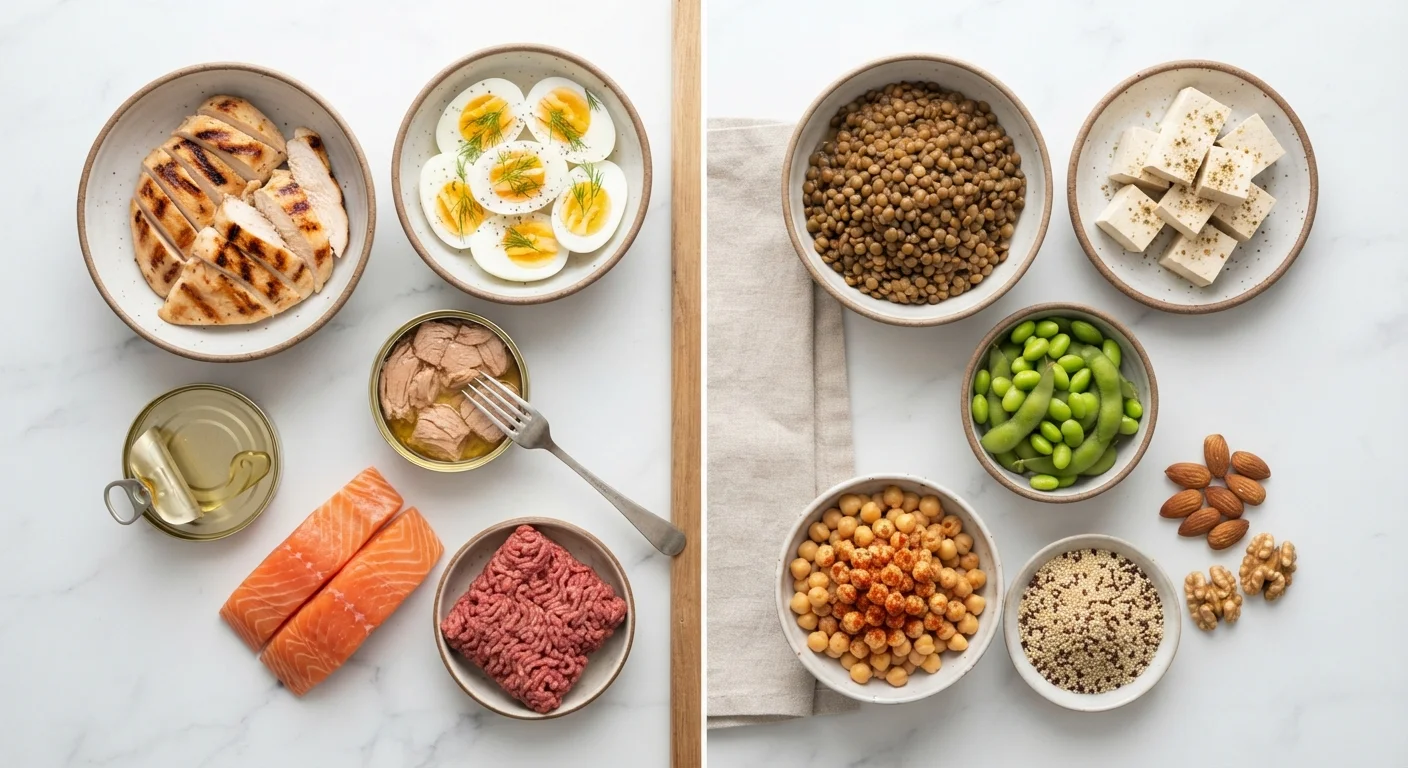
Photo: InsightsVilla.com | Quick Search. Right Info editorial
Key Takeaways
- Animal proteins are generally 'complete,' containing all nine essential amino acids in sufficient amounts.
- Most plant proteins can achieve completeness through strategic food pairing or variety over the course of a day.
- Plant proteins tend to cost less per gram of protein than most animal sources, though quality varies widely.
- Bioavailability - how much protein the body actually absorbs - is generally higher for animal sources but varies across plant foods.
- Both protein categories can support healthy diets; individual health goals, budget, and preferences should guide the balance.
What Makes a Protein Source 'Complete'?
Protein is made up of amino acids - twenty in total, nine of which the body cannot produce on its own. These nine are called essential amino acids (EAAs), and they must come from food. A protein source is considered "complete" when it provides all nine EAAs in adequate proportions.
Animal proteins - including meat, poultry, fish, eggs, and dairy - are virtually all complete. Their amino acid profiles closely mirror human muscle tissue, which partly explains their long use as reference standards in nutrition research.
Most plant proteins are incomplete on their own, meaning they are low in one or more EAAs. Common examples: wheat is low in lysine; legumes are low in methionine. However, the idea that plant eaters must carefully combine specific foods at every meal is outdated. Current evidence, reflected in guidance from registered dietitians and major nutrition organizations, supports that eating a varied diet of plant proteins throughout the day generally supplies all EAAs the body needs. Soy and quinoa are notable exceptions - both are complete plant proteins.
For a deeper look at individual plant protein sources and their amino acid profiles, see our comparison of beans, tofu, tempeh, and more.
Bioavailability: How Much Protein Does Your Body Actually Use?
Protein quality is not just about amino acid content - it is also about how efficiently the body digests and absorbs those amino acids. This concept is called bioavailability. A widely used measure is the DIAAS, developed by the Food and Agriculture Organization to assess true protein quality.
Animal proteins - particularly eggs, dairy, and lean meats - score high on the DIAAS, meaning the body absorbs and uses their amino acids efficiently. Plant proteins score more variably. Soy protein isolate scores competitively, while whole legumes and grains score lower, partly because plant cell walls and naturally occurring compounds called antinutrients (such as phytates and tannins) can reduce protein absorption.
Cooking and processing substantially improve plant protein bioavailability. Soaking legumes, fermenting soy into tempeh, and heat-treating grains all reduce antinutrient content, bringing absorption rates meaningfully closer to those of animal sources.
74-99%
Digestibility range for high-quality animal proteins
The FAO's DIAAS framework places eggs and dairy at the top of digestibility scores among commonly consumed proteins.
~45-80%
Digestibility range for common plant proteins
Whole legumes and grains typically score lower on DIAAS, though processing and cooking can meaningfully close the gap.
Cost Comparison: Protein Per Dollar
For most American households, cost is a real and practical factor in food choices. When comparing protein sources on a cost-per-gram-of-protein basis, plant proteins generally offer a clear advantage.
Dried lentils, canned chickpeas, black beans, and tofu consistently deliver protein at a fraction of the cost of beef, pork, or fresh fish. Eggs and canned tuna sit in a middle range - relatively affordable animal proteins that can compete with some plant options on price.
It is important to note that cost varies significantly by region, store type, and whether items are purchased fresh, frozen, or canned. Specialty plant-based products - protein powders, meat substitutes, and ready-to-eat plant burgers - often cost considerably more per gram of protein than whole-food plant options and sometimes more than conventional animal proteins.
| Animal Protein | Whole-Food Plant Protein | Processed Plant Protein | |
|---|---|---|---|
| Amino acid completeness | Complete (all 9 EAAs) | Often incomplete; soy/quinoa are exceptions | Varies; many isolates are complete |
| Bioavailability (DIAAS) | Generally high | Moderate; improved by cooking | Moderate to high |
| Typical cost per gram protein | Moderate to high | Low | Moderate to high |
| Shelf life | Short (fresh); longer (frozen/canned) | Very long (dried); moderate (fresh) | Moderate to long |
| Saturated fat content | Variable; often higher in red meat | Generally low | Variable by product |
| Fiber content | None | High in whole foods | Low to moderate |
| Preparation ease | Familiar; quick options available | Requires planning; longer cooking | Typically quick and convenient |
If you are exploring a more plant-forward eating style without abandoning animal foods entirely, our article Plant-Based Eating: A Starter Framework for Curious Omnivores offers a practical, gradual approach.
Versatility in the Kitchen and Real-World Usability
Practical usability - how easy a protein is to prepare, store, and incorporate into daily meals - shapes dietary patterns as much as nutritional theory does.
Animal proteins are highly versatile in taste and texture and are central to many familiar American recipes. Chicken, eggs, and canned fish require minimal prep and pair easily across cuisines. However, fresh animal proteins have shorter shelf lives and require refrigeration or freezing.
Plant proteins like dried beans, lentils, and whole grains have excellent shelf stability and are among the most storage-friendly foods available. Tofu, tempeh, and edamame are perishable but increasingly available and familiar to home cooks. The trade-off: plant proteins often require more preparation time, seasoning, and culinary knowledge to produce satisfying results.
Simple Ways to Boost Plant Protein Usability
For those already thinking about protein quality in pet nutrition - a related but distinct topic - our editorial team has covered how to read a pet food label, which applies similar principles of protein completeness and ingredient sourcing to animal diets.
This article is for general informational and educational purposes only and is not a substitute for personalized medical or dietary advice. Consult a registered dietitian or qualified healthcare professional for guidance specific to your health needs.
The content on this site is for informational purposes only and is not a substitute for professional advice. Always consult a qualified professional for guidance specific to your situation.