
Plant-Based Protein Sources Compared: Beans, Tofu, Tempeh, and More

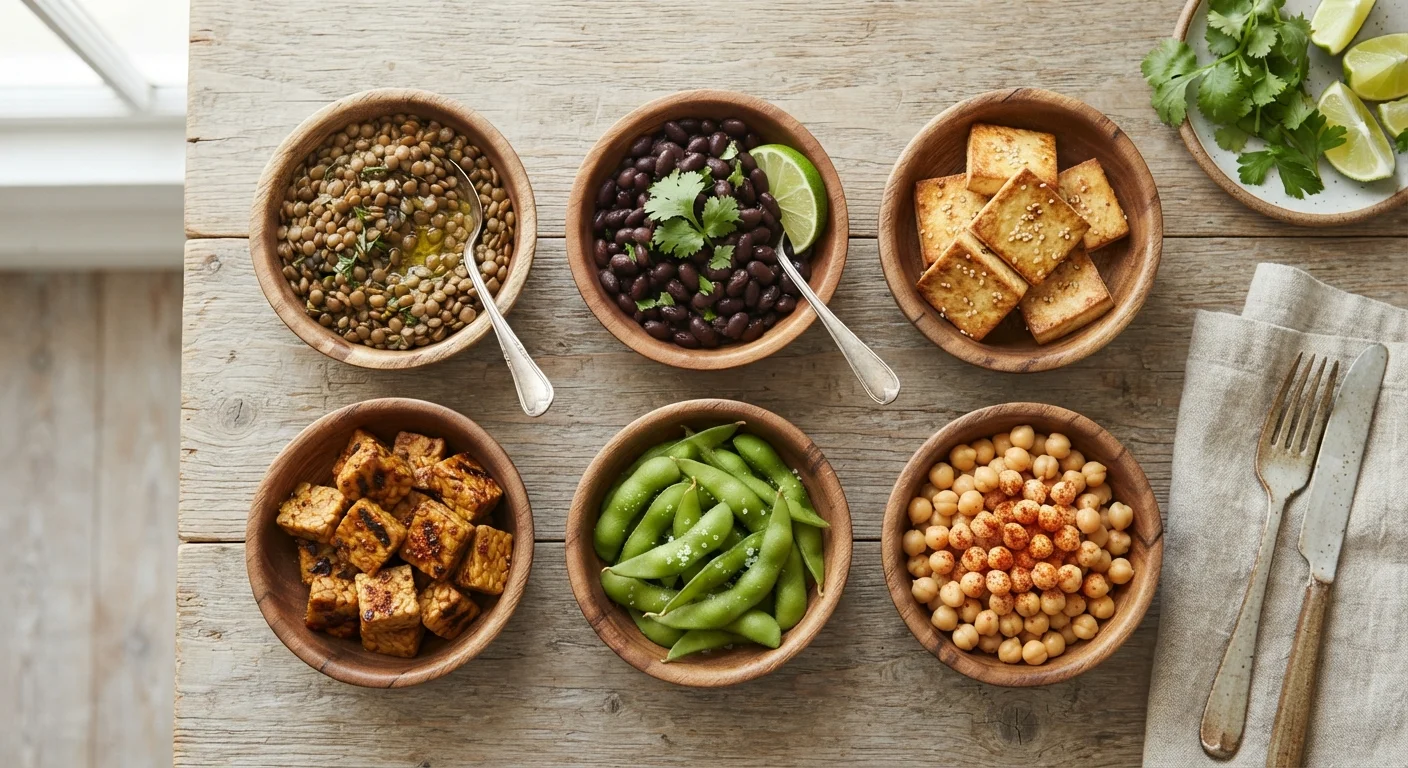
Photo: InsightsVilla.com | Quick Search. Right Info editorial
Key Takeaways
- Beans, lentils, tofu, tempeh, and edamame all provide meaningful amounts of protein per serving.
- Tempeh and edamame offer complete or near-complete amino acid profiles, making them especially useful options.
- Variety across plant proteins helps ensure you get a full range of essential amino acids over the course of a day.
- Culinary versatility differs significantly - the right choice often depends on the dish as much as the nutrition.
- Most plant proteins are affordable, widely available, and easy to incorporate without a full dietary overhaul.
Why Plant Protein Sources Aren't All the Same
Plant-based proteins have earned a firm spot in mainstream nutrition conversations - and for good reason. But lumping them all together misses some meaningful differences. Protein content varies, amino acid profiles differ, digestibility isn't uniform, and the way each ingredient behaves in a kitchen can vary dramatically. Whether you're reducing meat consumption or just curious about your options, understanding those distinctions helps you make smarter, more satisfying food choices. For a broader look at how plant proteins compare to animal sources, see our animal vs. plant protein comparison.
The foods covered here - beans, lentils, tofu, tempeh, edamame, and seitan - are among the most commonly consumed plant proteins in American kitchens. Each has a distinct nutritional personality worth knowing.
Protein Content and Amino Acid Profiles at a Glance
Protein quality is about more than grams. The nine essential amino acids - the ones your body can't make on its own - matter too. Animal proteins tend to contain all nine in useful ratios (called "complete" proteins), while many plant proteins are lower in one or more. That said, some plant foods come surprisingly close to complete profiles, and eating varied plant proteins across the day fills any gaps naturally.
| Beans/Lentils | Tofu | Tempeh | Edamame | Seitan | |
|---|---|---|---|---|---|
| Protein per 100g (cooked) | 7-9g | 8-10g | 19-20g | 11g | 25g |
| Complete amino acid profile | Incomplete (vary by type) | Near-complete | Complete | Complete | Incomplete (low lysine) |
| Digestibility | Moderate | Good | Very good | Good | Good |
| Average cost | Very low | Low-moderate | Moderate | Low-moderate | Low (homemade) |
| Culinary versatility | Very high | Very high | High | Moderate | Moderate |
| Gluten-free | Yes | Yes | Yes | Yes | No |
Seitan, made from wheat gluten, is notably high in protein but low in lysine. Tofu and tempeh, both derived from soybeans, fare much better on completeness. Tempeh's fermentation process also improves digestibility and adds B vitamins - a genuine nutritional bonus.
Culinary Uses: Where Each Protein Shines
Nutrition on paper only matters if you'll actually cook with it. Here's where each source finds its groove:
- Beans and lentils are the workhorse of plant proteins. They absorb flavors beautifully, work in soups, stews, salads, and dips, and are among the most shelf-stable pantry staples you can keep on hand.
- Tofu comes in a range of firmnesses - silken tofu blends smoothly into sauces and desserts, while extra-firm tofu holds up to stir-frying, baking, or grilling. Its neutral flavor makes it one of the most adaptable ingredients in any kitchen.
- Tempeh has a nuttier, earthier taste and a dense, slightly chewy texture. It slices and crumbles well, making it excellent for grain bowls, sandwiches, tacos, and savory marinades.
- Edamame (young soybeans) can be eaten as a snack, tossed into salads, or blended into hummus-style spreads. It requires almost no preparation.
- Seitan has a meaty, chewy texture that's unmatched in plant proteins - it's the go-to choice for dishes where texture is the priority. It's not appropriate for anyone avoiding gluten.
Rotate Your Plant Proteins
If you're just starting to navigate plant-forward eating, the starter framework for curious omnivores is a practical place to begin.
Cost, Accessibility, and Practical Considerations
Dried beans and lentils are among the most cost-effective protein sources available - plant-based or otherwise. Canned versions cost more but remain affordable and save significant prep time. Tofu is widely stocked in most grocery stores and sits comfortably in the mid-price range. Tempeh has become easier to find as plant-based eating has grown in popularity, though it's typically a bit pricier than tofu. Seitan can be purchased pre-made or made from scratch using vital wheat gluten, which is economical for regular cooks.
Watch for Sodium in Packaged Versions
For a fuller picture of how all these fit into everyday eating patterns, the Nutrition & Diet hub covers balanced approaches across a wide range of food topics.
This article is for general informational purposes only and is not a substitute for personalized dietary or medical advice. Consult a qualified healthcare professional or registered dietitian for guidance specific to your health needs.
The content on this site is for informational purposes only and is not a substitute for professional advice. Always consult a qualified professional for guidance specific to your situation.