
Salt, Fat, Acid, Heat: The Four Elements That Make Home Cooking Click

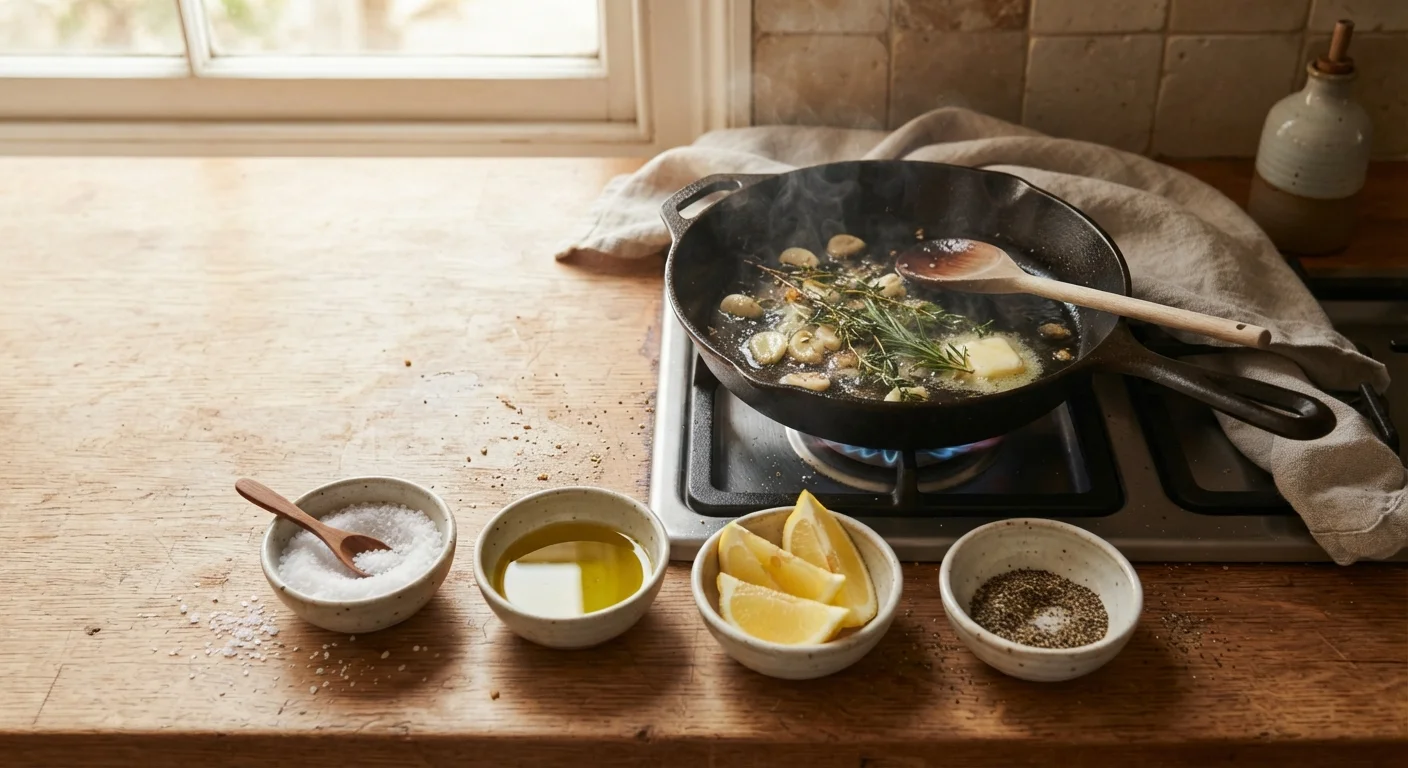
Photo: InsightsVilla.com | Quick Search. Right Info editorial
Key Takeaways
- Salt does more than make food salty-it enhances every other flavor already present.
- Fat carries flavor compounds and gives food its satisfying body and texture.
- Acid cuts through richness and makes flat-tasting dishes taste alive again.
- Heat determines texture, color, and depth of flavor depending on how it's applied.
- Adjusting these four elements lets you fix or improve almost any dish mid-cook.
- You don't need more recipes-you need a better feel for these four fundamentals.
Why Four Elements Beat a Thousand Recipes
Most home cooks collect recipes the way people collect gym memberships - with enthusiasm and diminishing returns. What actually makes a cook better isn't more recipes; it's understanding why food tastes the way it does. Salt, fat, acid, and heat are the four levers behind virtually every satisfying dish, from a weeknight pasta to a slow-braised weekend roast. Get a feel for these, and you can read any recipe more critically, improvise more confidently, and fix mistakes before they reach the table.
If you want to go deeper on the skills that work alongside these fundamentals, our guide to reading a recipe like a cook is a great companion piece.
~80%
Of flavor perception attributed to aroma
Research from sensory science consistently shows that most of what we perceive as 'taste' is actually smell - which is why fat, as a carrier of aromatic compounds, plays such an outsized role in flavor.
4x
Flavor intensity increase from proper salting timing
Culinary educators often note that salting proteins ahead of cooking (even 30 minutes early) penetrates deeper and produces more evenly seasoned results than salting at the end.
Salt: The Element That Makes Everything Taste More Like Itself
Salt doesn't just add saltiness - it suppresses bitterness, enhances sweetness, and amplifies every other flavor already in a dish. Season too little and food tastes flat; season well and each ingredient tastes more fully like itself. The timing matters too. Salt added early (say, to a pot of stew) has time to penetrate and season deeply. Salt added late (like a finishing flake on roasted vegetables) creates bright, immediate pops of flavor.
One often-overlooked tip: pasta water should be salted generously - think of it as a light broth, not a swimming pool. Under-salted pasta water is one of the most common reasons a finished dish tastes dull despite a flavorful sauce.
Taste as You Go - Every Time
Fat: Flavor's Best Vehicle
Fat doesn't just add richness - it carries fat-soluble flavor compounds (from herbs, spices, and aromatics) and spreads them evenly throughout a dish. Sautéing garlic in olive oil before adding anything else isn't just tradition; it's chemistry. That fat is picking up flavor and distributing it. Fat also provides texture, from the silkiness of a pan sauce to the flakiness of a well-made pastry.
Different fats behave differently under heat, which is where cooking technique and fat selection intersect. Our piece on cooking myths covers some of the misunderstandings around smoke points and high-heat cooking that are worth knowing.
Acid: The Brightest Tool in the Kitchen
If you've ever tasted a dish that seemed technically correct but somehow flat or heavy, acid was probably missing. Vinegars, citrus juice, yogurt, wine, tomatoes - these all bring acidity that cuts richness, lifts flavors, and creates contrast. A splash of lemon over roasted chicken, a drizzle of red wine vinegar into a braised dish, a dollop of sour cream on a bowl of chili: these aren't garnishes - they're functional flavor adjustments.
Acid also affects color and texture in ways that can surprise you. It keeps cut avocado from browning, brightens the green of blanched vegetables, and tenderizes proteins in a marinade. For a closer look at how other aromatics work alongside acid, our guide to cooking with herbs covers a lot of useful pairing ground.
Heat: The Element That Transforms Everything
Heat is the most powerful and least forgiving of the four elements. The same ingredient cooked at different temperatures becomes an entirely different thing - a slowly caramelized onion versus a quickly sautéed one, for example, are almost unrecognizable next to each other. High dry heat (roasting, searing) drives the Maillard reaction, producing the browned, complex crust that adds depth. Low, moist heat (braising, poaching) breaks down connective tissue and creates tenderness without color.
Knowing the right internal temperatures for meat and poultry takes the guesswork out of the heat question. Our internal temperature reference guide is worth bookmarking. And if your knife skills need a tune-up before the heat even starts, the home cook's knife skills guide has you covered.
“The key to good cooking is not about following rules, but understanding principles. Once you understand why something works, you can make it work anywhere.”
— Samin Nosrat, Cookbook author and culinary educator
Frequently Asked Questions
The content on this site is for informational purposes only and is not a substitute for professional advice. Always consult a qualified professional for guidance specific to your situation.