
Cooking Myths That Home Cooks Still Believe

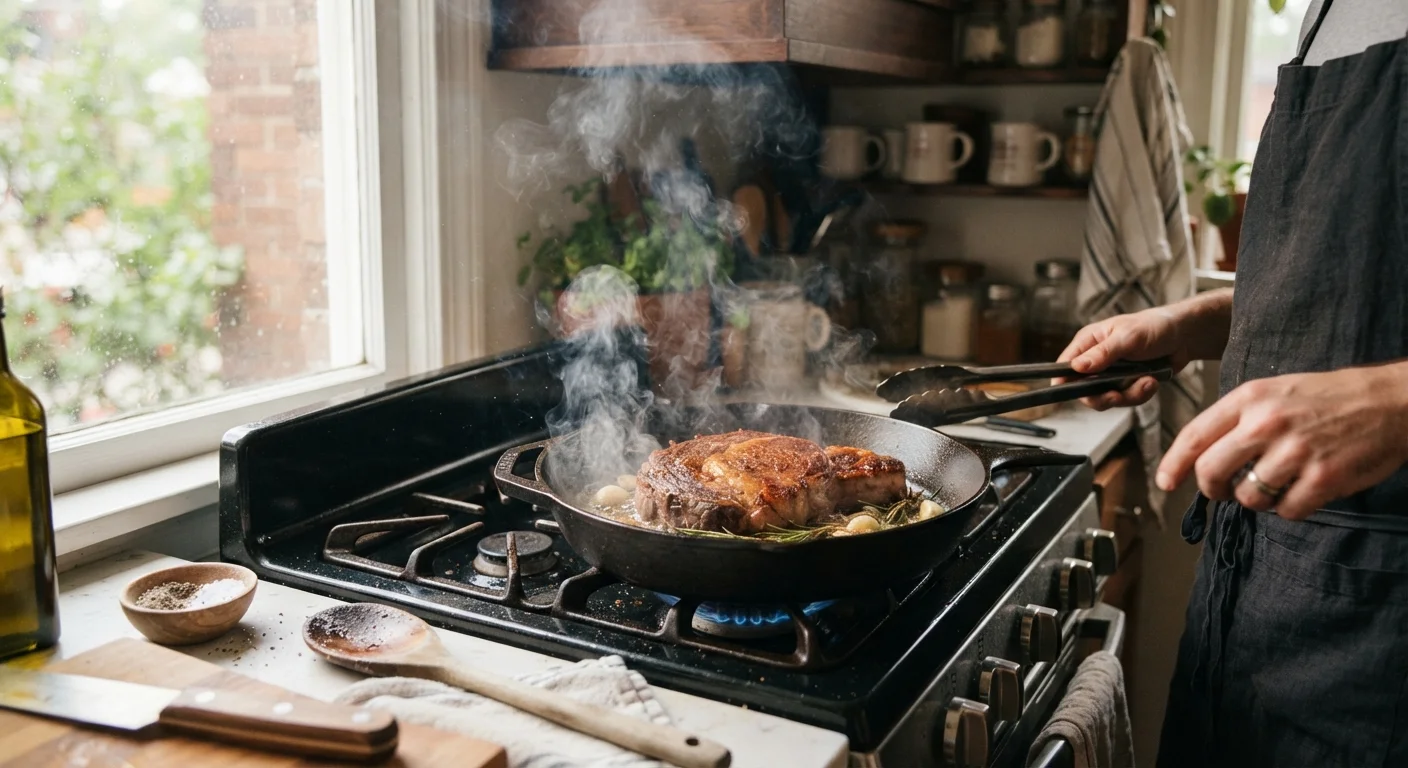
Photo: InsightsVilla.com | Quick Search. Right Info editorial
Key Takeaways
- Searing meat does not seal in juices - it creates flavor through the Maillard reaction.
- Rinsing cooked pasta removes the starch that helps sauce cling to noodles.
- A large flame does not boil water meaningfully faster once it's at a full rolling boil.
- Wooden cutting boards are not inherently less sanitary than plastic ones.
- Salt added to boiling water seasons pasta - it does not significantly raise the boiling point.
Where Kitchen Myths Come From
Cooking lore travels fast. A tip picked up from a grandparent, a half-remembered TV chef moment, or a confident friend at a dinner party can calcify into gospel faster than you'd expect. The problem is that a lot of that received wisdom was never tested - it just felt true because it made intuitive sense. Searing creates a crust that looks sealed, so of course it traps juice, right? Wrong, as it turns out.
The good news is that correcting these myths doesn't make cooking harder - it actually makes it more relaxed. When you understand what's really happening in the pan, you stop worrying about rules that don't matter and start focusing on what does. If you want to go deeper on technique, reading a recipe the way experienced cooks do is a great place to start.
Myth
Searing meat seals in the juices, keeping it moist.
Fact
Searing does not create a moisture barrier. It produces flavor and color through the Maillard reaction - a chemical browning process - but moisture loss continues throughout cooking regardless.
This myth has been around for over a century, popularized in part by 19th-century food science writing that has since been thoroughly debunked. When you sear a steak or chicken breast, you get a beautiful brown crust because sugars and proteins react under high heat - that's the Maillard reaction, and it's genuinely delicious. But that crust is porous. Juices still escape. The real key to a moist result is not searing order, but avoiding overcooking. A well-rested, properly cooked piece of meat will be juicy whether you sear it first or not.
Myth
You should rinse pasta after cooking to stop it from sticking.
Fact
Rinsing strips away the surface starch that helps sauce adhere to the noodles, leaving you with slippery pasta and a watery-tasting dish.
The sticky feeling of freshly drained pasta is actually working in your favor. That thin coating of starch is what allows sauce - whether it's a chunky tomato ragù or a simple olive oil - to grip the noodle rather than pool at the bottom of the bowl. Rinsing with cold water removes that starch and simultaneously cools the pasta, which means it won't properly absorb the sauce when you toss them together. The only time rinsing makes sense is when you're making a cold pasta salad and genuinely need to halt the cooking and cool the noodles quickly.
Myth
Adding salt to water makes it boil faster.
Fact
Salt does raise the boiling point of water, but the amount used in home cooking raises it by only a fraction of a degree - a difference too small to matter in practice.
The physics here is real but the effect is negligible. To meaningfully raise the boiling point of a standard pot of water, you'd need an impractical amount of salt - far more than any recipe calls for. The actual reason to salt your pasta water is flavor: it seasons the pasta from the inside out as it absorbs liquid during cooking. A well-salted pot of pasta water - described by many cooks as tasting "pleasantly like the sea" - produces noticeably better-tasting pasta than unsalted water, regardless of what it does to the boiling point.
Myth
Wooden cutting boards harbor dangerous bacteria and should be avoided.
Fact
Research suggests wooden boards are not less safe than plastic ones - and some studies indicate that bacteria on wood surfaces may die off more readily than on plastic.
This myth has pushed many home cooks toward plastic boards in the belief that they're more hygienic. But research conducted at UC Davis in the 1990s found that bacteria introduced to wooden board surfaces became undetectable relatively quickly, while plastic boards - especially those with knife scars - could harbor bacteria even after washing. That said, no cutting board is completely risk-free. The key practices are the same for both materials: wash thoroughly with hot, soapy water after contact with raw meat or poultry, replace boards that are deeply scarred, and never use the same surface for raw proteins and ready-to-eat foods without washing in between.
Myth
Cooking with olive oil is dangerous because it has a low smoke point.
Fact
Extra virgin olive oil has a smoke point roughly between 375°F and 405°F - high enough for most everyday sautéing, pan frying, and roasting.
The smoke point concern for olive oil is often overstated. Refined olive oil has an even higher smoke point than extra virgin. For typical home cooking - sautéing vegetables, finishing a pan sauce, roasting at moderate oven temperatures - extra virgin olive oil performs perfectly well. The smoke point issue becomes relevant only at the very high temperatures used for deep frying or searing in a screaming-hot cast iron pan, where a neutral high-heat oil is a better choice. Understanding how different oils and fats behave is part of the bigger picture covered in how fat works in cooking.
Myth
Meat should be cooked straight from the fridge for the best result.
Fact
Allowing meat to rest at room temperature for a short time before cooking promotes more even cooking - though food safety guidelines recommend keeping that window brief.
A very cold piece of meat hitting a hot pan creates an uneven temperature gradient: the outside overcooks before the center reaches the right temperature. Letting a steak or thick chop rest on the counter for 20-30 minutes before cooking helps it cook more evenly. That said, food safety is a real consideration: the USDA advises against leaving perishable foods in the "danger zone" (40°F-140°F) for more than two hours in total. A brief rest before cooking is reasonable; leaving meat out for an extended period is not. Always use a thermometer to confirm doneness rather than relying on appearance.
What the Science Actually Says
Most cooking myths persist because they contain a grain of truth wrapped in a flawed conclusion. Searing does improve a steak - just not because it creates a moisture barrier. Salt does change your pasta water - just not in the way most people assume. Understanding the real mechanism helps you apply a technique correctly instead of following a mantra that might lead you astray.
375-405°F
Smoke point of extra virgin olive oil
Sufficient for most everyday home cooking tasks including sautéing and moderate-heat roasting.
~0.5°C
Boiling point rise from typical pasta salt
The actual temperature change is negligible; the real benefit of salting pasta water is flavor, not speed.
165°F
USDA safe internal temperature for poultry
According to USDA food safety guidelines - color alone is not a reliable indicator of whether chicken is fully cooked.
Take internal temperature as the clearest example. The color of cooked meat - another deeply held myth - is not a reliable indicator of doneness. Pink chicken can be safe; gray beef can be undercooked. Safe internal temperatures are the only trustworthy measure, and a simple instant-read thermometer costs less than one bad dinner.
Don't Rely on Color to Judge Doneness
For anyone who's struggled with dry, rubbery results, many of those frustrations trace back to myths covered here. Our piece on why chicken turns out dry walks through the most common culprits in detail. And if you want to understand how heat itself works across different cooking methods, simmering, boiling, and poaching is worth a read.
The content on this site is for informational purposes only and is not a substitute for professional advice. Always consult a qualified professional for guidance specific to your situation.