
Internal Temperatures Every Home Cook Should Know by Heart

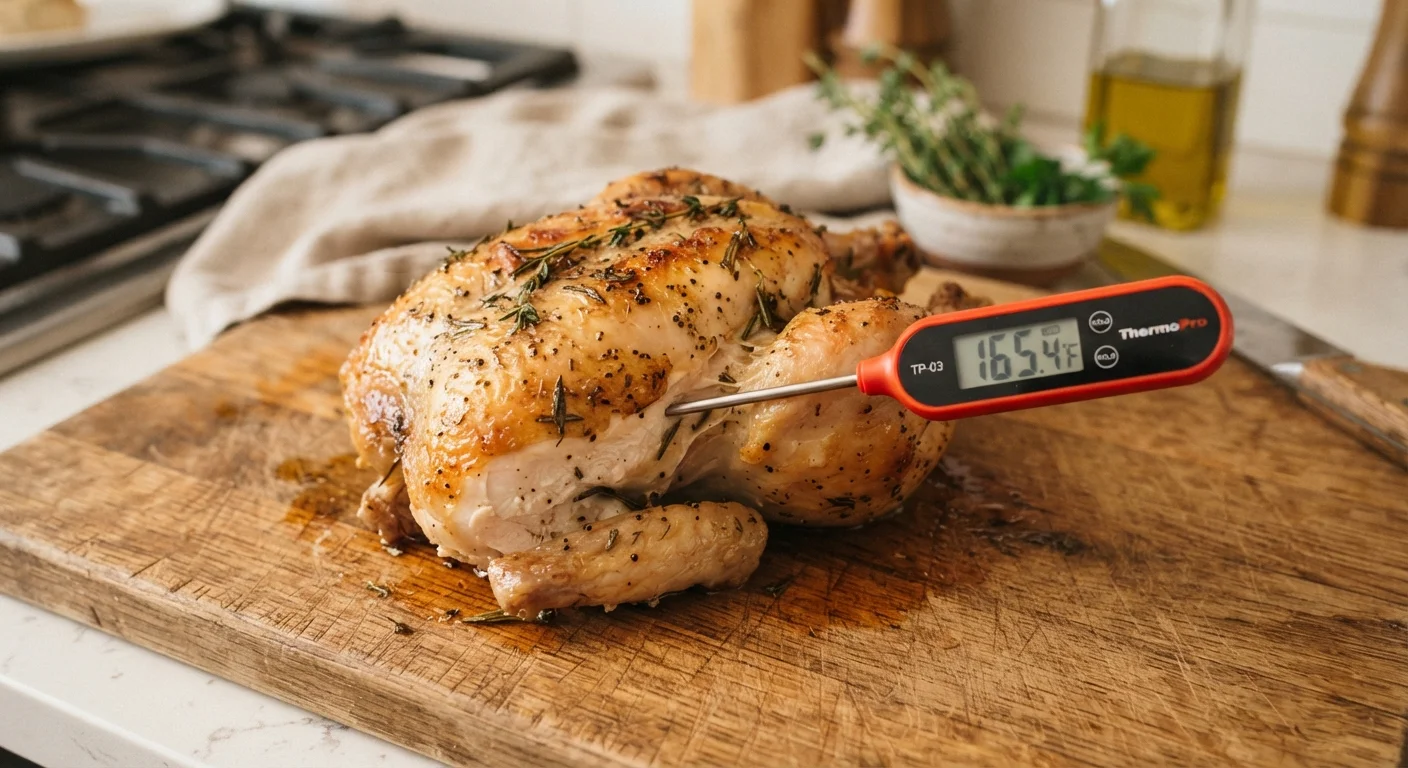
Photo: InsightsVilla.com | Quick Search. Right Info editorial
Why Internal Temperature Is the Real Measure of Doneness
Color, touch, and timing are helpful hints - but none of them tell you with certainty whether food is safe to eat. Internal temperature is the only reliable way to know that harmful bacteria have been destroyed. The USDA sets minimum safe temperatures based on decades of food safety research, and a good instant-read thermometer puts that science right in your hands.
One important habit to build: always measure at the thickest part of the food, away from bone, fat, or the pan itself - those areas read higher and can give you a false sense of security. And remember that many proteins continue to cook slightly after you pull them from heat (called carryover cooking), so it's fine to remove them a few degrees early and let them rest.
Once you know the numbers, cooking becomes far less stressful. That confidence pairs nicely with a stronger understanding of how heat works in your kitchen - see our article on the four elements that make home cooking click for the bigger picture.
Safe and Ideal Temperatures by Food Type
Here's a straightforward breakdown of what to aim for across the most common proteins and egg dishes. These targets reflect USDA guidelines along with widely used culinary standards for quality and palatability.
Poultry (Chicken & Turkey)
All poultry - whole birds, breasts, thighs, wings, and ground - should reach 165°F (74°C). This applies without exception, including stuffing cooked inside the bird. At this temperature, Salmonella and other poultry-associated pathogens are reliably destroyed.
Beef, Pork, Lamb & Veal (Whole Cuts)
Whole cuts of these meats are considered safe at 145°F (63°C), followed by a three-minute rest. That rest period matters - it allows the heat to equalize and finish the job. At 145°F, beef is medium-rare to medium; if you prefer a more well-done result, you can go to 160°F without concern.
Ground Meats
Ground beef, pork, veal, and lamb require 160°F (71°C) - no rest time needed. Because grinding distributes surface bacteria throughout the meat, a higher minimum applies. Ground turkey and chicken follow the standard poultry rule of 165°F.
Fish & Shellfish
Fish is done at 145°F (63°C) - the flesh should be opaque and flake easily. Shrimp, lobster, and scallops are done when they turn opaque and firm. Clams, mussels, and oysters should be cooked until their shells open; discard any that stay shut.
Eggs & Egg Dishes
Cook eggs until both the white and yolk are firm, or use them in dishes that reach an internal temperature of 160°F (71°C). Casseroles and quiches with eggs follow the 160°F standard as well.
A Note on Ham
For a deeper look at how heat itself transforms food - not just makes it safe - check out our piece on the real differences between simmering, boiling, and poaching.
Thermometer Tips and Common Mistakes
Even with the right numbers in mind, a few easy errors can throw off your readings. Avoid pressing the probe against bone - bone conducts heat faster than meat and will give you an inflated reading. For thin items like burgers or fish fillets, insert the thermometer from the side rather than the top to reach the true center.
Calibrate your thermometer occasionally by placing it in ice water (should read 32°F) or boiling water (should read 212°F at sea level). Digital instant-read models are generally more accurate than dial-style thermometers, though both work fine when used correctly.
Getting comfortable with these fundamentals fits right alongside other core kitchen habits - our kitchen setup checklist is a great place to anchor your pre-cook routine. And if you've ever wondered whether old cooking rules hold up, our piece on cooking myths home cooks still believe might surprise you.
Carryover cooking
The continued rise in a food's internal temperature after it's removed from the heat source. Thick proteins can rise 5-10°F during resting, so pulling them slightly early is often intentional.
Danger zone
The temperature range between 40°F and 140°F where bacteria multiply most rapidly. Food should not sit in this range for more than two hours.
Instant-read thermometer
A probe-style thermometer that gives a temperature reading within a few seconds of insertion. Essential for accurately checking doneness in meats, poultry, and fish.
Rest time
A brief period (usually 3 minutes) after cooking during which the meat's temperature stabilizes and juices redistribute. Required alongside temperature for certain USDA-safe endpoints.
The content on this site is for informational purposes only and is not a substitute for professional advice. Always consult a qualified professional for guidance specific to your situation.