
Pantry Staples That Make Last-Minute Cooking Genuinely Easy

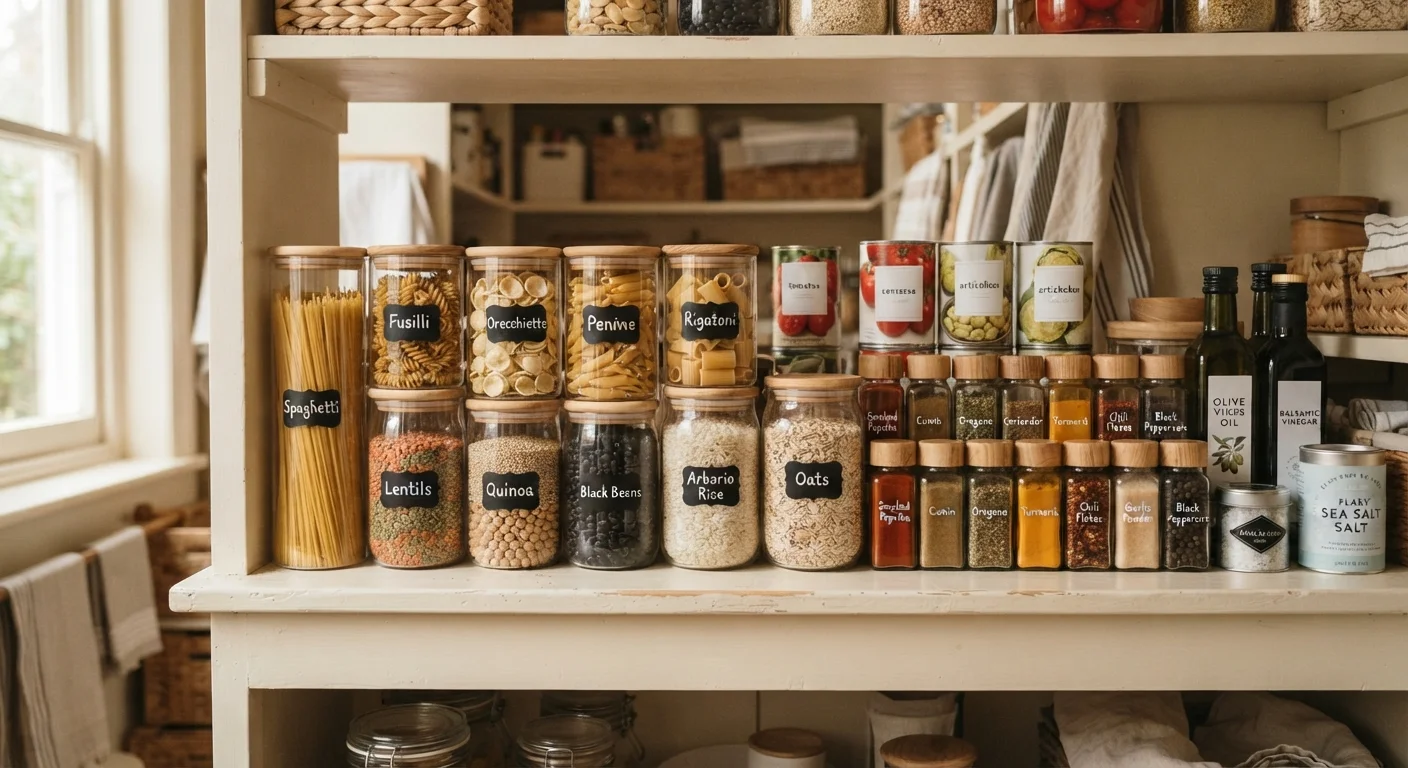
Photo: InsightsVilla.com | Quick Search. Right Info editorial
Key Takeaways
- A small set of versatile pantry staples can unlock dozens of last-minute meals without a grocery run.
- Canned legumes, whole grains, and quality oils are among the highest-value items to keep stocked.
- Good pantry management is about rotation and restocking, not hoarding a huge variety.
- Pairing pantry staples with fresh aromatics dramatically expands your weeknight options.
- A stocked pantry reduces decision fatigue and makes home cooking genuinely sustainable.
The Case for a Smarter Pantry
Most of us have stood in front of an open fridge at 6:30 p.m., convinced there was nothing to eat - while a perfectly workable dinner waited quietly in the cupboard. The problem usually isn't a shortage of food. It's a shortage of the right foods arranged in a way that makes cooking feel possible, not punishing.
A well-stocked pantry doesn't mean wall-to-wall shelves of specialty items. It means a focused collection of ingredients that are shelf-stable, genuinely flexible, and capable of anchoring a real meal. Think of it as your cooking safety net - the thing that catches you when the week gets chaotic. If you've ever struggled with keeping cooking habits on track, a realistic weeknight framework can work alongside a stocked pantry to make things even easier.
Below are eight pantry staples worth prioritizing - not because they're trendy, but because they do the most work for the least effort.
Canned Beans and Legumes
Canned chickpeas, black beans, cannellini beans, and lentils are protein-rich, filling, and ready to use in under a minute. They work in soups, grain bowls, salads, tacos, and pasta - often as the main event rather than just a side. Rinse them before using to reduce the sodium from the canning liquid. Stock at least three varieties and you'll rarely be short on protein for a weeknight meal.
Canned beans are ready in seconds and work in almost every cuisine.
Whole Grains and Pasta
Dried pasta, brown rice, farro, and quick-cooking grains like couscous or bulgur form the backbone of hundreds of meals. They're inexpensive, calorie-dense in a satisfying way, and pair with almost any protein or vegetable. Pasta especially earns its place: a pound of dried pasta combined with pantry staples can feed a family in the time it takes to boil water.
Dried pasta can become a complete family dinner faster than most takeout arrives.
Good Olive Oil
Olive oil is the workhorse fat for most weeknight cooking - for sautéing aromatics, finishing dishes, dressing salads, and adding body to sauces. A bottle of everyday extra-virgin olive oil handles almost every task. You don't need to spend a lot; a mid-range, all-purpose option is entirely sufficient for most home cooking. Keep a consistent supply and you'll notice how often it's the first thing you reach for.
Olive oil is the most-used pantry ingredient in most home kitchens, for good reason.
Canned Whole Tomatoes
A can of whole or crushed tomatoes can become a pasta sauce, a braising liquid, a soup base, or a shakshuka in a matter of minutes. San Marzano-style tomatoes tend to have a naturally sweeter, lower-acid flavor, but any good-quality canned tomato works well. Keep at least four cans at all times - they disappear faster than you'd expect.
Canned tomatoes are the fastest route to a deeply flavored sauce or stew.
A Core Spice Collection
You don't need 40 spices. A focused set - cumin, smoked paprika, red pepper flakes, dried oregano, garlic powder, and turmeric - covers an enormous range of cuisines and flavor profiles. Spices lose potency over time, so replace them roughly every year or two. Fresh spices make a noticeable difference in simple dishes where they carry the most weight.
Six well-chosen spices can carry dishes across dozens of different cuisines.
Low-Sodium Broth or Stock
Cartons of chicken, vegetable, or beef broth let you build soups, deglaze pans, cook grains with more flavor, and stretch sauces without reaching for cream or butter. Low-sodium versions give you control over the final seasoning. A few cartons take up little shelf space and are genuinely irreplaceable when you're building a quick weeknight soup or risotto-style grain dish.
Broth transforms plain grains and quick soups into something that actually tastes cooked.
Vinegar and Soy Sauce
Acid and umami are the two most underused tools in home cooking, and these two pantry items deliver both. A splash of red wine vinegar or apple cider vinegar can lift and balance a dish that tastes flat. Soy sauce (or tamari, for a gluten-free option) adds depth and savory richness to stir-fries, marinades, grain bowls, and even roasted vegetables. Together, they're inexpensive and last for a very long time.
A splash of acid or soy sauce can rescue a dish that tastes flat or one-dimensional.
Aromatics: Onions and Garlic
Technically fresh produce rather than shelf-stable pantry goods, onions and garlic deserve a spot here because they last weeks at room temperature and form the flavor foundation of an enormous percentage of global cuisines. Starting almost any savory dish by cooking onion and garlic in oil transforms what comes after. Keep a steady supply and you'll find that even the most minimal pantry ingredients start to taste intentional.
Onion and garlic cooked in oil are the flavor foundation of countless world cuisines.
Putting It All Together
The real power of these staples emerges when you combine them. Canned chickpeas tossed in olive oil with smoked paprika and roasted over high heat. Lentils simmered in canned tomatoes with cumin and served over rice. A quick pasta with white beans, garlic, and broth finished with a splash of vinegar. None of these take more than 30 minutes, and none require a grocery trip if you've kept your shelves reasonably stocked.
Rotate, Don't Just Stockpile
Good pantry management is less about having everything and more about knowing what you actually use. A monthly scan of your shelves - pulling things forward, noting what's running low - keeps the system honest. For more on building sustainable kitchen habits, check out how mise en place applies at home or this pre-cook kitchen checklist. And if budget is a concern, eating well on a tight budget pairs naturally with everything here - most of these staples are among the most affordable ingredients on the shelf.
The content on this site is for informational purposes only and is not a substitute for professional advice. Always consult a qualified professional for guidance specific to your situation.