
The Real Differences Between Simmering, Boiling, and Poaching

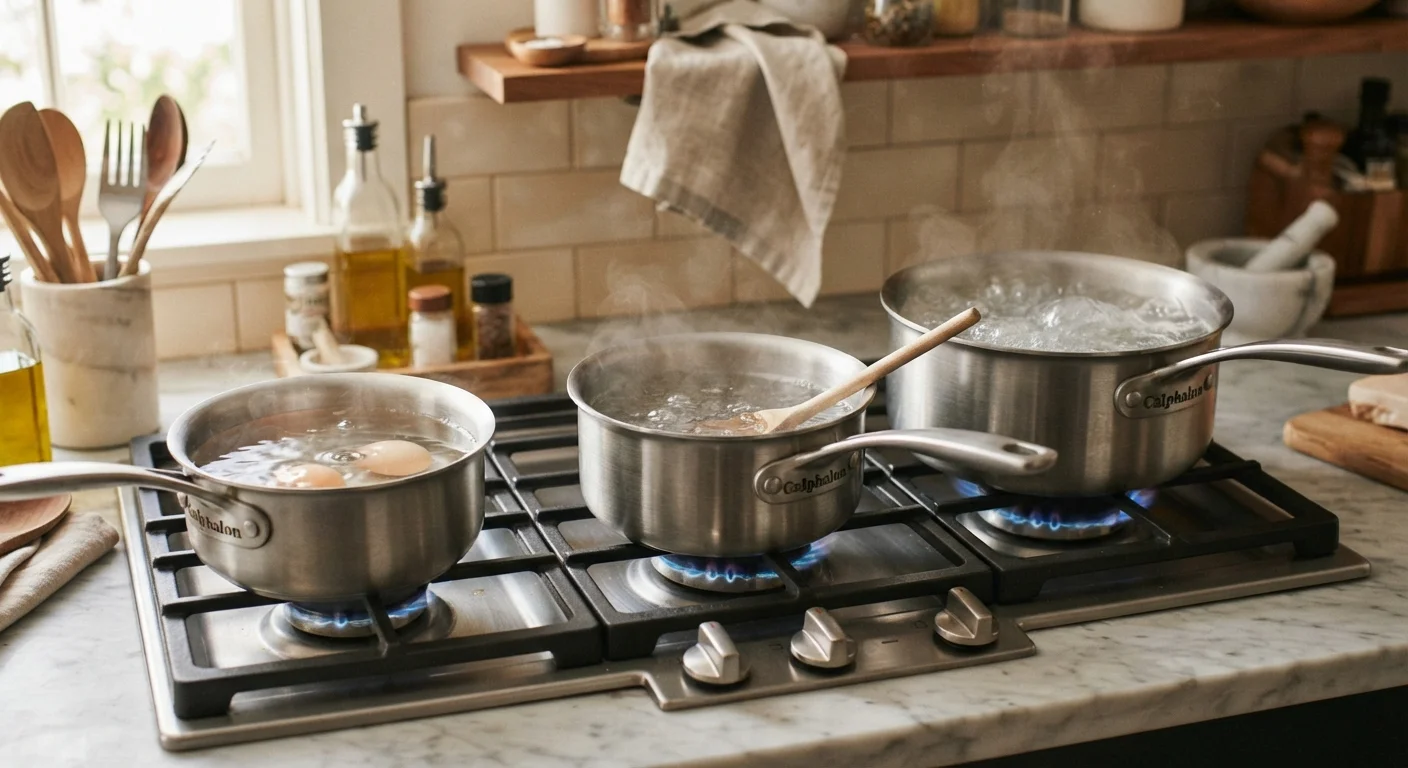
Photo: InsightsVilla.com | Quick Search. Right Info editorial
Key Takeaways
- Boiling (212°F) is aggressive and best for pasta, grains, and blanching vegetables.
- Simmering (185-205°F) uses gentler heat ideal for soups, stews, and braised meats.
- Poaching (160-180°F) is the mildest method, producing tender, delicate proteins like eggs and fish.
- Visual cues - bubble size and frequency - are the most reliable way to identify each temperature.
- Using the wrong method can turn tender fish rubbery or leave stew meat tough.
Why the Difference Actually Matters
If you've ever followed a recipe that said "simmer" but let things boil, or poached chicken only to end up with something dry and stringy, you've already experienced why these distinctions are worth knowing. These aren't arbitrary cooking terms - they describe specific temperature ranges that affect texture, flavor, and how proteins, starches, and fats behave in liquid.
All three are forms of moist-heat cooking, meaning the food is cooked in or surrounded by liquid. But the energy level of that liquid changes everything. Think of it like the difference between a brisk walk, a light jog, and a full sprint - same road, very different outcomes.
If you want to understand how heat interacts with your cooking more broadly, our piece on the four elements that make home cooking click lays out a great foundation.
A Simple Visual Test for Any Pot
Boiling: High Heat, Rolling Action
Boiling happens at 212°F (100°C) at sea level - the point where water turns vigorously turbulent with large, rapidly breaking bubbles across the whole surface. You can't miss it. This kind of aggressive agitation is actually useful for specific tasks: cooking dried pasta, boiling potatoes, blanching vegetables, or cooking grains like rice and farro.
The turbulence keeps starchy foods moving so they don't clump or stick. It also sets the color in green vegetables quickly before enzymes can dull them - that's why blanching in boiling water followed by an ice bath keeps broccoli bright.
What boiling is not good for: proteins like fish, chicken, or eggs. The fierce heat causes proteins to tighten rapidly, squeezing out moisture and producing a rubbery or grainy texture. A full boil will also make a broth cloudy and slightly bitter from agitated fat and impurities.
212°F
Water's boiling point at sea level
This is the maximum temperature liquid water reaches before turning to steam, regardless of how high you turn the burner.
~25°F
Temperature gap between poaching and boiling
That roughly 25-50°F difference between poaching and a full boil is enough to mean the difference between silky eggs and rubbery ones.
Simmering: The Workhorse of Everyday Cooking
Simmering sits between about 185°F and 205°F. At a simmer, you'll see small, steady bubbles rising from the bottom of the pot and occasionally breaking the surface - active but controlled. This is the temperature range most soups, stews, braises, and bean dishes spend the majority of their cooking time in.
Lower heat over a longer period gives tough connective tissue (like collagen in short ribs or chicken thighs) time to break down into gelatin, which is what gives a well-cooked braise its rich, silky quality. Rushing that process with a full boil toughens the meat rather than tenderizing it.
Simmering also allows flavors to concentrate and meld gradually without scorching or over-reducing. When a recipe says "bring to a boil, then reduce to a simmer," the boiling phase is just getting the liquid hot fast - the actual cooking happens at the lower temperature.
For a related look at how heat behaves in dry cooking, see our comparison of roasting vs. baking.
Poaching: Low and Gentle for Delicate Foods
Poaching operates at the lowest range - roughly 160°F to 180°F. At this temperature, the liquid is hot but barely moving: you might see a few wisps of steam and the occasional small bubble drifting up, but no real turbulence. It looks almost like nothing's happening, which is exactly the point.
This gentle environment is ideal for proteins that are naturally tender and can easily overcook: eggs, fish fillets, shrimp, and boneless chicken breasts. The low heat allows them to cook through without seizing up. A poached egg set in barely quivering water holds its shape while the white sets softly around a still-runny yolk. The same egg dropped into a rolling boil would disintegrate.
Poaching liquid can be plain salted water, broth, wine, or a flavored court bouillon - and those flavors do penetrate the food somewhat, which is a secondary benefit. Knowing the right internal temperatures for proteins helps confirm doneness without guessing; our internal temperature guide is a handy reference here.
Don't Let a 'Poach' Turn Into a Boil
How to Read the Pot (Not the Clock)
Recipes often give time ranges, but visual and tactile cues are more reliable than a timer for moist-heat cooking. Here's a quick reference for what you should actually see:
- Poaching: Liquid looks still with faint shimmer; occasional tiny bubble at the bottom; steam rising steadily.
- Simmering: Small bubbles rise and break the surface regularly but not frantically; liquid has some movement.
- Boiling: Large, vigorous bubbles constantly breaking the surface; obvious agitation throughout the pot.
If a recipe says simmer and your pot is at a full boil, just turn the burner down and wait a minute - it'll settle. If things aren't moving enough for a simmer, nudge the heat up slightly rather than waiting and guessing. For more on developing this kind of intuitive reading of a recipe, reading a recipe like a cook covers exactly that.
| Poaching | Simmering | Boiling | |
|---|---|---|---|
| Temperature range | 160-180°F | 185-205°F | 212°F |
| Visual cue | Still liquid, faint bubbles | Steady small bubbles | Vigorous rolling bubbles |
| Best for | Eggs, fish, delicate proteins | Soups, stews, braises, beans | Pasta, grains, blanching |
| Effect on proteins | Tender, moist texture | Gradual tenderizing over time | Firms and tightens quickly |
| Broth clarity | Clear | Mostly clear | Cloudy from agitation |
| Cooking speed | Slow | Moderate | Fast |
The content on this site is for informational purposes only and is not a substitute for professional advice. Always consult a qualified professional for guidance specific to your situation.