
A Practical Look at Non-Alcoholic Cocktails for Curious Drinkers

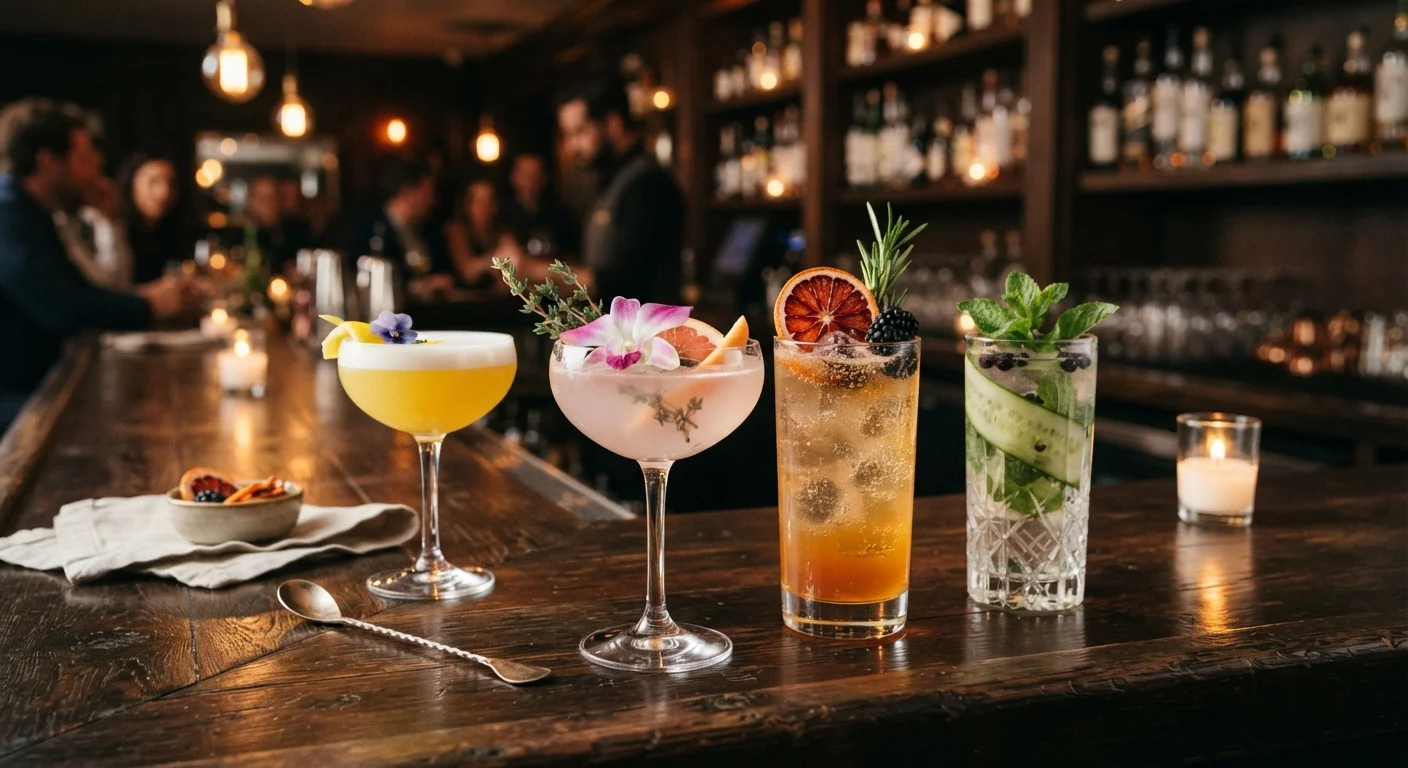
Photo: InsightsVilla.com | Quick Search. Right Info editorial
Key Takeaways
- A well-crafted mocktail balances sweetness, acidity, bitterness, and carbonation - just like a classic cocktail.
- Simple syrup, shrubs, and non-alcoholic spirits are key pantry additions for zero-proof mixing.
- Fermented beverages like kombucha can add depth and complexity to alcohol-free drinks.
- Good mocktails rely on layered flavor, not just fruit juice poured over ice.
- Home mocktail making requires minimal equipment - a shaker, jigger, and quality ice go a long way.
What Makes a Non-Alcoholic Cocktail Different from Plain Juice?
Pour apple juice into a glass and you have apple juice. Add fresh lemon, a sprig of rosemary, a touch of honey syrup, and a splash of sparkling water - now you have something that demands a little more attention. That's the core idea behind a well-made mocktail: intention.
Alcohol does a lot of invisible work in a traditional cocktail. It carries flavor compounds, adds a warming sensation, thins the sweetness of syrups, and gives a drink a certain textural weight. Remove it and you have a gap to fill. The best zero-proof drinks fill that gap with acidity, carbonation, bitterness, and aromatics working together - not just fruit juice poured over ice.
Understanding this distinction matters because it sets realistic expectations. A mocktail isn't trying to fool you; it's trying to give you something genuinely interesting to drink. And when the balance is right, it absolutely can.
Zero-proof
A drink that contains no alcohol, or an amount so small it's negligible. The term is often used interchangeably with 'non-alcoholic' in the beverage industry.
Shrub
A concentrated syrup made from fruit, sugar, and vinegar, used as a cocktail or mocktail mixer. Also called a drinking vinegar.
Non-alcoholic bitters
A concentrated flavoring made from botanicals, spices, and herbs with no (or trace) alcohol. Used in small dashes to add complexity and a hint of bitterness to drinks.
Simple syrup
A liquid sweetener made by dissolving sugar in water, used to sweeten cocktails and mocktails evenly without graininess.
Muddling
Gently pressing herbs, fruit, or sugar with a blunt tool (a muddler) to release juices and aromatic oils into a drink.
Shrub
A sweet-tart syrup made by combining fruit, sugar, and vinegar - adds bold flavor complexity in small amounts.
The Building Blocks of a Great Zero-Proof Drink
Think of any good drink in terms of four pillars: sweet, sour, bitter, and effervescent. Classic cocktails balance these naturally. Mocktails need to achieve the same balance deliberately.
- Sweet: Simple syrup is the workhorse here. A basic 1:1 ratio of sugar to water dissolves easily and mixes cleanly. See our guide to making simple syrup at home for ratios and flavor variations worth trying.
- Sour: Fresh citrus juice - lemon, lime, grapefruit - provides acidity that lifts and brightens the drink. Bottled juice works but fresh makes a noticeable difference.
- Bitter: This is where many mocktails fall flat. Non-alcoholic bitters (widely available in small bottles) add complexity. Tonic water, grapefruit peel, or a small amount of strong brewed tea can serve a similar role.
- Effervescent: Sparkling water, tonic water, or kombucha all add the carbonation that makes a drink feel lively rather than flat. For more on kombucha as a mixer, see our overview of fermented drinks including kombucha.
Start With One Good Syrup
Common Ingredients Worth Knowing
Beyond the basics, a few ingredients come up repeatedly in zero-proof mixing and are worth understanding before you start shopping.
- Shrubs (drinking vinegars)
- Made by combining fruit, sugar, and vinegar, shrubs are intensely flavorful and shelf-stable. A tablespoon adds bright, tangy depth without any alcohol.
- Non-alcoholic spirits
- These are distilled or blended botanical products designed to mimic the flavor profile of gin, whiskey, or rum - without the ethanol. Quality varies considerably. They work best as one layer in a built drink rather than the sole focus.
- Flavored syrups and cordials
- Elderflower cordial, orgeat (an almond syrup), and ginger syrup are versatile additions. A small bottle goes a long way.
- Fresh herbs and aromatics
- Mint, basil, thyme, and rosemary add aroma that you experience before you even sip. Bruising them gently (not mashing) releases the right amount of oil.
When shopping for juice-based mixers, it's worth knowing what you're actually buying. Our piece on juice vs. juice drink vs. juice cocktail labels explains the federal labeling distinctions that can affect sweetness, flavor, and cost.
A Note on Kombucha and Alcohol Content
How to Start Making Mocktails at Home
You don't need a full bar setup. A cocktail shaker, a jigger (small measuring cup), a fine mesh strainer, and quality ice are enough to get started. Large, clear ice cubes melt more slowly and dilute less - worth the minor extra effort if you're curious.
A simple framework for building your first drink at home:
- Pick a base flavor - citrus, berry, stone fruit, or herbal.
- Add your sweet component (syrup or cordial) and sour component (fresh citrus) in roughly equal parts to start.
- Include something bitter or complex - a dash of non-alcoholic bitters, a little tonic, or a brewed tea.
- Shake with ice and strain into a chilled glass, or build directly over ice and top with sparkling water.
- Garnish with whatever aromatic makes sense - a twist of citrus peel, a sprig of herb, a slice of fruit.
Taste as you go. Mocktail making is forgiving because you can adjust easily - a little more lemon here, a touch more syrup there. Once you have a few combinations you enjoy, proper storage matters too. Check out drink storage basics to keep your mixers and prepared syrups in the best shape.
Watch the Sugar in Store-Bought Mixers
Frequently Asked Questions
The content on this site is for informational purposes only and is not a substitute for professional advice. Always consult a qualified professional for guidance specific to your situation.