
Drink Storage Basics: What Belongs in the Fridge and What Doesn't

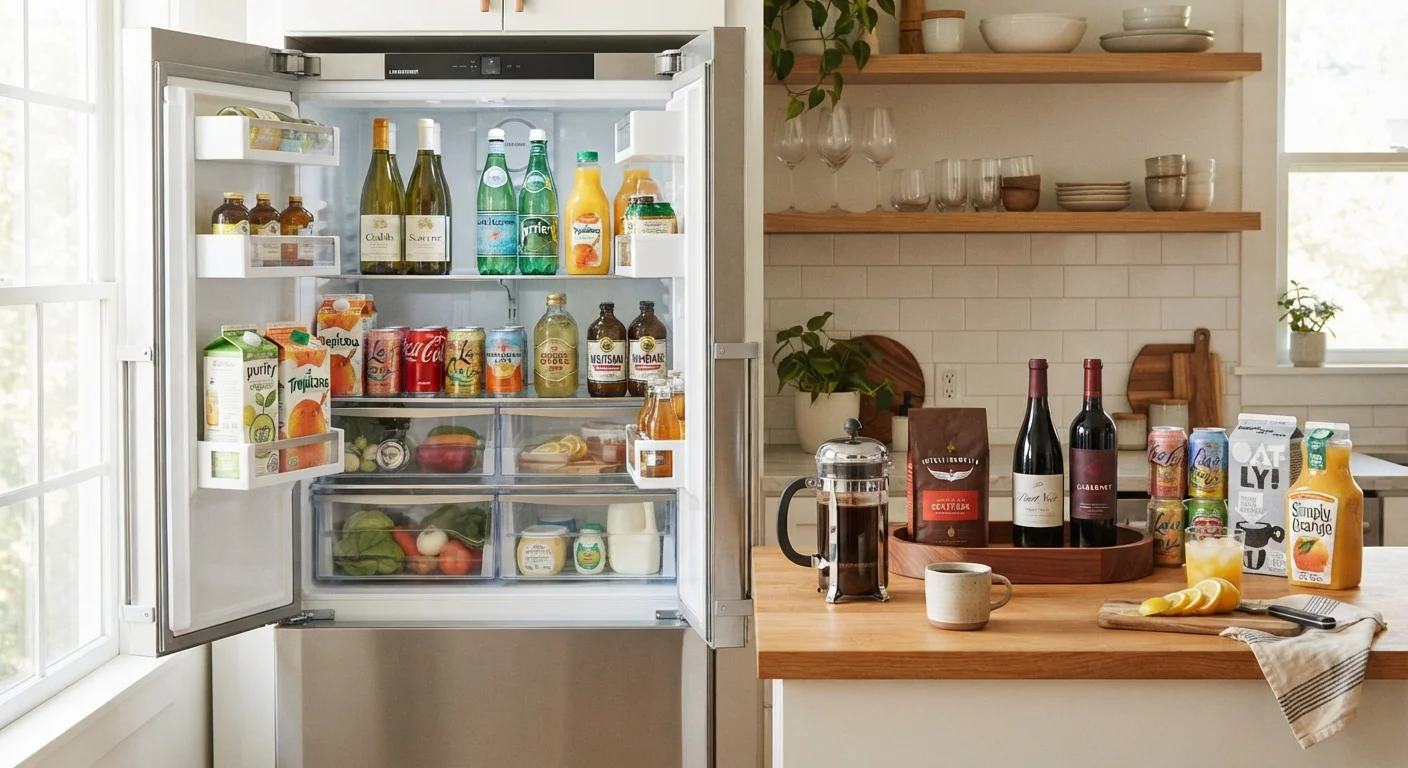
Photo: InsightsVilla.com | Quick Search. Right Info editorial
Key Takeaways
- Opened juices and plant-based milks must be refrigerated and used within a few days.
- Many wines are ruined by fridge storage long-term; temperature stability matters most.
- Shelf-stable sodas and canned drinks don't need refrigeration until opened.
- Cold brew and brewed coffee keep well in the fridge for up to two weeks and four days respectively.
- Certain drinks - like spirits and honey-based beverages - are actually damaged by cold.
Why Drink Storage Actually Matters
Most of us default to tossing everything in the fridge or leaving things out wherever there's counter space. But beverage storage has real consequences: wrong temperatures accelerate spoilage, flatten carbonation, kill delicate aromas, or - in the case of some fermented drinks - cause unexpected over-pressurization. Getting it right isn't complicated once you know the logic behind it.
This checklist walks through the most common drink categories Americans keep at home, with clear guidance on where each one lives, why, and for how long. Use it to audit your kitchen setup or as a quick reference the next time you're unpacking groceries.
If you're curious about how fermented beverages like kombucha behave during storage, check out our guide to fermented drinks - they have some quirks worth knowing about.
Refrigerate Always (Opened or Perishable)
Room Temperature is Fine (Unopened or Shelf-Stable)
Wine and Beer: Follow the Drink's Purpose
Final Storage Audit
Tools and Supplies That Help
You don't need anything fancy to store drinks correctly, but a few inexpensive items make a real difference - especially if you're managing opened bottles or temperature-sensitive beverages.
Refrigerator thermometer
Confirms your fridge is running at a safe temperature (35-40°F) for perishable drinks.
Wine stoppers or vacuum pump stoppers
Seals opened wine bottles to slow oxidation and extend freshness in the fridge.
Airtight glass or BPA-free pitchers
Ideal for storing cold brew, iced tea, or juice in the fridge without absorbing odors.
Pantry-safe storage bins
Keeps shelf-stable beverages organized and protected from light on open shelving.
Wine cooler or beverage mini-fridge
Maintains a stable 55°F for wine storage without the drying effect of a standard refrigerator.
Common Mistakes to Avoid
Even with good intentions, a few habits trip people up consistently. Storing an unopened shelf-stable juice box in the fridge isn't harmful, but it wastes prime cold space. More importantly, leaving opened juices out on the counter - especially freshly squeezed or cold-pressed varieties - is a food safety issue, not just a quality one.
Wine is another common source of confusion. Most table wines are best served slightly cool, but storing them long-term in a standard refrigerator (which runs around 35-38°F) can dry out corks and mute flavors. A dedicated wine cooler or a consistently cool, dark spot - around 55°F - is ideal for anything you're keeping longer than a week.
Don't Store Coffee Beans in the Fridge
Opened Juice Left Out Is a Safety Issue
For anyone mixing up creative zero-proof drinks at home, correct storage of mixers, syrups, and juice components becomes especially important. Our non-alcoholic cocktail guide covers the ingredient basics. And if you're label-reading your juice cartons, our piece on juice vs. juice drink vs. juice cocktail explains what those distinctions mean for freshness and storage too.
When in Doubt, Check the Label
The content on this site is for informational purposes only and is not a substitute for professional advice. Always consult a qualified professional for guidance specific to your situation.