
Fermented Drinks Explained: Kombucha, Kefir, and Jun Tea

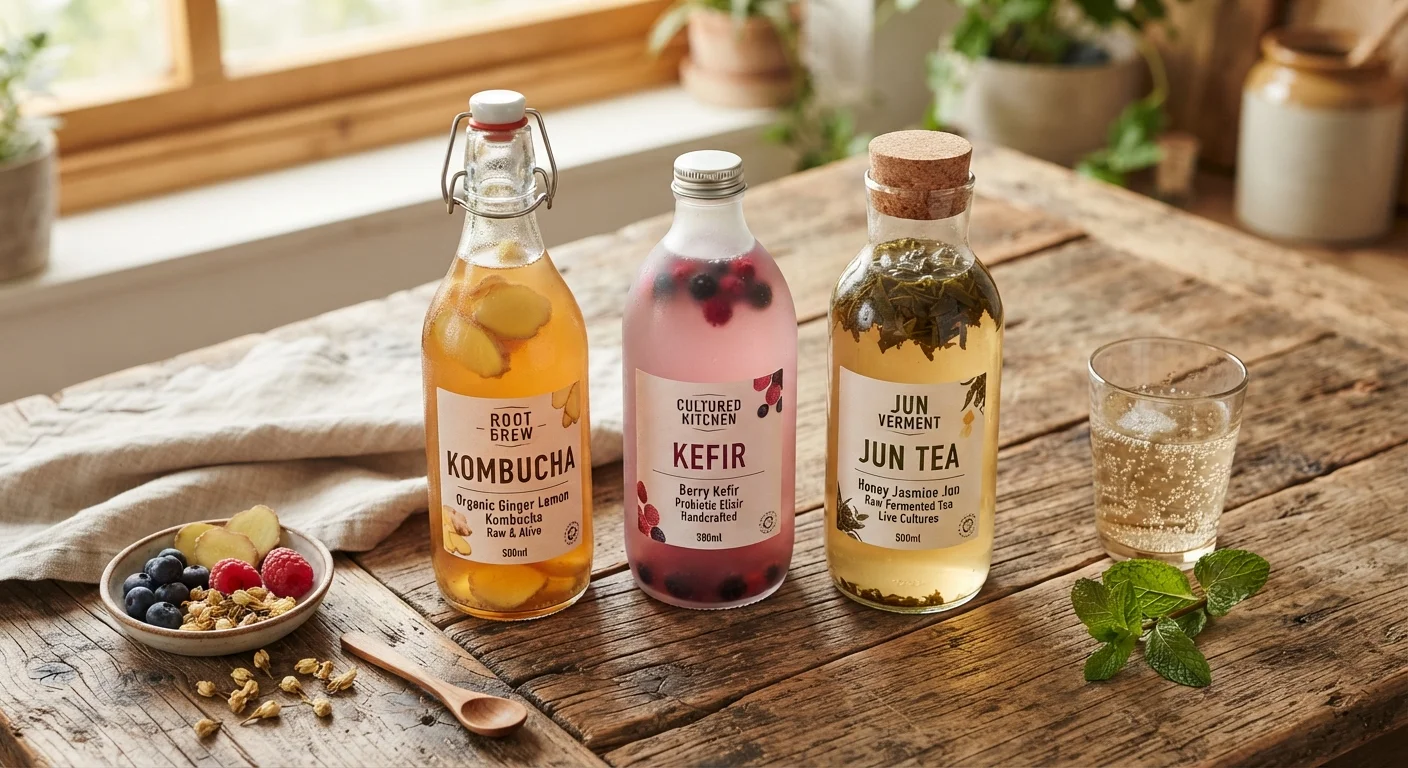
Photo: InsightsVilla.com | Quick Search. Right Info editorial
Key Takeaways
- Kombucha is made from sweetened black or green tea fermented with a SCOBY.
- Kefir is a fermented dairy drink, though water kefir is a dairy-free alternative.
- Jun tea is similar to kombucha but uses green tea and honey instead of black tea and cane sugar.
- All three drinks contain live cultures, but their flavor profiles and ingredients are quite different.
- Commercially bottled versions vary significantly from homemade batches in taste and culture content.
What Makes a Drink Fermented?
Fermentation is one of the oldest food-preservation and flavor-development techniques humans have used. In the context of beverages, it means a liquid has been intentionally colonized by live microorganisms - bacteria, yeast, or a combination - that consume sugars and produce byproducts including organic acids, carbon dioxide, and sometimes alcohol.
That transformation is what gives fermented drinks their characteristic sourness, effervescence, and depth. It's also what distinguishes them from simply carbonated beverages. If you've ever wondered how kombucha compares to, say, sparkling water or club soda, the difference is biological activity - sparkling water and its cousins are carbonated mechanically, not fermented.
$3.8B
US kombucha market value (estimated)
Industry analysts have estimated the US kombucha market has grown into a multi-billion-dollar category over the past decade, reflecting broader consumer interest in fermented beverages.
0.5%
Maximum ABV in commercial kombucha (US law)
Under US regulations, beverages at or below 0.5% alcohol by volume are classified as non-alcoholic, which is the threshold most commercial kombucha producers target.
~24 hrs
Typical kefir fermentation time
Traditional dairy kefir generally ferments at room temperature for approximately 24 hours, after which the grains are strained out and the drink is ready to consume or refrigerate.
Kombucha: The One You've Probably Seen Everywhere
Kombucha starts with sweetened tea - most commonly black tea, though green tea versions exist - that is fermented using a SCOBY (symbiotic culture of bacteria and yeast). The SCOBY floats on the surface of the liquid and, over one to four weeks, converts sugars into acids and trace alcohol, producing a tangy, lightly effervescent drink.
The flavor profile ranges from mildly tart to vinegar-forward, depending on fermentation length and any secondary flavoring added (ginger, berry, and citrus are popular additions in commercial versions). Kombucha has become a fixture in US grocery refrigerator sections, though the bottled products you find at the store can differ significantly from home-brewed batches in terms of culture content and taste.
Sugar content is worth noting. The starting tea is sweetened, but fermentation consumes a portion of that sugar - how much depends on how long the brew ferments. If you're curious about how that compares across popular drinks, our piece on sugar in common beverages puts it in useful context.
Kefir: The Fermented Dairy Drink with a Long History
Traditional dairy kefir is a fermented milk drink made by adding kefir grains - small, cauliflower-like clusters of bacteria and yeast - to cow's, goat's, or sheep's milk. Over roughly 24 hours, the cultures ferment the lactose in the milk, creating a tangy, slightly fizzy, pourable drink with a consistency thinner than yogurt.
Kefir has roots in the Caucasus region and has been consumed for centuries. In the US today, you'll find it in most supermarkets in both plain and flavored varieties. Water kefir is a dairy-free alternative made with sugar water or coconut water and a different set of grains - useful for those avoiding dairy while still wanting a fermented option.
Starting with Kefir? Try Plain First
Because kefir involves dairy, it's not the right choice for people with a milk allergy (as opposed to lactose intolerance - some people with lactose intolerance tolerate kefir better because fermentation reduces lactose content, though this varies individually). Anyone with specific dietary concerns should check with a healthcare professional.
Jun Tea: The Lesser-Known Third Option
Jun tea is the most obscure of the three - you're less likely to spot it at a corner store, though specialty and natural food shops increasingly carry it. Like kombucha, it's made with tea and fermented with a SCOBY, but there are two key differences: jun uses green tea instead of black, and it's sweetened with honey rather than cane sugar.
Those ingredient swaps produce a noticeably different drink. Jun tends to be lighter in color, more delicate in flavor, and carries a subtle floral character that kombucha generally doesn't. The honey also contributes a mild sweetness that balances the tartness more gently. If you enjoy nuanced, tea-forward flavors - and you're already curious about what green tea brings to the table - jun is worth seeking out.
Jun Tea Is Harder to Find - But Worth the Hunt
Jun SCOBYs and kombucha SCOBYs are related but not identical - jun cultures are said to be adapted to honey and green tea, while kombucha cultures are tuned to cane sugar and black tea. Some home brewers experiment with crossover, though results vary.
How They Compare at a Glance
Here's a quick reference for the three drinks side by side:
| Drink | Base Liquid | Sweetener | Culture Type | Flavor Profile |
|---|---|---|---|---|
| Kombucha | Black or green tea | Cane sugar | SCOBY | Tart, vinegary, fizzy |
| Kefir | Milk (or water) | Lactose (or added sugar) | Kefir grains | Creamy, tangy, mildly sour |
| Jun Tea | Green tea | Honey | Jun SCOBY | Light, floral, gently tart |
All three are legitimate fermented beverages with live cultures. None of them are the same as an energy drink, a sparkling juice, or a probiotic supplement - though some share shelf space with those products. If you're exploring alternatives to conventional sodas, they can all make interesting additions to your beverage rotation alongside options like non-alcoholic cocktails.
“Fermentation is not just preservation - it's transformation. The microbes that ferment food and drink are doing chemistry that changes flavor, texture, and nutritional composition in ways we're still working to fully understand.”
— Dr. Maria Marco, Professor of Food Science and Technology, University of California, Davis
This article is for informational purposes only and is not medical or dietary advice. If you have health conditions or concerns about adding fermented drinks to your diet, consult a qualified healthcare professional.
Frequently Asked Questions
The content on this site is for informational purposes only and is not a substitute for professional advice. Always consult a qualified professional for guidance specific to your situation.