
The Moments New Drivers Get Wrong Most Often

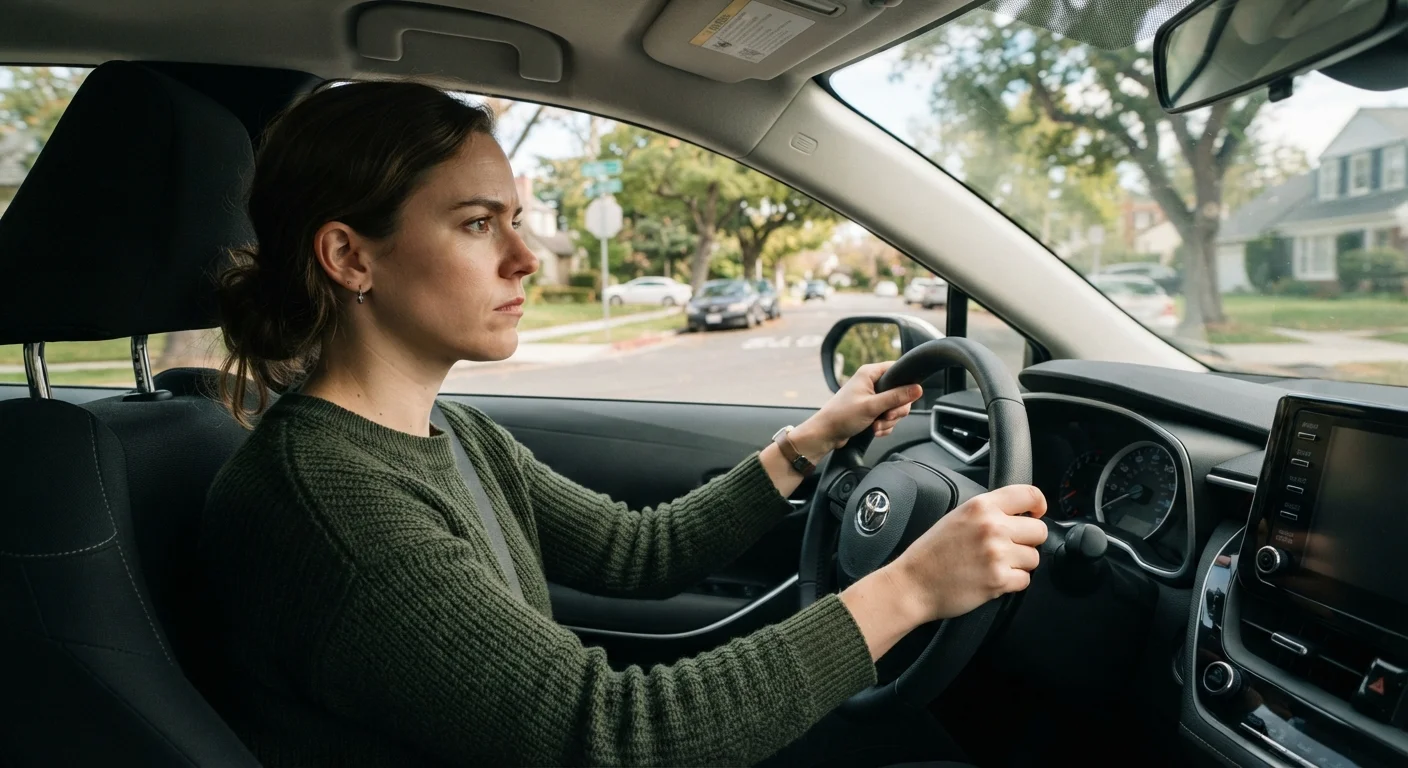
Photo: InsightsVilla.com | Quick Search. Right Info editorial
Key Takeaways
- New drivers most often struggle with speed management, merging, and reading intersections accurately.
- Many early mistakes stem from overconfidence or anxiety - both distort judgment in opposite ways.
- Correcting these habits early prevents them from becoming deeply ingrained and harder to unlearn.
- Structured practice in high-risk scenarios - merging, night driving, roundabouts - accelerates skill development.
Why New Drivers Make Predictable Mistakes
Every new driver enters traffic with a knowledge gap that no written test fully closes. The licensing exam measures rule recall; actual driving demands split-second spatial awareness, anticipation, and calm under pressure. That gap is where most early errors live.
Research consistently shows that crash risk peaks in the first 12 to 24 months of independent driving. This isn't simply inexperience - it's a specific pattern of misjudgments that appear across different drivers, roads, and conditions. Understanding that pattern is the first step toward interrupting it.
The mistakes below aren't rare edge cases. They're the recurring errors that show up in driver training programs, crash data, and the accounts of driving instructors nationwide. Recognizing them - before you make them - gives you a meaningful head start.
The Most Common Errors - and How to Correct Them
Following too closely at highway and city speeds.
Misjudging speed and gap when merging onto a highway.
Treating a yellow light as an automatic stop command.
Not checking blind spots before lane changes.
Overcorrecting after drifting slightly within a lane.
Assuming right-of-way without verifying other drivers will yield.
For a deeper look at one of the trickiest intersections new drivers face, see our guide to navigating roundabouts. And if highway driving is on your horizon, merging without cutting people off breaks down the technique step by step.
The Overconfidence Trap and How to Recognize It
Familiarity Is Not the Same as Mastery
A common turning point for new drivers happens around the 3-to-6-month mark: the controls feel natural, routes feel familiar, and the early anxiety fades. That comfort is genuinely good progress - but it can quietly lower the mental guard that keeps driving safe.
Overconfidence doesn't announce itself. It shows up as abbreviated mirror checks, shorter following distances, and a tendency to assume other drivers will behave predictably. The antidote isn't fear - it's structured awareness. Deliberately scanning intersections, checking mirrors on a consistent cycle, and giving yourself more reaction time than you think you need are habits that experienced low-risk drivers maintain indefinitely.
Defensive driving versus aggressive driving isn't just a mindset for advanced drivers - it's the framework that keeps early confidence from becoming a liability.
Building Habits That Actually Stick
~50%
Crash risk reduction with supervised practice hours
Studies cited by the Insurance Institute for Highway Safety suggest graduated licensing programs that require supervised driving hours are associated with meaningful reductions in early-driver crash rates.
12-24 months
Highest-risk window for new drivers
Crash data from the IIHS and NHTSA consistently identifies the first one to two years of independent driving as the period of greatest crash risk for new license holders.
3 seconds
Minimum recommended following distance
The three-second following distance rule is widely recommended by traffic safety organizations as the minimum gap needed to react and stop safely under normal road conditions.
Skill in driving is largely habit-based, which means the patterns formed in the first year tend to persist. Deliberate practice in challenging scenarios - nighttime driving, highway merging, unfamiliar intersections - builds the automatic responses that protect you when conditions get difficult.
Parents guiding new teen drivers can find practical structure in our teen driver safety guide, which covers graduated licensing and supervised practice strategies. For drivers of any age looking to solidify long-term habits, safe driving habits that hold up across any road or condition outlines the consistent practices that low-risk drivers apply every time they're behind the wheel.
One area that deserves specific early attention: blind spots. Mirrors have limits that many new drivers don't fully appreciate. Our guide to blind spots and mirror gaps explains where visibility breaks down and what head checks actually cover - a critical foundation for lane changes and merging at any experience level.
The content on this site is for informational purposes only and is not a substitute for professional advice. Always consult a qualified professional for guidance specific to your situation.