
Merging on the Highway Without Holding Up Traffic or Cutting People Off

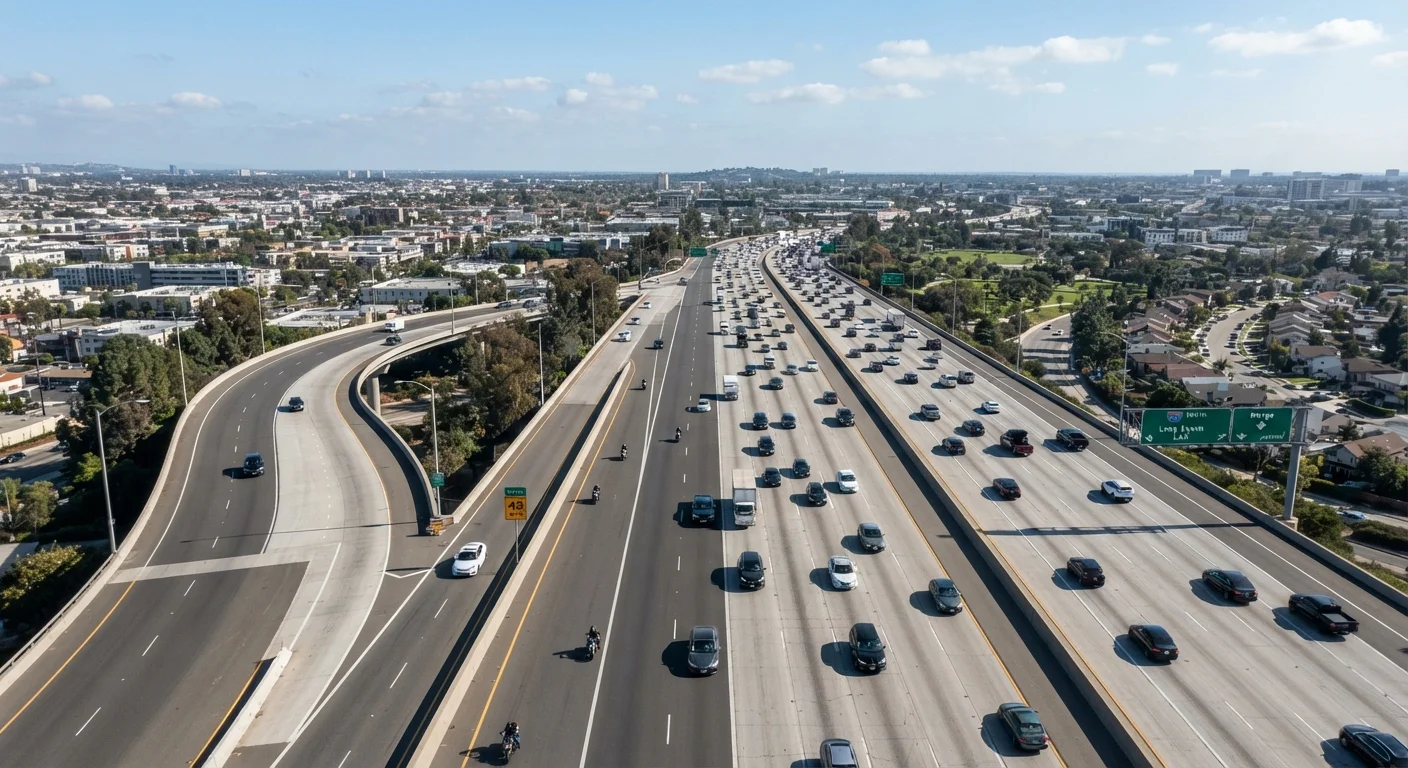
Photo: InsightsVilla.com | Quick Search. Right Info editorial
Key Takeaways
- Match highway traffic speed before reaching the merge point - not after.
- Identify a safe gap of at least 4 seconds before committing to a merge.
- Signal early and consistently so nearby drivers can anticipate your movement.
- Never stop on an on-ramp unless traffic is completely at a standstill.
- Check mirrors and perform a head check to cover blind spots before moving over.
Why Highway Merging Feels Harder Than It Should
Merging anxiety is extremely common, even among experienced drivers. The combination of high speed, limited time, and the social pressure of other vehicles creates a cognitive load that can cause hesitation at exactly the wrong moment. Most merge errors trace back to two root causes: entering the highway too slowly, or waiting too long to identify a gap.
Understanding the structure of an on-ramp helps. The acceleration lane - the section between the ramp and the white dashed line - is your runway. It's designed to give you distance to build speed. Treat it that way. Drivers who treat the acceleration lane as a place to wait for an invitation consistently create the bottlenecks and near-misses they're trying to avoid.
Merging misjudgments are among the most common early driving errors - but they're also among the most correctable. The steps below give you a repeatable, confidence-building process you can apply every time.
What you will need
Step-by-Step: How to Merge Without Disrupting Traffic
Follow these steps every time you approach a highway on-ramp. With repetition, this sequence becomes automatic.
Scan highway traffic as you enter the on-ramp
The moment you turn onto the on-ramp, begin observing the highway - not just the road in front of you. Check your mirrors and look ahead to the merge point. Identify how fast traffic is moving, how dense it is, and whether any large vehicles like trucks are in the right lane. This early read gives you several seconds to plan your merge before you actually need to execute it.
Build speed on the acceleration lane
The acceleration lane exists for one reason: to let you reach highway speed before merging. Accelerate steadily and purposefully so that your speed matches the flow of traffic by the time you reach the merge point. Drivers who are significantly slower than traffic create dangerous speed differentials that force others to brake or swerve.
Signal your merge intention early
Activate your turn signal as soon as you're committed to merging - ideally while you're still on the acceleration lane. Signaling early is not a request for permission; it's a communication tool that allows highway drivers to anticipate your movement and adjust their following distance accordingly. Waiting until the last second to signal is one of the most common merge errors drivers make.
Identify a safe gap in traffic
Look for a gap in the right lane that gives you enough room to enter without forcing anyone to brake. A practical standard: your target gap should be at least 4 seconds of space - the vehicle ahead of your intended entry point should be roughly 4 seconds away from you at current speed. If no gap is available, adjust your speed on the acceleration lane (slightly faster or slower) to align with one. Do not force a merge when the gap is too tight. For more on how distance and speed interact, see what following distance means at highway speeds.
Check mirrors and perform a head check
Before committing to the lane change, check your left mirror and then perform a brief head check over your left shoulder to cover your blind spot. Mirrors alone cannot show you every vehicle in an adjacent lane. A quick glance takes less than a second and can reveal a car that your mirrors missed entirely. Learn more about where these gaps form in our guide on blind spots and mirror coverage.
Merge smoothly and match lane speed
Once your gap is confirmed and your mirrors are clear, steer gradually into the lane - no sharp cuts. Maintain or slightly adjust your speed to match the vehicle ahead of you in the new lane. Settle into the right lane, turn off your signal, and resume normal following distance. Avoid braking immediately after merging unless traffic conditions require it.
Zipper Merging Is Efficient and Legal
Never Stop on an On-Ramp Unless Absolutely Necessary
Speed Matching Is Non-Negotiable
For broader context on building safe highway habits, see our overview of safe driving habits that hold up across any condition.
What to Do When the Merge Doesn't Go as Planned
Even with proper technique, you'll occasionally face a situation where no clean gap appears and the acceleration lane is running out. In that case, your options are:
- Adjust your speed: Speed up slightly or ease off the accelerator to align with an opening in the next wave of traffic.
- Use the merge area fully: The merge area extends to the dashed white line. You have the full length of it - don't rush to merge before you've used your available distance.
- Communicate clearly: Keep your signal on. Highway drivers will often create a gap for a driver who is signaling clearly and moving with intention.
What you should not do: cut across a lane sharply, brake suddenly in the lane of travel, or freeze. Decisive, smooth movement - even imperfect - is almost always safer than hesitation.
If you're regularly struggling with highway confidence, revisiting core concepts like following distance at speed can help you better read the gaps available to you.
The content on this site is for informational purposes only and is not a substitute for professional advice. Always consult a qualified professional for guidance specific to your situation.