
Teen Driver Safety: What Parents and New Drivers Need to Understand Together

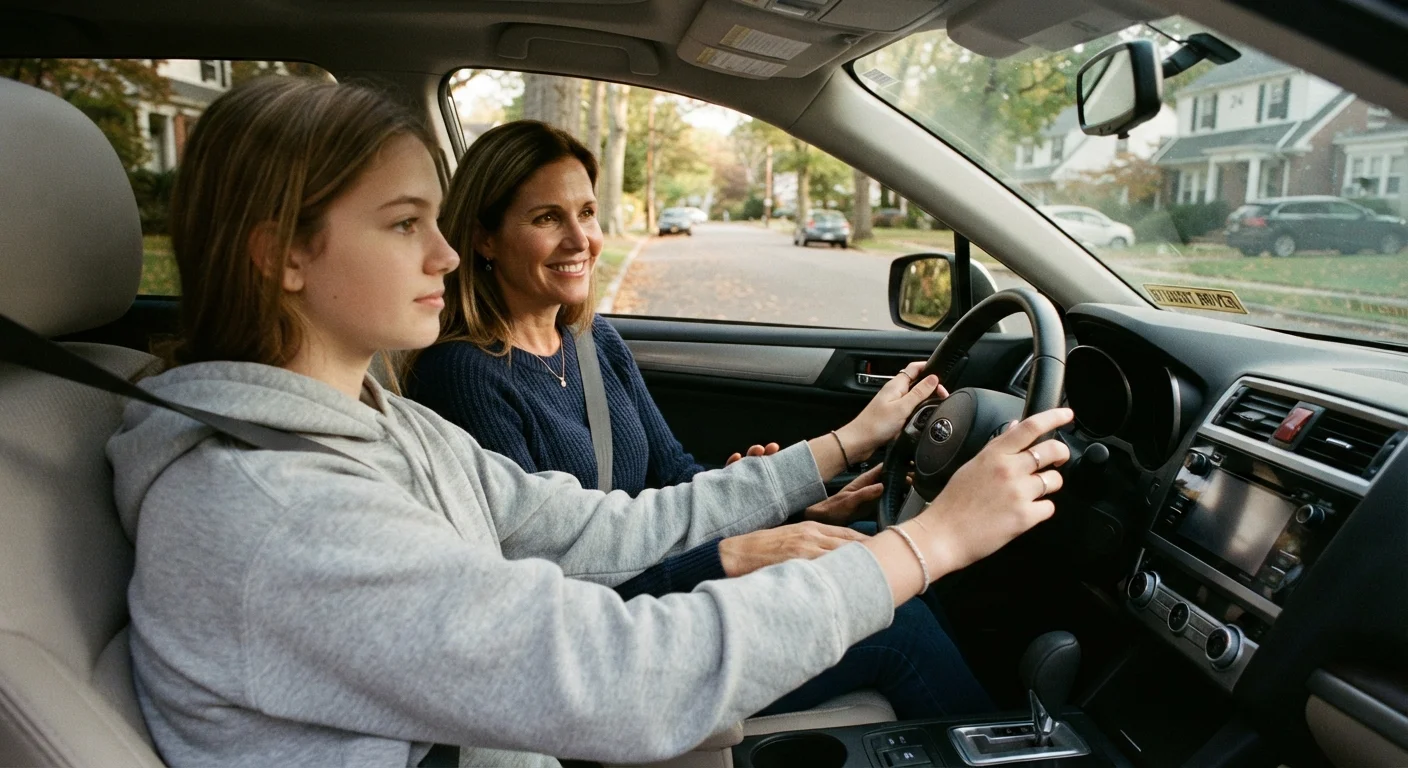
Photo: InsightsVilla.com | Quick Search. Right Info editorial
Key Takeaways
- Teen drivers are at significantly higher crash risk during their first two years of independent driving.
- Graduated Driver Licensing (GDL) programs reduce risk by limiting high-risk conditions early on.
- Quality supervised practice - varied, deliberate, and debriefed - matters more than hours alone.
- Open, judgment-free conversations between parents and teens are a proven safety factor.
- Distraction, passengers, and nighttime driving are the three conditions that raise teen crash risk most.
Why Teen Drivers Face Higher Crash Risk
Motor vehicle crashes are a leading cause of death for teenagers in the United States. This isn't because teens are reckless by nature - it's because driving is a complex skill that demands experience the brain hasn't yet had time to build. Two separate factors compound each other: underdeveloped hazard perception and a brain that is still maturing through the mid-twenties, particularly in areas that govern impulse control and risk assessment.
The crash risk is highest in the first six to twelve months of independent driving. During this window, new drivers encounter situations they haven't faced before and lack the automatic responses that come only with practice. Common errors - misjudging gaps when merging, underestimating stopping distance, or being caught off guard at intersections - are explored in detail in our article on the moments new drivers get wrong most often.
Graduated Driver Licensing (GDL)
A multi-stage licensing system that gradually introduces driving privileges to new drivers, reducing exposure to high-risk conditions until experience builds.
Hazard perception
The ability to anticipate and identify potential dangers on the road before they become emergencies - a skill that develops with practice over time.
Restricted license
The intermediate GDL stage where a teen can drive independently but with specific limits, such as no late-night driving or restrictions on the number of teen passengers.
Following distance
The space maintained between your vehicle and the one ahead, measured in time. A three-second gap is a widely recognized minimum for normal driving conditions.
Learner's permit
The first stage of GDL, allowing a teen to practice driving only when accompanied by a licensed adult supervisor.
How Graduated Driver Licensing Works
Every U.S. state uses some form of Graduated Driver Licensing (GDL) - a system that introduces new driving privileges in stages rather than all at once. While details differ by state, GDL programs typically move through three phases: a supervised learner's permit, a restricted license with conditions, and a full license.
- Learner's permit phase: The teen may only drive with a licensed adult present. This is when the bulk of supervised practice hours are logged.
- Restricted license phase: The teen can drive independently but faces limits on nighttime driving hours and the number of teen passengers allowed in the vehicle.
- Full license: Granted after meeting age and time requirements, this removes most restrictions.
The restrictions during the intermediate phase target the three conditions that elevate risk most: late-night driving, peer passengers, and early solo independence. States with stronger GDL laws - more required hours, longer permit phases - tend to see lower teen crash rates. Check your specific state's DMV website for the exact rules that apply.
GDL Rules Vary Significantly by State
Making the Most of Supervised Practice
Meeting the minimum required supervised hours is a starting point, not a finish line. What matters most is the quality and variety of those sessions. Driving only familiar neighborhood roads in good weather won't prepare a teen for a rainy highway merge or a busy intersection at dusk.
Structure practice sessions deliberately:
- Start with low-traffic environments to build basic vehicle control confidence.
- Progress to busier roads, intersections, and freeway on-ramps as skills develop.
- Include nighttime practice before the restricted license phase ends - nighttime driving is significantly more dangerous, and familiarity matters. Our article on why night driving is more dangerous than it feels explains the specific hazards involved.
- Practice in rain and reduced visibility when it's safe to do so with an adult present.
After each session, spend a few minutes discussing what went well and what to work on. Framing feedback as problem-solving rather than criticism keeps the teen engaged rather than defensive.
Set a Session Goal Before Every Drive
The Conversations That Actually Improve Safety
Research consistently shows that teens whose parents actively engage with them about driving safety have better outcomes. This doesn't mean lecturing - it means establishing clear expectations and keeping dialogue open without shame or fear tactics.
Effective conversations cover ground rules before driving begins: phone use (zero tolerance is the standard), passenger limits, curfews, and what to do if the teen ever feels unsafe - including calling a parent for a ride without penalty. Teens are more likely to follow rules they helped shape, so involving them in setting household driving agreements increases buy-in.
It also helps to talk openly about the difference between defensive and aggressive driving mindsets - not as a lecture about bad behavior, but as a practical framework for how to respond to what other drivers do on the road.
Avoid the 'No Questions Asked' Gap
Habits to Build From Day One
The habits a driver forms in their first year tend to persist. That makes the earliest months the highest-leverage time to establish good practices. A few fundamentals apply regardless of experience level:
- Phone down, always. Hands-free is still distracting. The only safe approach for new drivers is to silence the phone and put it out of reach before the engine starts.
- Seatbelt before anything else. Every occupant, every trip, no exceptions.
- Adjust before moving. Mirrors, seat position, and climate controls should be set while parked - not while rolling.
- Follow the three-second rule. Maintain at least three seconds of following distance in normal conditions, more in rain or on the highway.
As a teen builds experience, safe driving habits that hold up across any road condition provide a broader framework that grows with them beyond the learner phase. New drivers should also familiarize themselves early with the responsibilities of car ownership - from insurance to maintenance - covered in our guide on car ownership for first-time buyers.
This article is for general informational and educational purposes. Driving laws, licensing requirements, and safety guidelines vary by state. Always consult your state's DMV and qualified driving instruction professionals for guidance specific to your situation.
Frequently Asked Questions
The content on this site is for informational purposes only and is not a substitute for professional advice. Always consult a qualified professional for guidance specific to your situation.