
What Pet Vaccines Actually Do Inside Your Animal's Body

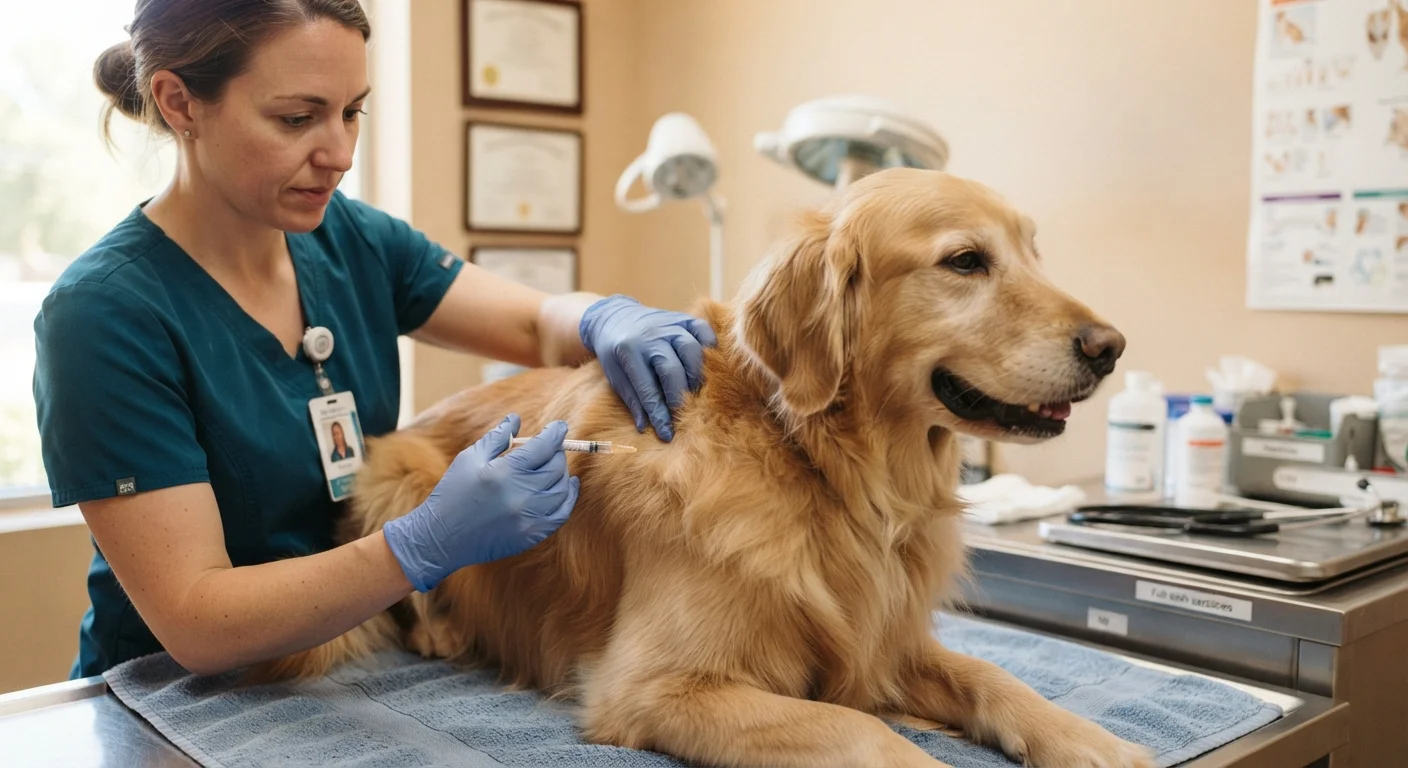
Photo: InsightsVilla.com | Quick Search. Right Info editorial
Key Takeaways
- Vaccines teach your pet's immune system to recognize and fight specific diseases before exposure occurs.
- Core vaccines are recommended for nearly all pets; lifestyle-based vaccines depend on individual risk factors.
- Immunity from vaccines can fade over time, which is why booster schedules exist.
- No vaccine provides 100% protection, but vaccination significantly reduces disease severity and spread.
- Your veterinarian is the right person to design a vaccination schedule tailored to your specific pet.
How Your Pet's Immune System Learns From a Vaccine
Think of the immune system as a library that collects detailed records on every invader it has ever encountered. A vaccine's job is to add a new record - without your pet having to survive the actual disease to create it.
When a vaccine is injected, immune cells called antigen-presenting cells capture the foreign material and carry it to lymph nodes, where specialized white blood cells examine it. B cells produce antibodies - proteins shaped to bind specifically to that pathogen. T cells, meanwhile, coordinate the broader immune response and create long-lived memory cells that persist in the body for months or years.
If your pet later encounters the real pathogen, those memory cells recognize it almost immediately and launch a rapid defense - often fast enough to prevent serious illness altogether. Without vaccination, that recognition process starts from scratch, giving the pathogen time to multiply and cause significant damage.
“Vaccination is the single most important thing we do to prevent infectious disease in companion animals. The immune memory created by a well-timed vaccine can last years and can mean the difference between a pet that recovers quickly and one that doesn't recover at all.”
— Ronald D. Schultz, Professor Emeritus of Immunology, University of Wisconsin School of Veterinary Medicine
Core Vaccines vs. Lifestyle-Based Vaccines
Not every vaccine is appropriate for every animal. Veterinary guidelines divide vaccines into two broad categories:
- Core vaccines are recommended for virtually all dogs or cats regardless of where they live or how much time they spend outdoors. For dogs, core vaccines include rabies, canine distemper, parvovirus, and adenovirus. For cats, they include rabies, feline panleukopenia, herpesvirus, and calicivirus. These diseases are either highly contagious, potentially fatal, or - in the case of rabies - a public health concern.
- Non-core (lifestyle) vaccines are recommended based on individual risk factors such as geographic location, activity level, and contact with other animals. Examples include Lyme disease and leptospirosis vaccines for dogs with outdoor exposure, or the feline leukemia virus vaccine for cats that go outdoors.
Decisions about non-core vaccines are best made with your veterinarian, who can weigh your specific pet's risk profile. This is also a good time to review the broader picture of your pet's preventive care - see our guide to daily care routines that keep pets healthy for context on how vaccination fits alongside other habits.
Ask Your Vet for a Written Vaccine Record
Why Schedules, Boosters, and Timing Matter
Vaccine immunity is not always permanent. Antibody levels can decline over time - a process sometimes called waning immunity. Booster doses are designed to remind the immune system to refresh those memory cell populations before protection drops too low.
Timing is especially important in puppies and kittens. Newborns receive some temporary protection from their mother's antibodies, but this maternal immunity also interferes with vaccines, blocking the immune response they're meant to trigger. Veterinarians use a scheduled series of early vaccinations specifically to catch the window when maternal antibodies fade and the young animal's immune system is ready to build its own defenses.
~99%
Reduction in human rabies cases linked to pet vaccination
The CDC attributes the dramatic decline in domestic animal-transmitted rabies deaths in the United States largely to widespread rabies vaccination programs in dogs and cats over the past several decades.
6-8 weeks
Age at which puppy vaccination series typically begins
According to the American Animal Hospital Association (AAHA), the puppy vaccination series generally starts between 6 and 8 weeks of age, timed to the natural decline of maternal antibodies.
Up to 3 years
Duration of some approved rabies vaccine formulations
Certain rabies vaccines are licensed for three-year protection intervals; local laws determine which interval is legally recognized in a given jurisdiction, and your vet can clarify which applies in your area.
Adult animals on a maintained vaccine schedule generally need less frequent boosters than young animals. Some vaccines, like rabies, may be approved for one- or three-year intervals depending on the formulation and local law. Your vet can explain which intervals apply to each vaccine your pet receives, and can use titer testing - a blood test measuring existing antibody levels - to assess whether certain boosters are currently warranted.
If your pet has missed boosters, don't assume the window has closed entirely. Talk to your veterinarian, who can advise on restarting a schedule safely. You may also want to review veterinary visits that owners often skip to make sure vaccination checks aren't the only routine visit being postponed.
Titer Testing Is Not Always a Substitute
What Vaccines Cannot Do - and Why That Matters
Understanding vaccine limitations helps set realistic expectations. Vaccines are one of the most effective preventive tools in veterinary medicine, but they are not a guarantee of complete immunity. A vaccinated pet may still contract a disease if exposed to a very high dose of the pathogen, if their immune system is suppressed, or if the vaccine strain doesn't perfectly match the circulating strain of a rapidly evolving pathogen.
Vaccines also do not treat existing infections - they work before exposure, not after. And they have no effect on non-infectious conditions such as allergies, cancer, or organ disease.
This is worth keeping in mind when evaluating claims you may encounter online. For a broader look at where pet health misinformation tends to appear, see our article on common pet care myths veterinarians want corrected.
If you have questions about what a specific vaccine does or doesn't protect against, your veterinarian is the most reliable source - they can explain both the evidence base and any local disease patterns that affect their recommendations.
This article is for general informational purposes only and does not constitute veterinary medical advice. Always consult a licensed veterinarian for guidance specific to your pet's health needs.
Frequently Asked Questions
The content on this site is for informational purposes only and is not a substitute for professional advice. Always consult a qualified professional for guidance specific to your situation.