
Common Pet Care Myths That Veterinarians Wish Would Go Away

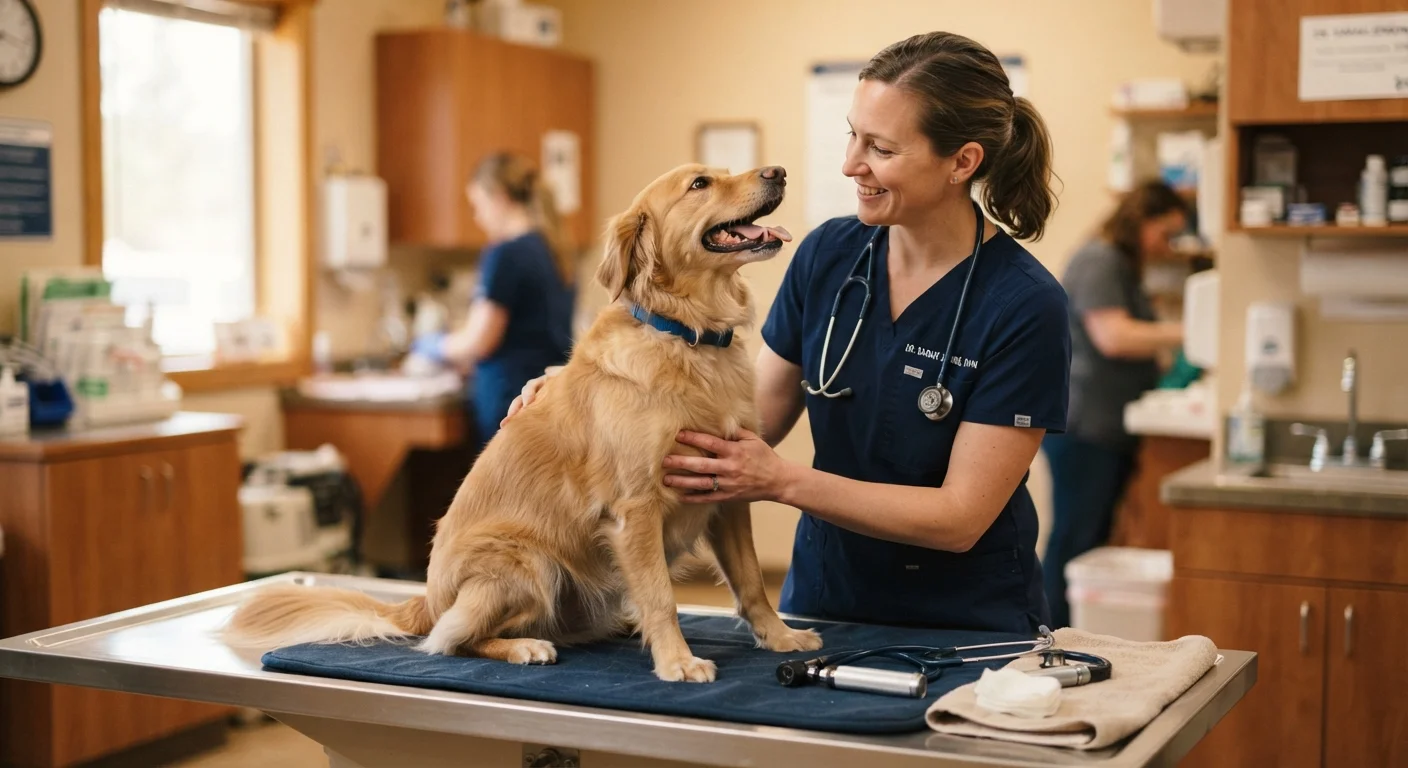
Photo: InsightsVilla.com | Quick Search. Right Info editorial
Key Takeaways
- Dogs can see colors - just not the same range humans perceive.
- A dog's mouth is not cleaner than a human's; both carry distinct bacteria.
- Cats do not always land safely - falls from any height can cause serious injury.
- A warm or dry nose does not reliably indicate whether a dog is sick.
- Purring does not always mean a cat is happy; it can signal stress or pain.
Why Pet Myths Are So Persistent
Pet care myths tend to survive for the same reasons misconceptions thrive in any domain: they're simple, they feel intuitive, and they get repeated often enough to seem authoritative. Some originate from outdated research; others from well-meaning but inaccurate advice passed between pet owners for generations. The problem is that acting on false beliefs can delay veterinary care, lead to unsafe practices, or cause owners to miss genuine warning signs in their animals.
The myths below are among those veterinarians and animal behaviorists encounter most frequently. Each one has a clear, evidence-based correction - and understanding why the myth was wrong in the first place makes it easier to retain the accurate information.
Myth
Dogs only see in black and white.
Fact
Dogs see color, but their color range is limited compared to humans - similar to a person with red-green color blindness.
This myth likely persists because early research on animal vision was misinterpreted and widely repeated. Dogs have two types of color receptors (called cones) in their eyes, compared to the three humans have. This means they can distinguish blues and yellows reasonably well, but have difficulty differentiating red and green. Their color vision is real - just different from ours. Understanding how dogs actually perceive the world can inform how you choose toys, signals, and training cues. For a deeper look at how pets interpret their surroundings, see our Animal Behavior hub.
Myth
A dog's mouth is cleaner than a human's.
Fact
Dogs and humans each carry distinct oral bacteria; neither mouth is inherently cleaner than the other.
The comparison doesn't hold up scientifically. Dogs and humans harbor different communities of bacteria in their mouths, making a direct cleanliness comparison essentially meaningless. Dogs routinely lick surfaces, eat things off the ground, and can carry pathogens like Pasteurella that are harmless to them but potentially concerning for humans - particularly those who are immunocompromised. Oral health matters enormously for pets: periodontal disease is among the most common conditions seen in adult dogs and cats. Learn what owners often miss in our article on dental health in dogs and cats.
Myth
Cats always land on their feet and are fine after a fall.
Fact
Cats have a righting reflex, but falls - even from modest heights - can cause broken bones, internal injuries, or worse.
The righting reflex is real: cats can rotate their bodies mid-air to orient feet-downward. However, landing feet-first does not eliminate injury. Veterinary emergency rooms regularly treat cats injured in falls from balconies, windows, and furniture. Short falls can sometimes cause more injury than longer ones because the cat hasn't had time to fully position itself. Any cat that falls from a height should be examined by a veterinarian, even if it appears to be walking normally afterward.
Myth
A warm or dry nose means a dog is sick.
Fact
Nose temperature and moisture vary throughout the day due to activity, environment, and sleep - they are not reliable health indicators on their own.
This is one of the most common myths veterinarians encounter. A dog's nose can be warm after sleeping, cool after drinking, wet from sniffing, or dry from sitting in the sun. None of these states alone signals illness. True signs of concern include changes in behavior, appetite, energy level, or the presence of discharge from the nose. If you're uncertain about your pet's health, the right call is always a veterinary consultation rather than relying on a quick nose check. See our related guide on vet visits owners often skip.
Myth
Purring always means a cat is happy and content.
Fact
Cats also purr when anxious, in pain, or unwell - purring is a communication tool, not just an expression of happiness.
Purring is a complex vocal behavior that cats use in a variety of emotional and physical states. While a cat purring on your lap during a calm evening is likely comfortable, the same sound can appear during stressful veterinary exams, recovery from illness, or when a cat is frightened. Some researchers suggest cats may use purring to self-soothe, much like a child humming when nervous. Reading purring in context - alongside body posture, ear position, and tail behavior - gives a far more accurate picture of your cat's state. Explore more about how animals communicate in our guide to how pets read human emotions.
Myth
You can't teach an old dog new tricks.
Fact
Adult and senior dogs are fully capable of learning new behaviors; age alone does not prevent skill acquisition.
This idiom has crossed from casual expression into a genuine misconception about dog cognition. While puppies do have developmental windows during which learning happens especially rapidly, adult and senior dogs retain the ability to acquire new commands, adjust habits, and adapt to changed routines. Cognitive decline in very elderly dogs can affect learning speed, but most healthy adult dogs respond well to consistent, positive training methods. For a nuanced look at what is and isn't changeable about pet behavior, visit our article on instinct vs. learned behavior in pets.
What These Myths Have in Common - and What to Do Instead
A thread running through all of these misconceptions is that they encourage passive assumptions rather than active observation. Nose checks replace behavioral monitoring. A purring cat is assumed content without reading body language. A fallen cat that walks away is assumed uninjured. In each case, replacing the myth with accurate knowledge means paying closer, more nuanced attention to your pet.
~80%
Dogs and cats with periodontal disease by age 3
According to the American Veterinary Medical Association, dental disease is among the most prevalent conditions in adult pets - yet many owners are unaware until it's advanced.
2
Color-detecting cone types in a dog's eye
Compared to three in humans, dogs' two cone types produce color vision roughly analogous to human red-green color blindness, per established veterinary ophthalmology research.
When in doubt, the most reliable tool available to any pet owner is a conversation with a licensed veterinarian. Routine check-ups create the kind of ongoing relationship with a vet that makes it easier to catch problems early and ask questions before myths inform decisions. If cost is a concern, our guide to caring for a pet on a tight budget offers realistic approaches to managing expenses without compromising care quality.
Falls and Injuries: Don't Wait and See
This article is for general informational purposes only and does not constitute veterinary advice. Always consult a licensed veterinarian for guidance specific to your pet's health and circumstances.
The content on this site is for informational purposes only and is not a substitute for professional advice. Always consult a qualified professional for guidance specific to your situation.