
Keeping a Senior Pet Comfortable: Health Changes That Come With Age

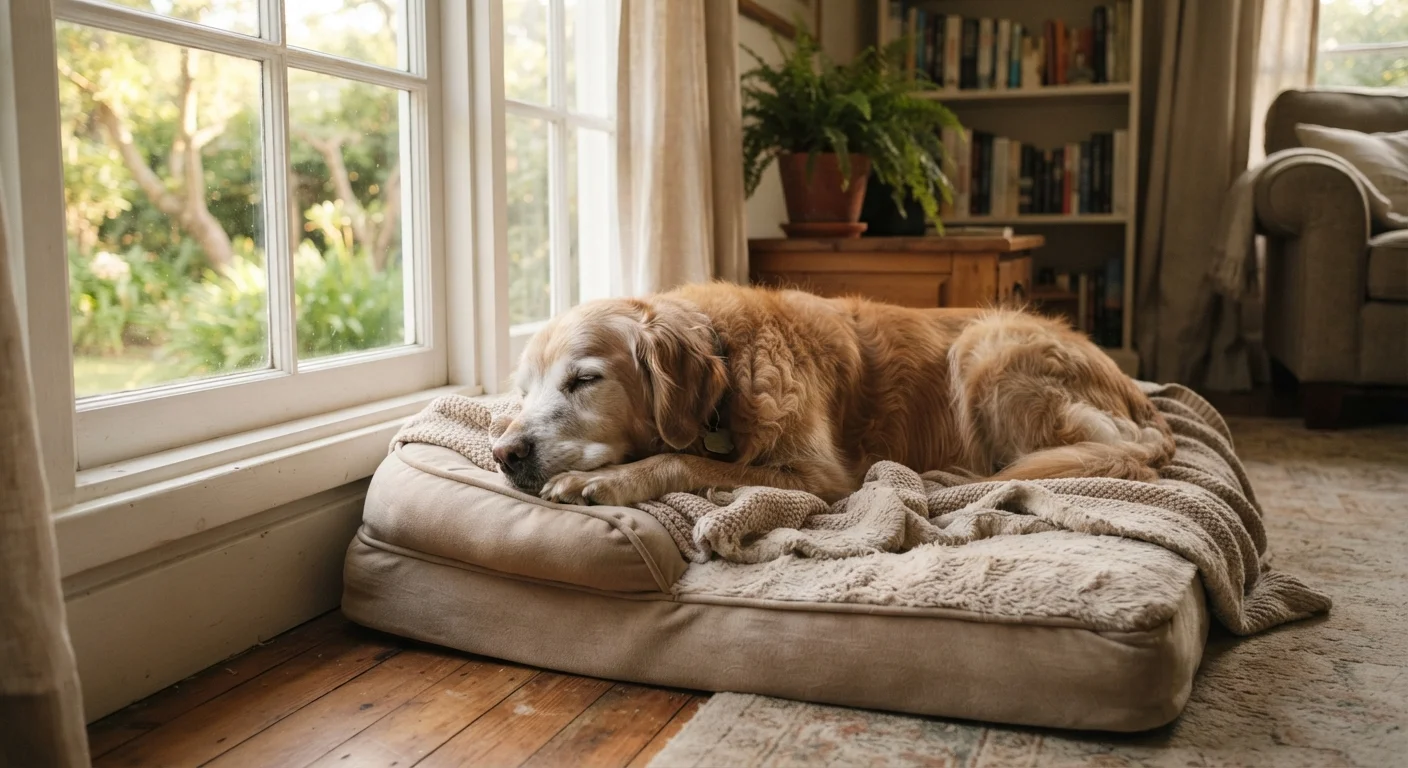
Photo: InsightsVilla.com | Quick Search. Right Info editorial
Key Takeaways
- Dogs and cats are generally considered senior between ages 7-10, depending on species and size.
- Joint stiffness, reduced hearing, and dental disease are among the most common age-related changes.
- Cognitive dysfunction syndrome (CDS) in pets mirrors aspects of dementia and is manageable with veterinary support.
- Senior pets typically benefit from calorie-adjusted diets and lower-impact exercise routines.
- Twice-yearly veterinary checkups are recommended for most senior pets to catch problems early.
- Small environmental changes at home can significantly reduce pain and confusion for aging animals.
When Is a Pet Considered 'Senior'?
Age thresholds for senior pets aren't one-size-fits-all. Most veterinarians classify cats and small-to-medium dogs as senior around age 7. Large and giant dog breeds age faster - a Great Dane may be considered senior by age 5 or 6. Meanwhile, cats often remain quite healthy into their early teens before showing significant age-related decline.
Understanding where your pet falls on the aging spectrum helps you know when to start adjusting care routines. See our guide on daily care routines that keep pets healthy long-term for a foundation that benefits pets at every life stage.
~7 years
Age most dogs and cats are classified as senior
According to general veterinary guidelines, though large-breed dogs may reach senior status earlier.
28%
Dogs over 11 showing cognitive dysfunction signs
Research published in veterinary literature estimates roughly 28% of dogs aged 11-12 show at least one sign of CDS.
80%
Pets over 3 with some degree of dental disease
The American Veterinary Dental College notes dental disease is one of the most common conditions seen in adult and senior pets.
Physical Changes to Expect
Aging brings gradual, predictable physical changes in most dogs and cats. Recognizing these early gives you the best opportunity to respond before discomfort becomes significant.
- Joint stiffness and arthritis: One of the most common senior pet conditions. You may notice reluctance to climb stairs, slower movements, or difficulty rising after rest.
- Dental disease: Accumulation of tartar and gum inflammation is nearly universal in older pets and can affect overall health if untreated.
- Reduced senses: Gradual hearing loss and diminished vision are normal. Cloudy eyes (nuclear sclerosis) are distinct from cataracts and typically don't significantly impair vision.
- Changes in coat and skin: Fur may thin, become coarser, or gray around the muzzle. Skin can become drier and more prone to lumps - most of which are benign, though all new growths warrant a veterinary check.
- Organ function changes: Kidney, liver, and thyroid function commonly shift with age, often detectable only through routine bloodwork.
Sudden Changes Always Warrant Veterinary Attention
If your pet develops sudden changes - rapid weight loss, labored breathing, extreme lethargy, or loss of coordination - contact your veterinarian promptly. Our article on signs your pet may be sick and when to call the vet can help you assess urgency.
Cognitive and Behavioral Shifts
Cognitive Dysfunction Syndrome (CDS) is a well-documented neurological condition in aging dogs and cats that resembles aspects of dementia in humans. It's more common than many owners realize - studies suggest it affects a meaningful proportion of dogs over age 11.
Common signs include:
- Disorientation or getting stuck in corners
- Disrupted sleep-wake cycles, especially nighttime restlessness
- Changes in social interaction - increased clinginess or unusual withdrawal
- House-soiling in previously reliable pets
- Reduced interest in play or exploration
CDS is not curable, but veterinary management - including environmental enrichment, mental stimulation, and in some cases medication - can slow progression and improve quality of life. Never attempt to treat CDS without veterinary guidance.
Keep a simple weekly log of your senior pet's water intake, sleep patterns, and activity level. Changes that seem minor in the moment often form meaningful patterns when reviewed over weeks.
Introduce environmental enrichment gradually for cognitively declining pets - food puzzles, familiar scents, and short sniff walks can provide stimulation without overwhelming them.
Nutrition and Weight Management
Senior pets have different caloric and nutritional needs than younger animals. Many older dogs and cats become less active and can gain weight easily, which places extra stress on aging joints and organs. Others lose muscle mass and may actually need calorie-dense, protein-rich foods to maintain healthy body condition.
Key nutritional considerations include:
- Protein: Contrary to older thinking, most healthy senior pets benefit from adequate, high-quality protein to preserve muscle. Pets with specific kidney disease may require modified protein intake - always follow your vet's guidance.
- Hydration: Senior cats in particular are prone to kidney issues and often need encouragement to drink more water. Wet food can help.
- Joint-support nutrients: Omega-3 fatty acids and glucosamine are commonly included in senior pet foods and may support joint comfort, though evidence varies.
Just as human nutritional needs shift across decades - as explored in nutrition changes across life stages - so do your pet's. Consult your veterinarian before switching to a senior-formulated food, as not all pets need the same adjustments.
Ask Your Vet Before Changing Senior Pet Food
Exercise, Mobility, and Home Adjustments
Exercise remains important for senior pets - it supports healthy weight, joint mobility, and mental wellbeing - but the type and intensity should adapt to your pet's current condition. Short, frequent walks often suit older dogs better than a single long outing. For cats, low-intensity play that doesn't require jumping works well.
The parallel to human aging is instructive: just as staying active in your 50s, 60s, and beyond requires adjusted expectations and methods, so does keeping an aging pet moving safely.
Simple home modifications can dramatically improve comfort and safety:
- Orthopedic or memory foam beds to cushion achy joints
- Non-slip rugs or mats on hardwood or tile floors
- Ramps or low steps to reach furniture or vehicles without jumping
- Raised food and water bowls to reduce neck strain
- Keeping litter boxes easily accessible with low entry points for senior cats
If your senior pet spends time outdoors, indoor vs. outdoor pet care differences are worth reviewing, as older animals are more vulnerable to temperature extremes and hazards.
Preventive Veterinary Care for Older Pets
The American Veterinary Medical Association (AVMA) and most veterinary organizations recommend that senior pets receive checkups every six months rather than once a year. This frequency allows veterinarians to detect age-related conditions - such as kidney disease, hyperthyroidism in cats, or early diabetes - while they are still manageable.
A typical senior wellness visit may include:
- Physical examination with particular attention to joints, teeth, eyes, and lymph nodes
- Blood panel and urinalysis to assess organ function
- Blood pressure measurement, especially in cats prone to hypertension
- Weight tracking over time
- Discussion of any behavioral or appetite changes you've noticed at home
Keeping detailed notes between appointments - changes in water intake, sleep patterns, mobility, or appetite - gives your veterinarian the clearest possible picture. If cost is a concern, our guide on caring for a pet on a tight budget covers practical strategies for managing veterinary expenses without compromising care.
“The goal of senior pet care isn't just adding years to their life - it's adding life to their years. Small, consistent adjustments to routine, environment, and monitoring make an outsized difference in how comfortable an older animal feels day to day.”
— Pets & Animals Editorial Team, Veterinary-informed pet care editorial team
This article is for general informational purposes only and is not a substitute for professional veterinary advice. Always consult a licensed veterinarian for guidance specific to your pet's health.
The content on this site is for informational purposes only and is not a substitute for professional advice. Always consult a qualified professional for guidance specific to your situation.