
Annual Wellness Visits: What Happens During a Routine Vet Exam

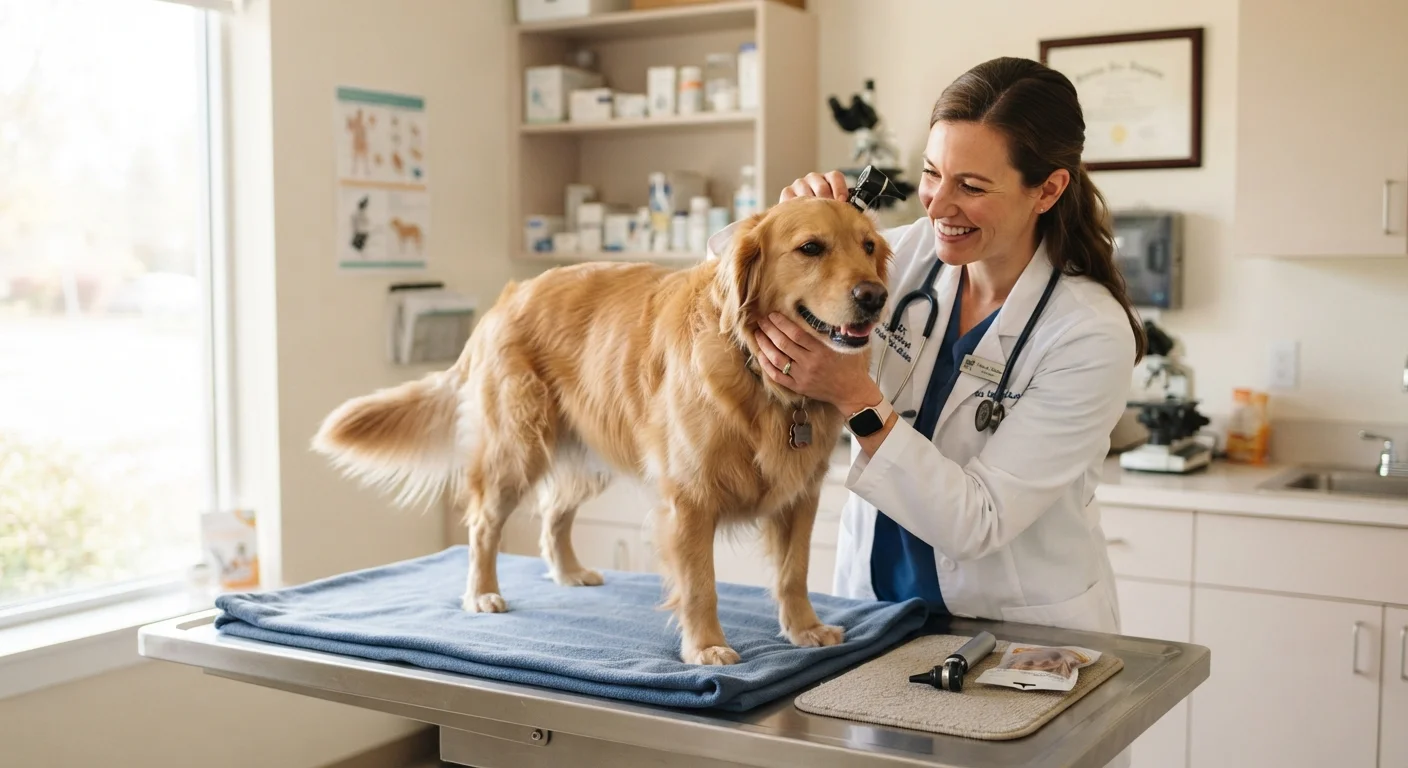
Photo: InsightsVilla.com | Quick Search. Right Info editorial
Why Annual Wellness Exams Matter
A healthy-looking pet isn't necessarily a problem-free pet. Many common conditions - dental disease, early kidney changes, parasites, and weight gain - develop gradually and quietly before any obvious symptoms appear. Annual wellness visits give a veterinarian a structured opportunity to detect these issues early, when treatment options tend to be broader and less costly.
Vets also use these appointments to track your pet's health over time. A single snapshot is less informative than a series of exams that show trends in weight, organ function, or coat condition. For puppies, kittens, and senior animals, the recommended frequency often increases to twice a year. See our guide to senior pet health for more on age-related monitoring needs.
| Recommended frequency (adult pets) | Once per year (American Veterinary Medical Association general guidance) |
| Recommended frequency (senior pets) | Twice per year (Commonly advised for dogs and cats aged 7+) |
| Pets with dental disease by age 3 | ~80% of dogs, ~70% of cats (American Veterinary Dental College estimates) |
| Exam components covered | 10+ body systems evaluated (Standard nose-to-tail physical examination) |
| Heartworm testing interval (dogs) | Annually (American Heartworm Society recommendation) |
What the Vet Checks: A Nose-to-Tail Breakdown
A standard wellness exam follows a systematic physical assessment. Here's what most veterinarians evaluate:
- Weight and body condition: Your vet will weigh your pet and assess body condition score - a standardized scale that evaluates fat coverage and muscle mass beyond the number on the scale.
- Eyes, ears, and nose: Checked for discharge, redness, cloudiness, or signs of infection and inflammation.
- Mouth and teeth: Dental disease affects the majority of adult pets. The vet looks for tartar buildup, gum inflammation, broken teeth, and oral masses. See routine visits owners often skip for context on why dental exams are frequently postponed.
- Lymph nodes: Palpated for swelling, which can signal infection or immune activity.
- Heart and lungs: Auscultated with a stethoscope to detect murmurs, arrhythmias, or abnormal breathing sounds.
- Abdomen: Gently palpated to assess organ size and detect discomfort, masses, or fluid accumulation.
- Skin and coat: Examined for parasites, hair loss, lumps, rashes, or changes in texture.
- Musculoskeletal system: The vet observes gait and joint mobility, particularly for signs of arthritis in older animals.
Body Condition Score (BCS)
A standardized 5- or 9-point scale veterinarians use to assess a pet's fat coverage and muscle mass. It provides a more complete picture of health than weight alone.
Auscultation
The process of listening to internal sounds - typically heart and lung sounds - using a stethoscope. It helps detect murmurs, arrhythmias, or abnormal breath sounds.
Core Vaccines
Vaccinations recommended for all pets of a given species regardless of lifestyle, because the diseases they prevent are widespread, serious, or transmissible to humans. Examples include rabies and distemper.
Complete Blood Count (CBC)
A blood test that measures red blood cells, white blood cells, and platelets. Vets use it to screen for infection, anemia, immune disorders, and other systemic conditions.
Fecal Flotation Test
A diagnostic test performed on a stool sample to detect intestinal parasite eggs. It identifies common parasites such as roundworms, hookworms, and giardia.
Vaccinations, Screenings, and Preventive Care
Beyond the physical exam, wellness visits typically include a review of your pet's preventive care plan. This may involve:
- Vaccinations: Core vaccines (such as rabies and distemper combinations) follow established schedules; your vet determines which non-core vaccines are appropriate based on your pet's lifestyle and risk factors.
- Parasite screening: Fecal tests check for intestinal parasites. Heartworm testing is recommended annually for dogs in most regions. Your vet will also review flea, tick, and heartworm prevention status.
- Bloodwork: Not always included in a basic exam, but often recommended for senior pets or those with known health concerns. A complete blood count (CBC) and chemistry panel can reveal organ function changes before clinical signs appear.
- Microchip check: Scanners verify that existing microchips are still readable and properly registered.
Your vet will also ask about your pet's diet, activity level, behavior changes, and any concerns you've noticed at home. This conversation matters - bring notes if needed. Pair this information with the daily care habits that support long-term wellness between visits.
Bloodwork Isn't Always Automatic
Making the Most of Each Visit
Come prepared with a brief list of observations: changes in appetite, water intake, sleep, elimination habits, or behavior. If your pet has had any vomiting, limping, or unusual lumps, note when those started. Your vet can only act on what they observe and what you share.
If your pet is new to your household, the first wellness visit establishes a baseline. Our new pet wellness checklist outlines what to prioritize in the first month. And if you notice anything concerning between scheduled exams, consult our guide to recognizing illness signs - annual visits are foundational, but they aren't a substitute for timely care when something seems off.
This article provides general educational information about veterinary wellness exams and is not a substitute for professional veterinary advice. Always consult a licensed veterinarian for guidance specific to your pet's health needs.
The content on this site is for informational purposes only and is not a substitute for professional advice. Always consult a qualified professional for guidance specific to your situation.