
Grooming at Home Without Stressing Your Pet Out

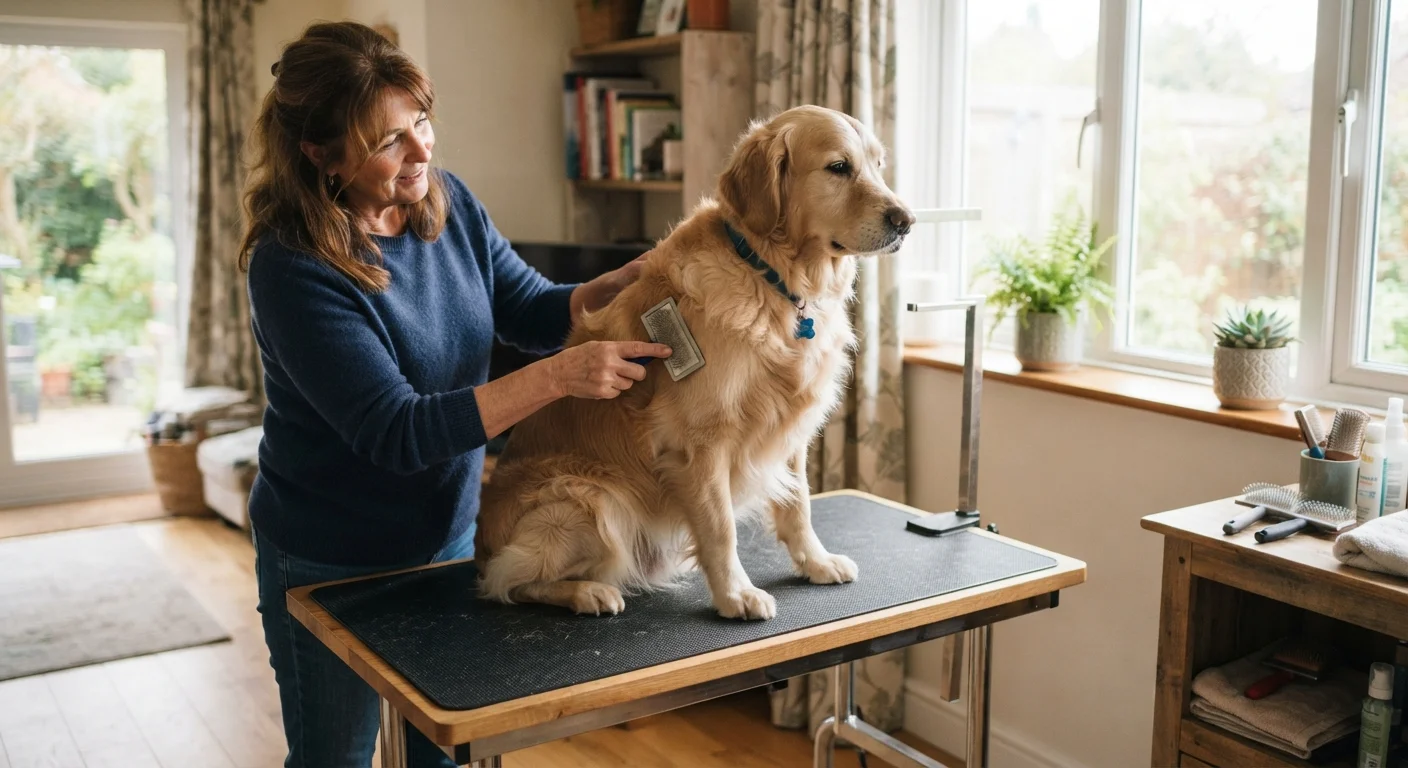
Photo: InsightsVilla.com | Quick Search. Right Info editorial
Key Takeaways
- Short, positive sessions build grooming tolerance gradually - never rush the process.
- Desensitization before using tools prevents fear responses that become hard to reverse.
- Nail trims, brushing, and ear cleaning each require different techniques and timing.
- Treats and calm body language are your most powerful tools for keeping pets cooperative.
- Stop sessions early if your pet shows stress signals - forcing through worsens future sessions.
- Some pets benefit from professional grooming; knowing when to refer out protects your animal.
Why Home Grooming Matters - and Why Pets Resist It
Regular grooming isn't just cosmetic. Brushing removes dead hair and distributes skin oils, nail trims prevent painful overgrowth, and ear cleaning reduces infection risk. Together these habits form a core part of the daily care routines that keep pets healthy long-term.
Pets resist grooming for understandable reasons: unfamiliar tools feel threatening, restraint triggers a fight-or-flight response, and past uncomfortable experiences create lasting associations. Understanding this helps you approach each session as a trust-building exercise rather than a task to complete. The animal behavior behind grooming resistance is almost always rooted in anxiety, not defiance - and anxiety responds to patient, incremental exposure.
Short Sessions Beat Long Ones Every Time
If you've just welcomed a new animal, grooming introduction works best after the pet has settled into its environment. See our guide on bringing a pet home for the first time for advice on that adjustment period.
What You'll Need Before You Start
Gather your supplies before your pet is in position - fumbling for tools mid-session creates unnecessary stress. The specific items depend on your pet's species and coat type, but the core kit for dogs and cats covers most situations.
Slicker brush or undercoat rake
Removes loose fur, debris, and early-stage tangles from the coat during brushing sessions.
Guillotine or scissor-style nail clippers
Designed to trim pet nails cleanly without crushing the nail, reducing discomfort.
Styptic powder
Stops minor bleeding quickly if a nail is accidentally trimmed too short.
Cotton balls
Used to apply ear cleaning solution and gently wipe the outer ear canal.
Detangling spray
Softens mats and knots to make brushing less painful for pets with longer coats.
Non-slip mat
Gives your pet stable footing on smooth surfaces, reducing anxiety during grooming.
What you will need
Step-by-Step: Building a Calm Grooming Routine
Follow these steps in order, especially when working with a pet that has little grooming history. Skipping desensitization and jumping straight to tools is the most common mistake new owners make.
Start with touch desensitization - no tools yet
Before introducing any grooming tool, spend several short sessions (two to three minutes each) simply handling your pet's paws, ears, and face with your hands. Pair each touch with a high-value treat delivered immediately after. The goal is to build a reliable association: handling equals something good.
Introduce tools gradually before using them
Let your pet sniff and investigate the brush, nail clippers, or cotton balls before you use them. Place the tool near the pet while feeding treats, then touch the tool to the pet's body without performing the task. Repeat until your pet shows no visible reaction to the tool's presence.
Brush in short, gentle passes with the coat's direction
Begin brushing at the neck and shoulders - areas most pets tolerate well - before moving to more sensitive zones like the belly, legs, and tail. Use slow, smooth strokes in the direction of hair growth. For matted coats, work with a detangling spray and start at the tips of the mat, not the base, to avoid painful pulling.
Trim nails one at a time using proper technique
Hold the paw gently but firmly. Clip only the translucent tip of the nail - avoid the pink quick (the blood vessel visible in light-colored nails). For dark nails, trim tiny slivers at a time until you see a dark center dot appear in the cross-section, which signals you're approaching the quick. Reward immediately after each nail, and stop after a few nails if your pet becomes tense.
Clean ears gently and only the outer canal
Apply a veterinarian-approved ear cleaning solution to a cotton ball - never insert anything into the ear canal. Wipe the visible inner surface of the ear flap and the outer portion of the ear canal opening. Check for redness, odor, or dark discharge, which warrant a veterinary visit rather than home cleaning.
End every session positively, regardless of how far you got
Close each grooming session with play, praise, or a treat your pet enjoys. This ending moment anchors what your pet remembers about the experience. Over time, consistent positive endings create an animal that approaches grooming with curiosity rather than dread.
Don't Power Through Visible Distress
Reading Stress Signals and Knowing When to Stop
Even well-socialized pets have a tolerance threshold. Watch for: flattened ears, tucked tail, whale eye (whites visible at the edges), lip licking, yawning, low growling, or attempting to move away repeatedly. Any of these signals means the session should end - calmly, without scolding.
Forcing through stress signs doesn't teach tolerance; it teaches your pet that grooming is something to escape from. End on a neutral or positive note whenever possible, even if that means simply offering a treat after touching the brush near your pet without using it.
Some grooming resistance is tied to underlying health or wellness factors - pain from arthritis, for example, can make handling certain areas genuinely uncomfortable. If your pet's resistance is sudden or severe, a veterinary check is warranted before continuing grooming attempts at home.
This article is for general informational purposes only and does not constitute veterinary advice. Always consult a licensed veterinarian for concerns specific to your pet's health or behavior.
The content on this site is for informational purposes only and is not a substitute for professional advice. Always consult a qualified professional for guidance specific to your situation.