
Wet Food vs. Dry Food: Understanding the Real Trade-Offs

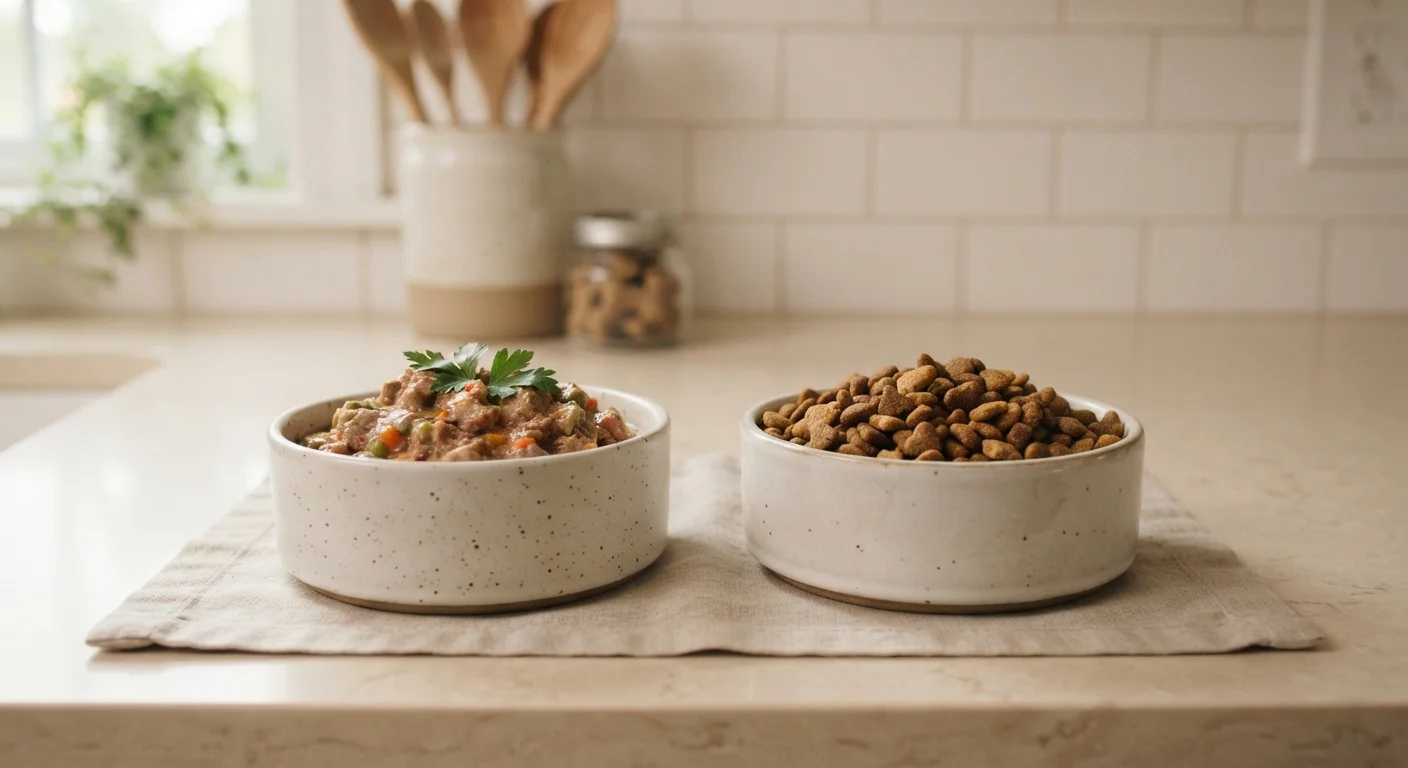
Photo: InsightsVilla.com | Quick Search. Right Info editorial
Key Takeaways
- Wet food contains roughly 70-80% moisture, making it valuable for pets that don't drink enough water.
- Dry kibble is more calorie-dense per ounce and generally costs less per serving than canned food.
- Neither format is universally superior - the right choice depends on your pet's health, age, and preferences.
- Dental health claims for dry food are modest; veterinary dental chews or brushing remain more effective.
- Many vets recommend a mixed feeding approach to balance hydration, palatability, and cost.
Nutrition and Ingredient Quality
Both wet and dry pet foods can be nutritionally complete, provided they carry an AAFCO (Association of American Feed Control Officials) nutritional adequacy statement. That label language tells you whether a food is formulated to meet minimum nutrient profiles or has been tested through feeding trials - a distinction worth understanding before you buy. For a deeper look at how to read those labels, see what pet food labels are actually telling you.
Wet foods typically use higher proportions of animal protein and fewer carbohydrates than kibble. Dry food requires starch to hold its shape during manufacturing, so it naturally tends to be higher in carbohydrates - though this varies widely by brand and formula. Neither fact makes one format inherently healthier; the overall nutrient profile and ingredient quality matter far more than the format alone.
If you're weighing other dietary variables alongside format, the science on grain-free vs. grain-inclusive diets is worth reviewing before making a switch.
| Criterion | Wet Food (Canned) | Dry Food (Kibble) |
|---|---|---|
| Moisture content | 70-80% | 10-12% |
| Typical protein source | Higher animal protein ratio | Variable; starch required for binding |
| Calorie density per ounce | Lower (more water weight) | Higher (more concentrated) |
| Cost per serving | Generally higher | Generally lower |
| Shelf life after opening | 24-48 hrs (refrigerated) | Weeks to months (sealed bag) |
| Palatability | Higher aroma; preferred by many picky eaters | Moderate; varies by formula |
| Dental benefit | Minimal | Minimal (modest at best) |
| Best suited for | Cats, seniors, urinary health needs | Multi-pet homes, budget-conscious owners |
Hydration, Dental Health, and Practical Realities
One of the clearest differences between the two formats is moisture content. Wet food is roughly 70-80% water; dry kibble typically contains only 10-12%. For cats especially - whose ancestors evolved in arid environments and naturally have a low thirst drive - getting adequate hydration through food can meaningfully support kidney and urinary health. Dogs also benefit from additional moisture, particularly those prone to certain urinary conditions.
70-80%
Moisture content in wet pet food
Compared to roughly 10-12% in dry kibble, according to general pet nutrition guidelines from veterinary nutrition sources.
~50%
Cats affected by chronic kidney disease by age 15
The Cornell Feline Health Center notes CKD is among the most common conditions in older cats, making hydration through diet a meaningful management factor.
The idea that dry food cleans teeth is widespread but should be kept in perspective. Most kibble provides minimal mechanical cleaning, and veterinary dental organizations note that dedicated dental chews, enzymatic toothpaste, and regular tooth brushing are more reliably effective. If dental health is a concern, discuss your options with your veterinarian rather than relying on food format alone.
On the practical side, dry food wins on convenience: it can sit in a bowl safely for hours, stores without refrigeration, and costs less per serving. Opened wet food, by contrast, must be refrigerated and used within 24-48 hours. For multi-pet households or busy schedules, these differences are real factors. Your pet's living situation - including whether they're indoors or outdoors - can also shape which format works best day-to-day; how indoor vs. outdoor life changes pet care needs explores that connection further.
This article provides general educational information about pet nutrition and is not a substitute for personalized advice from a licensed veterinarian. Always consult your vet before making significant changes to your pet's diet, especially if your pet has an existing health condition.
The content on this site is for informational purposes only and is not a substitute for professional advice. Always consult a qualified professional for guidance specific to your situation.