
Introducing a New Pet Into a Household with Existing Animals

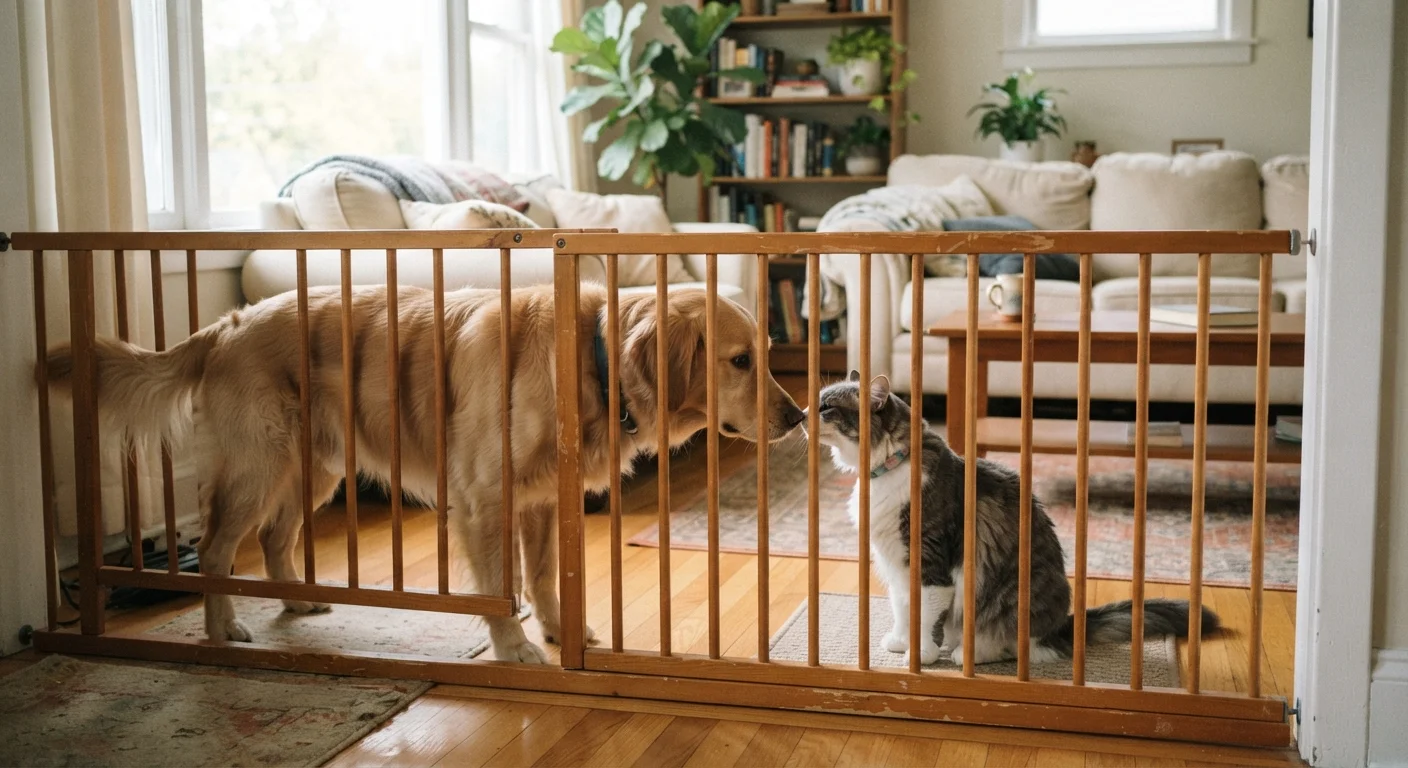
Photo: InsightsVilla.com | Quick Search. Right Info editorial
Key Takeaways
- Resident animals need time to adjust to new scents before any face-to-face meeting.
- Rushing direct contact is the leading cause of lasting aggression between household pets.
- Separate spaces, scent swapping, and barrier introductions are the behavioral foundation of a safe process.
- Stress signals such as hissing, lunging, or hiding are communication - slow down when you see them.
- Most successful introductions take days to weeks, not hours.
- Consult a veterinary behaviorist if aggression escalates or stress does not resolve.
Why Animal Instincts Make Introductions Complicated
When a new animal enters a home, resident pets experience a genuine disruption to their perceived territory. For dogs, this can trigger guarding or appeasement behaviors rooted in pack-based social instincts. For cats - who are fundamentally solitary, territorial animals - an unannounced intruder can feel threatening at a neurological level, not merely annoying.
Because animals gather most of their social information through scent rather than sight, a strange-smelling creature appearing suddenly can trigger a stress response before any visual or physical interaction even occurs. This is why the structured, multi-stage introduction process recommended by veterinary behaviorists focuses on scent familiarization first. For a broader look at what the adjustment period typically involves, see our guide on what to expect when introducing a second animal.
What you will need
What You Need Before You Begin
Preparation matters as much as the introduction itself. Before the new pet arrives, have the following in place:
Baby gate or exercise pen
Creates a visual and physical barrier so animals can see and smell each other without direct contact during early stages.
Separate bedding and towels
Used for scent swapping - placing each animal's bedding in the other's space to build scent familiarity safely.
Puzzle feeders or high-value treats
Helps create positive associations during controlled introductions by pairing the other animal's presence with something rewarding.
Feliway or Adaptil diffuser (species-appropriate calming pheromone product)
Synthetic pheromone products may help reduce baseline stress during the adjustment period for some animals.
If you haven't yet assembled the essentials for your new arrival, the new pet checklist covers housing, food, and safety gear to have ready on day one.
Step-by-Step: The Introduction Process
Follow these steps in order. Moving to the next stage before your pets are ready is the most common mistake owners make - patience here pays long-term dividends.
Set up a completely separate space for the new pet
Before the new animal comes home, designate a room that resident pets cannot access. The new pet should have food, water, litter or a relief area, bedding, and enrichment entirely within this space. This serves two purposes: it gives the newcomer a low-stress environment to decompress, and it prevents the resident animal from encountering a stranger without warning.
Keep this arrangement in place for at least 48-72 hours, or longer if either animal is showing high stress. See our guide on bringing a pet home for the first time for first-night routines that support a calm arrival.
Begin scent swapping
After 24-48 hours, exchange bedding or a soft toy between the new pet's space and the resident animal's area. Allow each animal to investigate the other's scent at their own pace - do not force interaction with the object. Watch for curiosity (a good sign) versus avoidance or aggression (a sign to slow down). Repeat this exchange over several days before moving forward.
Introduce visual contact through a barrier
Once both animals appear relaxed with each other's scent, crack the door open a few inches or use a baby gate so they can see each other without physical contact. Keep sessions short - two to five minutes - and end on a calm note. Increase duration gradually only if both animals remain relaxed throughout.
Allow supervised, controlled meetings in shared space
Only after consistent relaxed behavior through the barrier should you allow the animals into the same space together. Keep the first sessions brief (five to ten minutes), ensure each animal has an easy escape route, and keep high-value resources like food bowls and toys out of the space to remove potential trigger points. Have another adult present if possible so you can monitor both animals simultaneously.
Gradually extend shared time as trust builds
Progress from brief supervised meetings to longer periods of shared space, always watching for stress signals. Never leave animals unsupervised together until you have seen sustained evidence of tolerance or positive interaction over multiple sessions. For some species pairings - particularly cats - this full adjustment can take several weeks to months. There is no universal timeline; follow the animals' signals, not a calendar.
Keep Resources Separate and Plentiful
Once the introduction phase is complete, continue monitoring health and wellbeing through the first month. Our first-30-days wellness checklist covers vet visits, stress monitoring, and diet transitions to keep both pets on track.
Reading Animal Communication During Introductions
Understanding what your pets are telling you prevents misreads that set progress back. Stress signals vary by species but share a common theme: the animal is communicating discomfort and needs more distance or time.
- Dogs: yawning, lip licking, whale eye (showing whites of eyes), stiff posture, raised hackles, or low growling are early warning signs. Growling is communication - suppressing it through punishment removes your early warning system.
- Cats: flattened ears, a puffed tail, hissing, or retreating to high ground all signal that the pace is too fast. A cat that simply hides is not necessarily fearful - give them the choice to engage on their own terms.
Aggression Between Pets Is Not Trivial
On the other hand, relaxed body language - loose posture, normal tail carriage, curiosity without fixation - signals readiness to advance. For general context on how the home environment shapes animal behavior, indoor vs. outdoor pet care differences offers useful background.
This article provides general educational information about animal behavior and is not a substitute for guidance from a licensed veterinary professional or veterinary behaviorist. If your pets show persistent aggression or extreme stress, consult your veterinarian promptly.
The content on this site is for informational purposes only and is not a substitute for professional advice. Always consult a qualified professional for guidance specific to your situation.