
Multi-Pet Households: What to Expect When Introducing a Second Animal

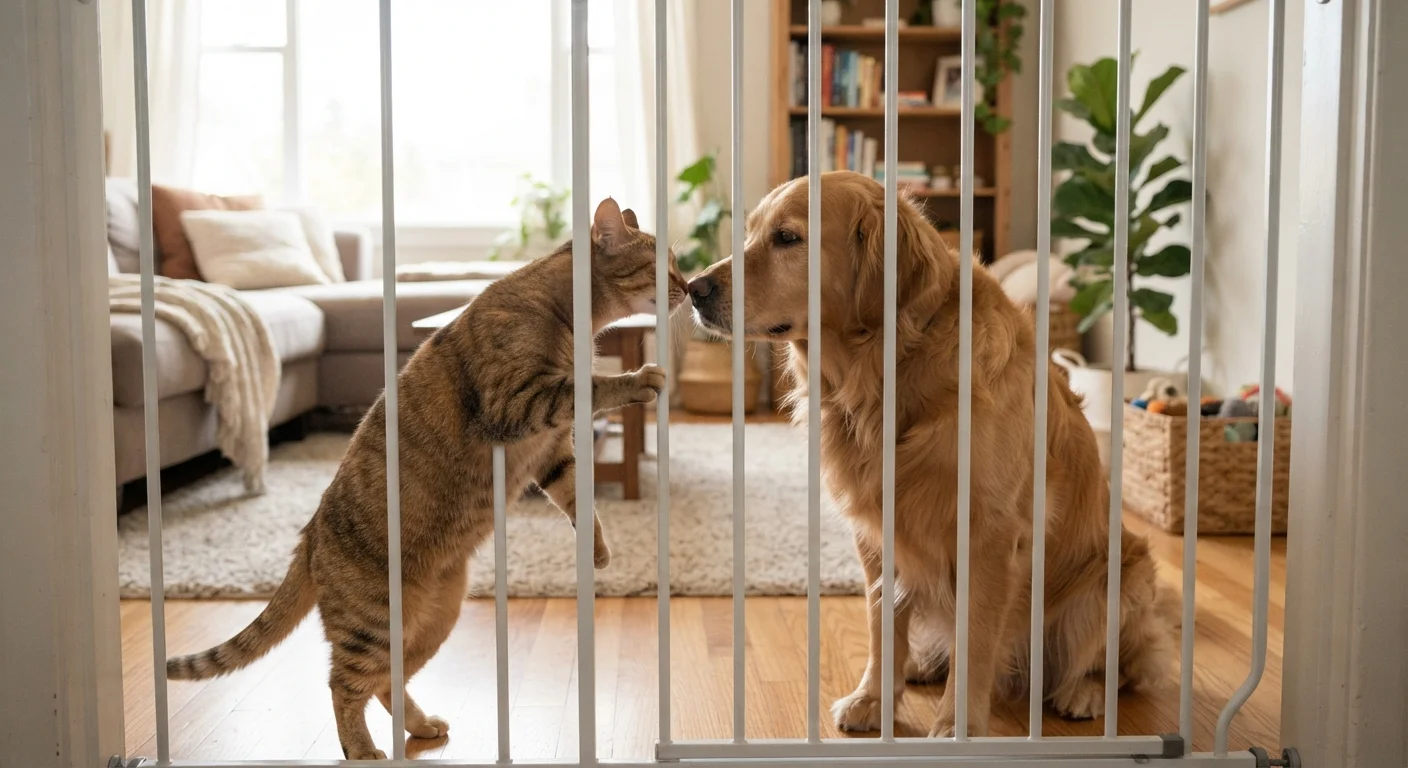
Photo: InsightsVilla.com | Quick Search. Right Info editorial
Key Takeaways
- Rushed introductions are the most common cause of lasting conflict between household pets.
- Scent swapping before face-to-face meetings significantly reduces stress for both animals.
- Separate feeding stations and resting areas prevent resource-based tension long-term.
- Stress signals like flattened ears, hiding, and food refusal mean the pace is too fast.
- Most pets need two to four weeks to adjust; some species combinations take longer.
Why the Introduction Process Matters
Bringing a second animal into a home isn't simply a matter of opening the door and letting pets work it out. Animals are territorial by nature, and a resident pet has already established the home as its own. An abrupt introduction can trigger defensive aggression, chronic stress, or lasting avoidance behavior that makes cohabitation genuinely difficult - even between species considered generally compatible.
Understanding animal behavior basics helps here: pets rely on scent, body language, and spatial control to feel safe. Any introduction strategy that respects those channels gives both animals a far better start. For a deeper behavioral framework, our companion guide on introducing a new pet into a household with existing animals covers the science behind these steps.
What you will need
Recognizing Stress Signals in Both Pets
Before and throughout the introduction, watch both animals closely. Stress doesn't always look dramatic. Common signals include:
- Cats: hiding more than usual, flattened ears, hissing, reduced appetite, over-grooming, or litter-box avoidance.
- Dogs: excessive panting, yawning, lip-licking, refusing food, pacing, or low growling at the new pet's scent.
- Small animals (rabbits, guinea pigs): thumping, freezing in place, or refusing to come out of their enclosure.
If you notice these signs, the introduction is moving too quickly. Slow down - return to the previous stage rather than pushing forward. Monitoring pet health and wellness during transitions is important; prolonged stress can suppress immune function and trigger secondary health issues.
Don't Skip Stages Under Time Pressure
Step-by-Step: How to Introduce a Second Pet
Follow these steps in order. Skipping stages is the most common mistake new multi-pet owners make.
Set up a separate space for the new pet
Before the new animal arrives, prepare a dedicated room or sectioned-off area where it will live for the first several days. Include food, water, a litter box or bedding, and enrichment appropriate to the species. This space should not overlap with the resident pet's core territory initially.
Exchange scents before any visual contact
Swap a blanket or soft toy between the two pets' areas. Let each animal investigate the other's scent at its own pace - sniffing, retreating, and returning is normal. Repeat this exchange over two to four days before moving forward. Feeding each pet near the scent item helps build a positive association.
Introduce sight without direct contact
Use a baby gate, cracked door, or barrier that allows the animals to see each other without physical access. Keep sessions short - five to ten minutes - and reward calm behavior with treats or praise. Repeat this stage over two to three days, gradually increasing exposure time only if both animals appear relaxed.
Allow a supervised, brief face-to-face meeting
In a neutral space neither pet considers its core territory, allow a short, leashed (for dogs) or open meeting. Keep the first session under five minutes. Watch body language closely - loose posture, sniffing, and relaxed movement are positive signs. Stiff posture, direct staring, or raised hackles are signals to separate calmly and try again the next day.
Gradually increase shared time and space
Over the following one to two weeks, extend the duration of shared time and expand which areas of the home both pets can access together - always supervised at first. Continue providing separate feeding stations and sleeping areas. Only remove barriers or supervision when both animals consistently show relaxed behavior around each other.
Patience Is the Most Effective Tool
Setting Up a Multi-Pet Home for Long-Term Success
Once initial introductions go smoothly, the environment itself needs to support peaceful coexistence. Key considerations include:
- Separate resources: Each pet should have its own food bowl, water source, and resting area. Sharing forces competition and creates chronic low-level tension.
- Vertical space for cats: Cats that can get up high feel safer and less cornered around dogs or other animals.
- Predictable routines: Feeding, play, and attention on a consistent schedule reduces anxiety across the household.
- Individual attention: Resident pets especially benefit from one-on-one time with their owner during the adjustment period to prevent jealousy-driven behavior.
For a month-by-month view of what to monitor after any new pet arrives, our first-30-days wellness checklist is a practical companion resource. And if your household is also navigating new human living arrangements, the same principles of clear boundaries and gradual adjustment apply - see our guide on readiness for cohabitation for related perspective.
This article is for general informational purposes only. If either pet shows signs of injury, significant health decline, or escalating aggression during introductions, consult a licensed veterinarian or certified animal behaviorist.
The content on this site is for informational purposes only and is not a substitute for professional advice. Always consult a qualified professional for guidance specific to your situation.