
Your New Pet Checklist: Supplies, Space, and First-Week Priorities

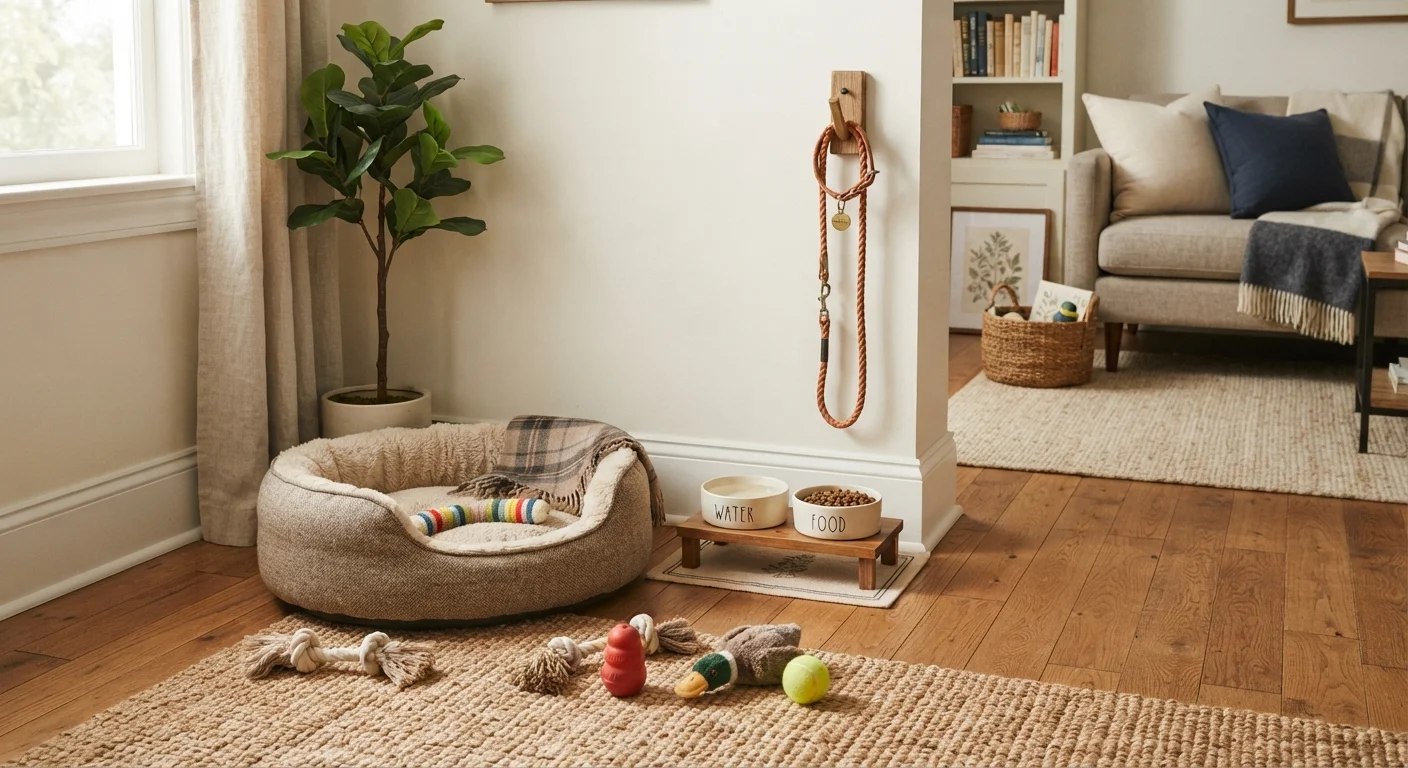
Photo: InsightsVilla.com | Quick Search. Right Info editorial
Key Takeaways
- Set up a safe, dedicated space for your pet before they arrive home.
- Register with a veterinarian before or immediately after pickup day.
- Stock species-appropriate food, water, and containment supplies in advance.
- Limit visitors and stimulation during your pet's first week to reduce stress.
- Identify household hazards and remove them before your pet explores freely.
Why Preparation Makes the Difference
Bringing a new pet home is one of the most rewarding experiences an animal lover can have - and one of the most easily derailed by poor preparation. Animals rely entirely on their environment and routine for a sense of safety. When their space is chaotic, supplies are missing, or the household is unprepared, stress behaviors like hiding, refusing food, or inappropriate elimination often follow.
This checklist is designed to walk you through every category of preparation: housing and containment, food and water, safety, and first-week priorities. Work through it before your pet arrives and you'll be set up for a calm, confident start. For a deeper look at what happens on and after pickup day, see our guide to bringing a pet home for the first time.
Housing and Containment
Food, Water, and Feeding Equipment
Safety and Pet-Proofing
Veterinary and ID Preparation
First-Week Routine Essentials
Tools and Resources You'll Want Ready
Before running through the checklist, gather the tools below. Having these on hand makes it easier to tick off every item with confidence rather than making last-minute runs to the store.
Appropriately sized crate or carrier
Provides a secure, den-like safe space for your pet during transport and the initial adjustment period.
Collar, harness, and leash
Essential for safe walks and outdoor time; needed before your pet ever leaves the home.
Species-appropriate food and bowls
Correct nutrition from day one prevents digestive issues and supports healthy adjustment.
Pet-safe cleaning spray
Needed for cleaning up accidents without exposing your pet to toxic chemical residues.
Baby gates or exercise pen
Limits your pet's access to the full home while they're still learning boundaries.
Enzymatic odor eliminator
Removes biological odors from accidents, discouraging repeat marking in the same spot.
Pet first-aid kit
Allows you to address minor injuries while arranging proper veterinary care.
First-Week Priorities: Setting the Right Tone
Supplies are only part of the picture. The decisions you make in your pet's first seven days shape their long-term behavior and comfort in your home. The single most important principle: less is more. Resist the urge to show your new pet to everyone right away. Quiet, predictable routines help animals feel secure far faster than social activity does.
Avoid Overwhelming Your Pet Early On
Keep interactions calm, let your pet approach you on their terms, and stick to consistent feeding times. If you're planning to add a second animal in the future, review what multi-pet households typically look like before moving forward. You can also explore our animal behavior hub to better understand why your new pet acts the way it does during the adjustment period.
Schedule That Vet Visit Before Problems Arise
For ongoing health and nutrition guidance beyond the first week, our Pet Health & Wellness hub is a practical resource to bookmark. And if you're introducing a new pet into a home with existing animals, the behaviorally grounded introduction steps in our companion article can help you avoid the most common pitfalls.
This article provides general educational information for new pet owners and is not a substitute for advice from a licensed veterinarian. Always consult a qualified vet for guidance specific to your pet's species, age, and health status.
The content on this site is for informational purposes only and is not a substitute for professional advice. Always consult a qualified professional for guidance specific to your situation.