
What Americans Actually Mean When They Say "Freedom"

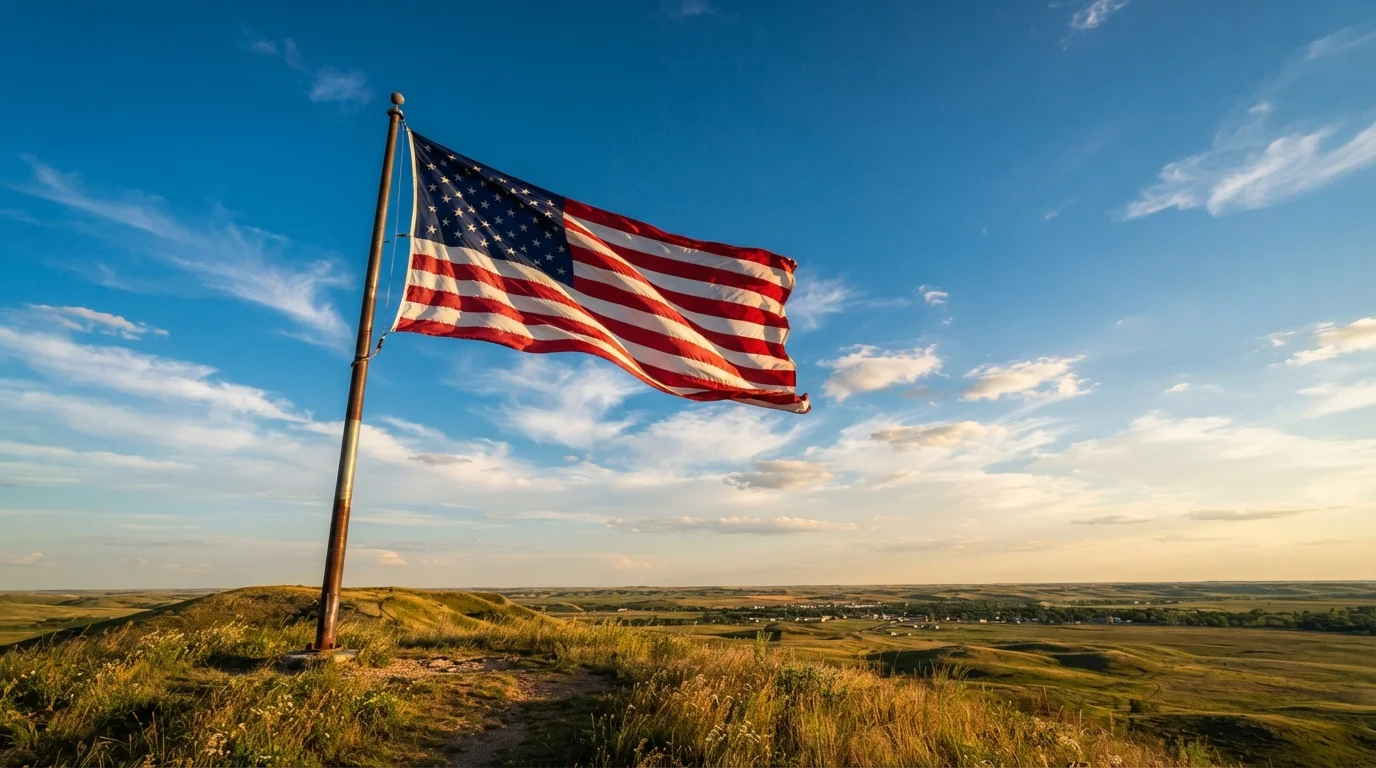
Photo: InsightsVilla.com | Quick Search. Right Info editorial
Key Takeaways
- "Freedom" in America carries both legal meaning and deep personal or emotional significance.
- Different political traditions emphasize different kinds of freedom - from government, or to participate fully in society.
- Historical context shapes who has felt free in America and who has not.
- The word is used across the political spectrum, often to support opposing positions.
- Understanding what someone means by "freedom" often requires knowing what they feel threatened by.
A Word That Holds a Lot of Weight
Ask ten Americans what "freedom" means and you may get ten genuinely different answers - not because they're confused, but because the word is doing a lot of work in American life. It appears in the national anthem, political rallies, church sermons, product slogans, and ordinary conversation. Few words carry more emotional charge, and few are deployed more strategically across the political spectrum.
That breadth isn't a bug - it's part of what makes "freedom" so persistently powerful. It connects to foundational documents like the Bill of Rights and the Declaration of Independence, while also expressing something personal: the feeling of not being told what to do, of charting your own course. Much like the American Dream, "freedom" takes many specific forms while pointing toward a shared aspiration.
72%
Americans who say freedom is very important to their identity
Pew Research Center surveys have consistently found that large majorities of Americans consider freedom central to national identity, though definitions vary.
Top 5
Most frequently invoked values in presidential speeches
Analyses of presidential inaugural addresses rank "freedom" and "liberty" among the most recurring themes across two centuries of American rhetoric.
2 traditions
Distinct concepts of liberty active in U.S. public debate
Political philosophers commonly identify negative liberty (freedom from constraint) and positive liberty (freedom to thrive) as the two frameworks competing in American policy debates.
Two Traditions of Freedom, Both Deeply American
Political theorists have long noted a distinction that Americans rarely name directly but argue about constantly. Negative freedom means freedom from something - government regulation, outside interference, coercion. Positive freedom means freedom to do something - access education, vote without obstruction, live free from poverty or discrimination.
Conservative and libertarian voices tend to emphasize the first: the government should get out of people's way, leave their wallets and choices alone. Progressive and civil rights traditions tend to emphasize the second: freedom requires active support - civil rights laws, public schools, healthcare access - so that everyone can actually participate in society.
Neither version is new. Both are woven into American history, which is precisely why the same word can appear on signs at opposite sides of a protest.
“The story of America is the story of expanding the definition of 'we the people' - of including more Americans in the promise of freedom.”
— Barack Obama, 44th President of the United States
Whose Freedom Has It Been?
Any honest account of freedom in America has to reckon with its uneven distribution. The ideals in the founding documents were written in an era when millions of people were enslaved, women couldn't vote, and Indigenous nations were being displaced. The distance between the promise and the reality has been the engine of nearly every major civil rights movement in American history.
For many Americans - particularly Black, Indigenous, and immigrant communities - "freedom" isn't abstract. It's personal and often unfinished. The civil rights era, the women's suffrage movement, and ongoing debates about immigration and voting rights all center on who gets to actually experience the freedoms the country promises on paper.
This history is part of why some assumptions about American culture don't hold up when examined closely - including the idea that freedom has ever meant the same thing to everyone.
Freedom as Feeling, Symbol, and Identity
Beyond politics and law, "freedom" functions as a cultural feeling - one tied to motion, space, and self-determination. It's no coincidence that the American road trip has become such a potent symbol: the open highway, no fixed destination, nobody telling you where to stop. That image of freedom is physical and emotional, not just legal.
Language itself reflects this. Americans use "freedom" and "liberty" in ways that blend constitutional meaning with everyday expression - "free country," "free time," "free to be yourself." As regional slang reveals, American English varies widely by place and community, and so does the emotional texture of the words we reach for most often.
Try Asking What Freedom Feels Threatened By
Understanding what a specific person means by "freedom" usually comes down to understanding what they feel threatened by. That empathy - listening for the fear or frustration underneath the word - is often the most useful tool for navigating one of America's most charged conversations.
Frequently Asked Questions
The content on this site is for informational purposes only and is not a substitute for professional advice. Always consult a qualified professional for guidance specific to your situation.