
The Cultural Meaning of the American Road Trip

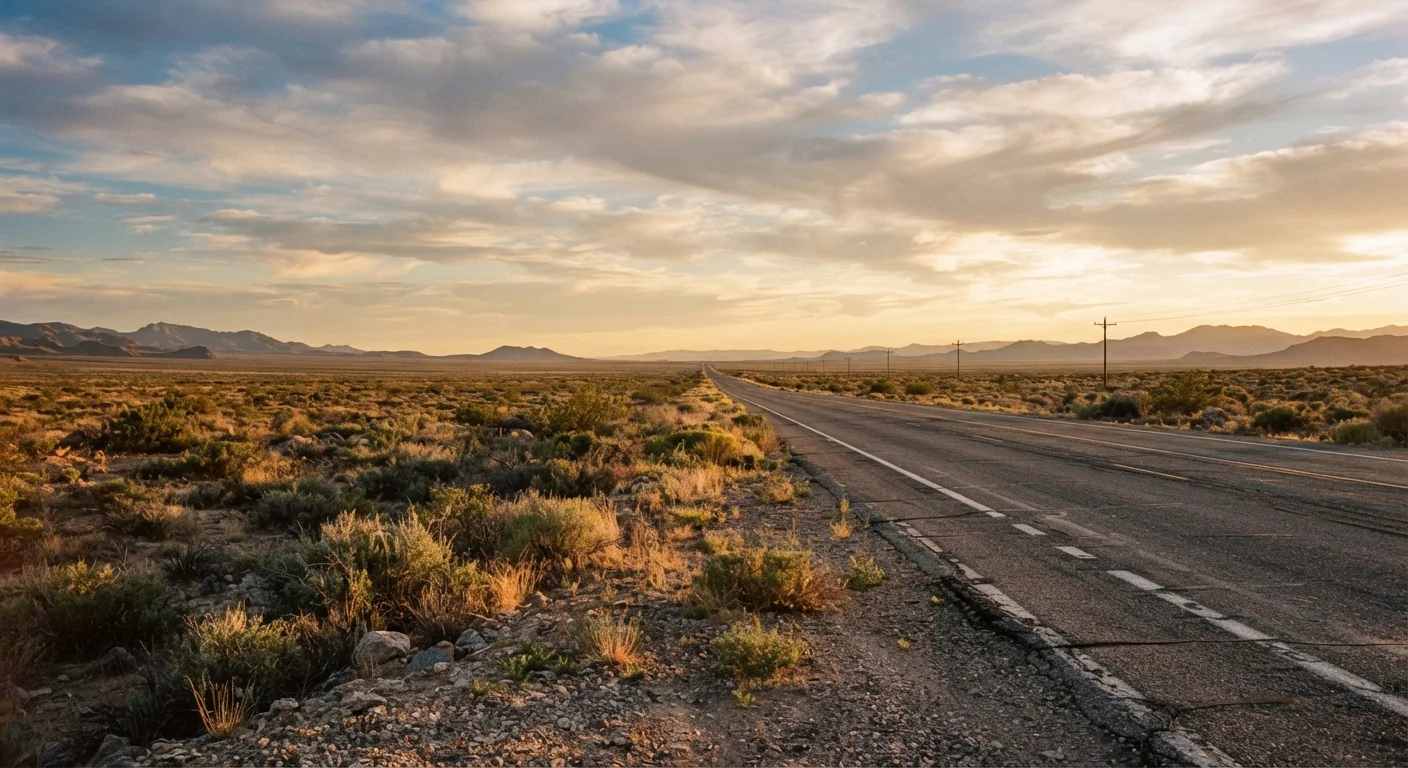
Photo: InsightsVilla.com | Quick Search. Right Info editorial
Key Takeaways
- The road trip is one of America's most recognized cultural rituals, rooted in the country's geography and mythology.
- It carries symbolic weight around freedom, self-discovery, and the promise of starting over.
- The Interstate Highway System, built from the 1950s onward, made the modern road trip possible for ordinary families.
- Road trips look different across generations, regions, and income levels - but the underlying appeal remains consistent.
- The ritual connects to broader American values around mobility and reinvention.
More Than Getting From A to B
Ask almost any American adult about a memorable road trip, and you'll likely get a story - not just about the destination, but about the drive itself. The stops at roadside diners. The argument over the playlist. The moment somewhere in the middle of nowhere when something about the landscape made everyone go quiet.
The road trip sits at the center of American cultural identity in a way that few other shared experiences do. It's both intensely personal and widely legible as a ritual. It shows up in literature, film, music, and family photo albums across generations. And unlike many cultural symbols, it's something millions of Americans actually do - not just celebrate in the abstract.
This piece looks at what the road trip actually means in American life: where that meaning came from, how it works, and what it says about the values that shape everyday American experience. It complements the kind of cultural analysis found in pieces like exploring the American Dream - because the road trip and the Dream are, at their core, about the same restless aspiration.
55%
Americans who prefer road trips for summer travel
A 2023 survey by AAA found that a majority of American travelers prefer road trips over flying for domestic leisure travel, citing flexibility and cost as key factors.
48,000+
Miles in the U.S. Interstate Highway System
The Interstate Highway System, authorized in 1956, spans over 48,000 miles and fundamentally shaped how Americans move - and vacation - across the country.
1 in 3
American families who take at least one road trip per year
Research from travel industry sources consistently finds that road trips remain among the most common forms of American family vacation, cutting across income levels.
The Mythology Behind the Miles
To understand why Americans attach so much meaning to driving across the country, you have to go back further than the car itself. The United States was built on a story of westward movement - the idea that there was always somewhere to go, always a frontier to cross. Even when that physical frontier closed, the psychological one didn't.
The automobile, which became widely accessible to middle-class Americans in the early-to-mid 20th century, gave that mythology a practical vehicle. Literally. When the Interstate Highway System began taking shape after 1956, it stitched together a continent and made the open road accessible in a new way. Suddenly, an ordinary family from Ohio could drive to Yellowstone. A young person could drive from Mississippi to California. The geography of possibility expanded for millions.
Writers and artists recognized the symbolic charge immediately. Works like Jack Kerouac's On the Road (1957) captured a particular version of that mythology - spontaneous, restless, searching - that lodged itself deep in American popular imagination. The road trip became shorthand for self-discovery, even when the actual trip was a minivan full of kids headed to Grandma's house.
“The road is life. Americans have always believed that something better is just around the next bend - the road trip is how that belief gets lived out in practice.”
— Karal Ann Marling, Cultural historian and author of works on American popular culture
What the Road Trip Actually Means Today
Modern road trips carry layers of meaning that aren't always in the brochure. At the surface, they're about seeing the country. But underneath, they tend to be about something else: a desire for slowness in a fast world, a search for connection - with family, a partner, old friends, or just yourself - and, often, a need to feel that the world is larger than whatever screen you've been staring at.
There's also the dimension of what Americans mean by freedom. The road trip enacts freedom in a very physical way: you choose when to stop, which route to take, how long to linger somewhere. That sense of control and optionality taps into something deep in the American value system, even when the trip is pretty thoroughly planned in advance.
It's worth noting that the road trip experience is not uniform across all Americans. Not every cultural ideal translates equally for everyone. Cost, geography, and - historically and still today - safety considerations for travelers from marginalized communities shape who can fully participate in the open-road mythology. The romance of the road has never been available in exactly the same way to everyone.
Road Trips Don't Have to Mean Long Distance
A Ritual That Keeps Reinventing Itself
What's remarkable about the road trip as a cultural form is how adaptable it is. It survives changing technology, shifting economics, and generational turnover. Today's version might involve GPS navigation, streaming playlists, and carefully researched pit stops shared on social media - but the underlying impulse is the same one that sent families onto Route 66 in the 1950s.
The road trip connects naturally to other threads in American social life: the tendency to move, to start over, to seek something over the next hill. As explored in why Americans move so often, geographic mobility is baked into how Americans think about personal progress. The road trip is, in many ways, that impulse in its most distilled and celebratory form.
Like the American potluck, the road trip is a social institution hiding in plain sight - so familiar it can seem ordinary, but layered with meaning about community, identity, and what it feels like to belong to this particular country. That's what makes it worth paying attention to.
Frequently Asked Questions
The content on this site is for informational purposes only and is not a substitute for professional advice. Always consult a qualified professional for guidance specific to your situation.