
The Social Life of the American Lawn

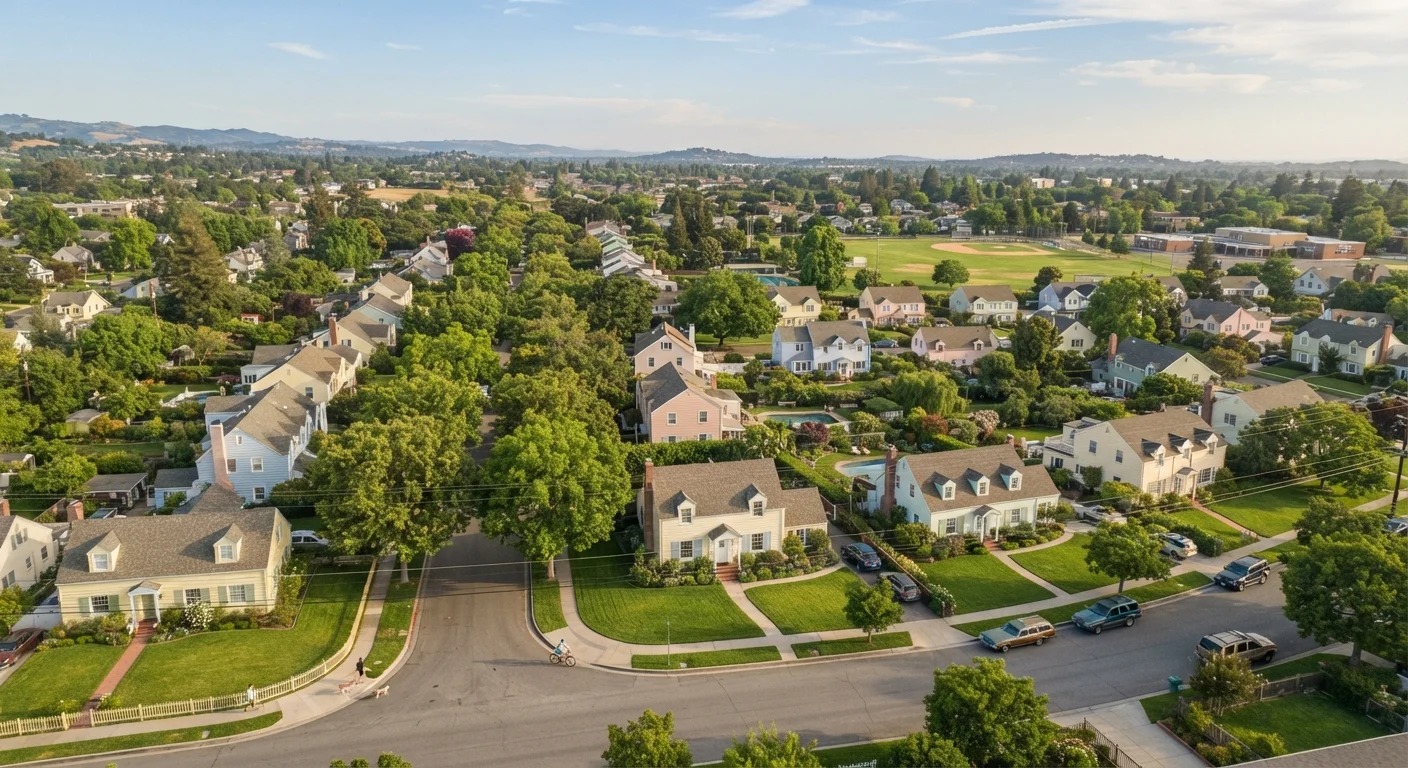
Photo: InsightsVilla.com | Quick Search. Right Info editorial
Key Takeaways
- The American lawn became a cultural norm largely through postwar suburban development and mass car ownership.
- Lawn care is deeply tied to social conformity - many neighborhoods have explicit or unspoken expectations about upkeep.
- The environmental cost of lawn maintenance is significant, including water use, fertilizer runoff, and gas-powered mower emissions.
- Alternatives like native plant gardens and xeriscaping are gaining acceptance but still face social and legal resistance in some communities.
- How we relate to our lawns reflects broader American values around property, privacy, and community belonging.
Where the Lawn Came From
The manicured front lawn is so familiar it feels timeless - but it's actually a fairly recent invention. In pre-industrial America, most homes had functional outdoor spaces: kitchen gardens, dirt yards, or working land. The decorative grass lawn was largely a luxury of the wealthy, inspired by the grand English estates that well-traveled Americans admired.
Everything changed after World War II. The GI Bill fueled a massive migration to newly built suburbs, and developers like William Levitt standardized the look of American neighborhoods - including the expectation that each home would have a tidy green lawn out front. Lawn mower production surged, grass seed became widely available, and the cultural script was set: a good home had a good lawn.
Car culture reinforced it. As more Americans drove past each other's homes rather than walking by, the front yard became a kind of public display - the first thing a neighbor or visitor would see. Keeping it neat became a social signal, not just a habit. As explored in how suburban life shapes daily rhythms, where you live in America shapes how you present yourself to the world in ways that go far deeper than geography.
The Social Rules Nobody Wrote Down
Most neighborhoods don't have a formal rulebook for lawn behavior - yet unspoken norms are powerful. Letting grass grow too long, leaving leaves piled at the curb in spring, or replacing turf with gravel can draw side-eye from neighbors or even an anonymous note on the door. In communities with homeowners associations (HOAs), those expectations become explicit and enforceable.
This social pressure around lawn care is a form of what sociologists call community norm enforcement - the way neighbors signal shared values through property appearance. A well-kept lawn says: I'm invested here. I belong. A neglected one can read as disengagement or decline, regardless of the actual circumstances behind it.
“The lawn is a form of television - it's what you show the outside world. And what you show tells people what kind of neighbor you intend to be.”
— Michael Pollan, Author and journalist known for writing on American culture and nature
That dynamic connects to something broader about American communal life. Just as a potluck dinner signals participation in the social fabric, a tended lawn is a kind of ongoing contribution to neighborhood identity - visible, repeated, and quietly noticed.
The Environmental Reckoning
The same lawn that signals community belonging carries a significant environmental footprint. Gas-powered lawn mowers produce notable air pollution per hour of operation. Fertilizers and pesticides run off into local waterways. And in drought-prone regions, keeping grass green through summer can strain local water supplies considerably.
~40M
Acres of turf grass in the United States
According to NASA-funded research published in Environmental Management, turf grass covers more American land than any irrigated crop.
~30%
Share of household water used outdoors
The U.S. Environmental Protection Agency estimates roughly 30% of household water goes to outdoor use, much of it lawn irrigation - rising to 60%+ in drier states.
60%+
Outdoor water share in western U.S. states
In drought-affected states across the American West, lawn and garden irrigation can account for the majority of a household's total water consumption in summer.
These pressures are prompting a genuine rethinking of what the ideal yard looks like. Native plant gardens, clover lawns, pollinator meadows, and xeriscaping (water-efficient landscaping) are gaining popularity - particularly among younger homeowners and in western states where water scarcity is acute.
But change is uneven. Some HOAs still prohibit or restrict these alternatives, and community pushback against "unconventional" yards remains common in many neighborhoods. The lawn, it turns out, isn't just about grass - it's about what a community has agreed to value.
Thinking About Changing Your Yard?
What the Lawn Says About Us
Strip away the grass and the riding mower, and the American lawn is really a story about belonging, identity, and the tension between individual preference and collective expectation. It sits at the intersection of private property and public space - technically yours, but unmistakably visible to everyone around you.
That tension shows up in common assumptions about American culture too. We tend to think of Americans as fiercely individualistic, but lawn culture reveals the quieter conformist pressure that runs alongside that myth. Neighbors police each other's grass heights because we genuinely care about shared spaces - and about what those spaces say about our communities.
Like Friday night football in small-town America, the lawn is less about the thing itself and more about the shared values it represents. As those values evolve - toward sustainability, individuality, or climate awareness - the American lawn will keep changing with them. It always has.
Frequently Asked Questions
The content on this site is for informational purposes only and is not a substitute for professional advice. Always consult a qualified professional for guidance specific to your situation.