
The Macronutrients Explained: Carbs, Protein, and Fat in Plain Terms

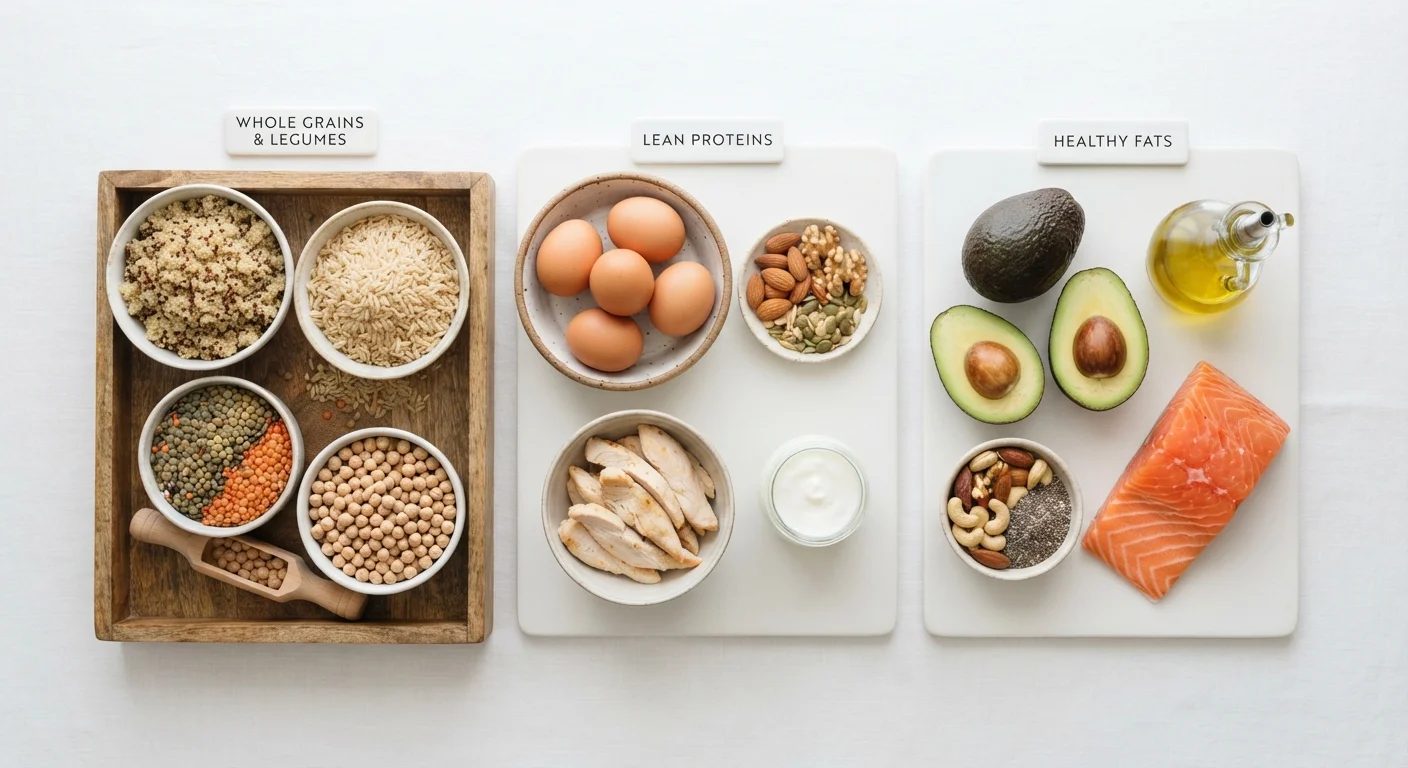
Photo: InsightsVilla.com | Quick Search. Right Info editorial
Key Takeaways
- Carbohydrates are the body's preferred energy source, especially for brain function.
- Protein is essential for muscle repair, immune function, and producing enzymes and hormones.
- Dietary fat supports cell structure, hormone production, and absorption of fat-soluble vitamins.
- Eliminating any macronutrient entirely can create nutritional gaps and is rarely sustainable.
- Balance and food quality matter more than precisely tracking every gram for most people.
Carbohydrates: Your Body's First Choice for Fuel
Carbohydrates often get a bad reputation, but they are the nutrient your body reaches for first when it needs energy. When you eat carbs - whether from bread, fruit, beans, or vegetables - your digestive system breaks them down into glucose, which circulates in the bloodstream and powers everything from walking to thinking. Your brain, in particular, runs almost exclusively on glucose under normal conditions.
Not all carbohydrates behave the same way. Simple carbohydrates, found in table sugar and many processed snacks, digest quickly and can cause rapid spikes in blood sugar. Complex carbohydrates, found in whole grains, legumes, and most vegetables, digest more slowly and come packaged with fiber - which supports digestive health and promotes a steadier energy release.
Fiber is technically a carbohydrate, but your body can't fully digest it, so it doesn't contribute meaningfully to calorie intake. It does, however, feed beneficial gut bacteria, help manage cholesterol levels, and contribute to feelings of fullness. The persistent myth that carbs are categorically fattening is addressed in depth at our guide to popular nutrition myths.
Choosing Carbs With More Nutritional Value
Protein: Builder, Repairer, and Regulator
Protein is often associated with muscle, and that connection is well-founded - but its role extends far beyond the gym. Every cell in your body contains protein. It forms the structural scaffolding of tissues, creates enzymes that drive chemical reactions, produces hormones that regulate bodily processes, and supports immune function by building antibodies.
Proteins are made up of smaller units called amino acids. Of the 20 amino acids the body uses, nine are considered "essential" - meaning your body cannot make them and must get them from food. Animal proteins (meat, fish, eggs, dairy) tend to contain all nine essential amino acids, earning them the label "complete proteins." Many plant proteins lack one or more, though combining foods like rice and beans over the course of a day provides the full spectrum.
9
Essential amino acids humans must get from food
According to the National Institutes of Health, these nine amino acids cannot be synthesized by the body and must come from dietary sources.
4 kcal/g
Energy provided per gram of protein or carbohydrate
This is a standard figure used in nutritional science and by regulatory bodies including the FDA for food labeling purposes.
Protein also plays a meaningful role in satiety - it tends to be more filling per calorie than carbs or fat, which is one reason higher-protein eating patterns are associated with reduced hunger in many studies. For deeper context on how nutrition research is conducted and interpreted, see where nutrition science gets genuinely complicated.
Fat: Essential, Not the Enemy
Dietary fat spent decades at the center of public health debates, and the overcorrection - replacing fat with refined carbohydrates in many "low-fat" products - is now widely recognized as a misstep. Fat is essential for life. It forms the outer membrane of every cell in your body, allows your nervous system to function, and is required for the absorption of fat-soluble vitamins (A, D, E, and K).
Fat also supports hormone production. Several key hormones, including sex hormones like estrogen and testosterone, are synthesized from cholesterol - a type of fat. Without adequate dietary fat, these systems can be compromised.
Fats are broadly categorized by their chemical structure:
- Unsaturated fats (found in olive oil, avocados, nuts, and fish) are generally associated with positive cardiovascular markers in research.
- Saturated fats (found in red meat and full-fat dairy) are subjects of ongoing scientific debate - current consensus suggests moderate consumption is reasonable for most people.
- Trans fats (artificially produced through hydrogenation) are associated with negative health outcomes; most countries, including the U.S., have substantially restricted their use in food production.
The "Low-Fat" Era and What Replaced Fat
For a broader look at how macronutrients work together as a system, macronutrients explained offers a complementary overview.
This article is for general informational purposes only and does not constitute medical or dietary advice. Consult a qualified healthcare professional or registered dietitian for guidance specific to your health needs.
Frequently Asked Questions
The content on this site is for informational purposes only and is not a substitute for professional advice. Always consult a qualified professional for guidance specific to your situation.